
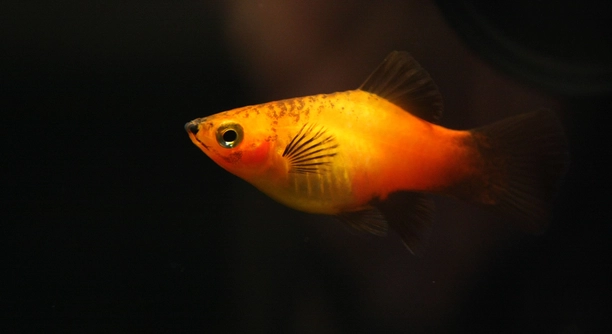
Platies are popular freshwater fish known for their vibrant colors and peaceful nature. Many aquarists enjoy watching them swim around the tank. However, sometimes platies avoid areas with bubbles, which can be puzzling for owners.
Platies may avoid bubbles due to factors like water flow stress, oxygen levels, temperature changes, or irritation caused by the bubbles themselves. These environmental and behavioral reasons influence their preference to stay away from bubbled areas.
Understanding why platies behave this way can help improve their tank conditions. Knowing these reasons ensures your fish remain comfortable and healthy in their environment.
Water Flow Stress
Strong water flow created by bubbles can make platies uncomfortable. These fish prefer gentle currents, so when bubbles stir the water too much, platies may feel stressed. The constant movement forces them to swim harder to maintain their position, which can tire them out. This added effort can cause the fish to avoid bubbly areas and seek calmer spots. Over time, persistent stress may affect their health and behavior. Aquarists should consider adjusting the bubble output or repositioning air stones to create a more suitable environment. Maintaining a gentle water flow allows platies to swim naturally without feeling overwhelmed. Observing their reactions to different flow levels helps determine the best setup for the tank. In addition to bubbles, other factors like tank size and filtration can influence water movement. Ensuring balance between oxygenation and comfort is key to keeping platies happy and active in their habitat.
Bubbles create water movement that can tire platies and lead them to avoid those areas.
Adjusting air stones and flow intensity helps platies stay comfortable. Testing different setups can improve their tank environment and reduce stress. It’s important to find the right balance between oxygen circulation and gentle currents to promote healthy swimming behavior. Monitoring platies’ reactions to these changes supports their well-being and prevents unnecessary strain.
Oxygen Levels and Bubble Production
Bubbles increase oxygen levels by circulating water and promoting gas exchange at the surface. While oxygen is vital for platies’ survival, too many bubbles can disturb the water surface and create turbulence. This turbulence may cause the fish to avoid bubbled areas, preferring calmer parts of the tank. Oxygen-rich water supports healthy metabolism and overall activity in platies, but excessive bubbling may counteract these benefits by disrupting their preferred environment. Careful control of bubble production ensures sufficient oxygen without causing discomfort. In addition to bubbles, plants and filtration also contribute to oxygen balance. Maintaining clean water and proper aeration helps platies thrive. Monitoring oxygen levels with test kits can guide adjustments to bubble output. Providing a stable environment with adequate oxygen and minimal disturbance encourages natural behavior and reduces stress in platies.
Temperature Fluctuations
Bubbles can cause small changes in water temperature. These changes might make platies uncomfortable and cause them to avoid bubbly areas.
Even slight shifts in temperature from the bubbles can stress platies. These fish prefer stable, warm water around 72-78°F (22-26°C). If bubbles introduce cooler water or uneven warmth, platies may swim away to maintain comfort. Sudden changes can disrupt their metabolism and immune system. Keeping the tank temperature steady helps reduce stress. Using a reliable heater and positioning bubbles away from sensitive spots supports a balanced environment. Regular monitoring ensures temperature stays within the ideal range for platies’ health and activity.
Temperature changes caused by bubbles can be subtle but impactful. These fluctuations interfere with the stable conditions platies need. Controlling bubble placement and adjusting heater settings helps keep water temperature even. Consistent warmth promotes better swimming, feeding, and overall wellbeing in platies, making them less likely to avoid bubbled zones.
Irritation from Bubbles and Air Stones
Some platies may find bubbles or air stones irritating to their skin or gills. Continuous bubbling can cause discomfort or minor injury, leading them to avoid those areas.
The bubbles produce a constant stream of tiny water currents that might irritate delicate fins and gills. If the air stones release bubbles too forcefully, this can cause physical stress or make platies feel vulnerable. Sensitive fish may hide or move to quieter spots without bubbles. Adjusting bubble intensity or using finer air stones can reduce irritation. Placing air stones where currents are less direct also helps. Regular observation ensures that bubbling equipment is not causing harm, supporting platies’ comfort and health.
Reducing strong bubbling and using softer bubble sources improves platies’ tank experience. Proper bubble diffusion prevents irritation and encourages normal behavior. This creates a calmer environment, helping platies thrive without avoiding parts of the aquarium.
Tank Size and Space
Small tanks with too many bubbles can overwhelm platies. Limited space makes it harder for them to avoid bubbly areas.
Larger tanks offer more room for platies to swim freely and choose calmer zones. Space influences how much they tolerate bubbles.
Noise and Vibrations
Air pumps and bubbling equipment create noise and vibrations that may disturb platies. These sounds can make the fish anxious and lead them to avoid the source. Reducing pump noise or placing equipment on soft surfaces helps lower vibrations and creates a quieter environment. This promotes a calm tank where platies feel safe to swim and explore without stress.
Presence of Other Fish
Other fish in the tank can affect where platies feel comfortable. Aggressive or active species might push platies away from bubbled areas, forcing them into calmer spots.
Why do platies avoid bubbles in their tank?
Platies often avoid bubbles because the water movement created can stress them. Strong currents make it harder for these small fish to swim comfortably. Also, bubbles can cause minor irritation to their fins and gills. If the bubbling is too vigorous, platies may seek calmer areas where the water is still.
Can too many bubbles harm my platies?
Yes, excessive bubbling can cause stress and discomfort. It may lead to damaged fins or irritated gills from constant water movement. Stress weakens their immune system, making them more vulnerable to diseases. Keeping bubble levels moderate helps maintain a healthier, more peaceful environment.
How can I adjust bubbles to make platies more comfortable?
You can reduce bubble intensity by using an adjustable air pump or placing the air stones in less central locations. Using diffusers or finer bubble stones creates gentler bubbles. Another option is to add plants or decorations that break up strong currents, providing hiding spots for the fish.
Are bubbles necessary in a platy tank?
Bubbles help increase oxygen levels, which is important for fish health. However, too many bubbles or strong currents can be counterproductive. It’s about balance — ensuring oxygenation without creating stress. Plants and proper filtration also contribute to good oxygen levels, reducing the need for excessive bubbling.
What other signs show my platies are stressed?
Besides avoiding bubbles, stressed platies may hide more than usual, stop eating, or show rapid breathing. Their colors might fade, and they may swim erratically or stay near the surface or bottom of the tank. Noticing these signs early helps you adjust tank conditions quickly.
Can tank size affect how platies react to bubbles?
Yes, smaller tanks with many bubbles can overwhelm platies since they have less space to escape strong currents. Larger tanks give them more room to swim away from bubbles. If you have a small tank, consider reducing bubble output or adding plants for shelter.
Do platies prefer a certain water temperature in relation to bubbles?
Platies prefer stable temperatures between 72-78°F (22-26°C). Bubbles can cause slight temperature fluctuations, which might bother them. Keeping the temperature steady with a reliable heater reduces stress and helps them tolerate gentle bubbling better.
Could other fish in the tank influence platies’ behavior around bubbles?
Yes, more active or aggressive fish might push platies into bubbled areas or force them to hide. This can increase their stress and avoidance behaviors. Creating enough space and hiding spots helps all fish coexist peacefully, reducing platies’ need to avoid certain parts of the tank.
How often should I check my bubbling equipment?
Regular checks are important. Air stones can clog, and pumps can wear out, leading to uneven bubbles or stronger currents. Cleaning equipment every few weeks and replacing parts as needed keeps the bubble flow steady and gentle, improving comfort for your platies.
Are there alternatives to air stones for oxygenating a platy tank?
Yes, live plants produce oxygen naturally and improve water quality. A good filtration system also helps aerate water without strong bubbles. Using these methods reduces reliance on bubbling equipment, creating a more natural and less stressful environment for platies.
Understanding why platies might avoid bubbles in the tank helps improve their living conditions. These fish prefer calm water without strong currents, so bubbles can sometimes make their environment uncomfortable. Stress from too much water movement or irritation from bubbles may cause platies to swim away or hide. By recognizing these signs, aquarists can adjust the tank setup to better suit their needs and keep them healthy.
Creating a balanced environment is key. Reducing bubble intensity, repositioning air stones, or using finer diffusers can help lessen water movement. It is also important to maintain stable water temperature and good oxygen levels without overwhelming the fish. Adding live plants or decorations can provide hiding places and break up currents. Monitoring platies’ behavior regularly gives insight into their comfort, allowing timely adjustments to the tank conditions.
Overall, small changes can make a big difference in the wellbeing of platies. Avoiding excessive bubbling and providing calm spaces encourages natural behavior and reduces stress. Keeping water quality high and maintaining proper tank size also supports their health. With proper care, platies can thrive and show their bright colors, bringing life and beauty to the aquarium.

Hello,
If you enjoy the content that we create, please consider saying a "Thank You!" by leaving a tip.
Every little bit helps us continue crafting quality advice that supports the health, happiness, and well-being of pets around the world, for pets of all shapes, sizes, and species.
We really appreciate the kindness and support that you show us!