
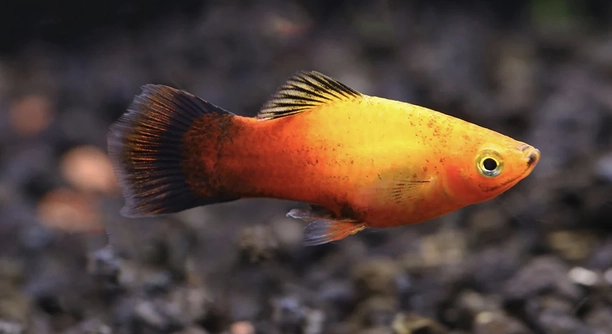
Is your platy spending more time away from the tank filter than usual, hovering in quieter corners or near the bottom? Watching this change in behavior can be concerning for any fish owner trying to maintain a healthy aquarium.
Platies often avoid tank filters due to strong water currents or loud vibrations, which can cause stress. In some cases, an improperly maintained filter may also release harmful substances or reduce water quality, prompting the fish to keep their distance.
Understanding what causes this behavior can help you adjust your tank setup and create a more comfortable environment for your platy.
Common Reasons Your Platy Is Avoiding the Filter
Tank filters can create strong currents that are too powerful for platies. These fish prefer gentle water flow, and if the current is pushing them around, they may seek calmer areas in the tank. Vibrations or noise from the filter can also disturb them, especially if the unit is old, unbalanced, or not suited to your tank size. Another possible reason is poor water quality due to an unclean filter. When filters aren’t cleaned regularly, debris and waste can build up, releasing substances that irritate fish or reduce oxygen levels. Platies are sensitive to changes in their environment, so even minor imbalances may lead them to avoid the filter. It’s also possible they’re simply adjusting to a new setup or reacting to nearby tank mates. Observing their behavior closely can help you identify what needs adjusting without causing unnecessary stress.
A sudden change in behavior often points to something that has shifted inside the tank.
If your platy is constantly staying away from the filter, check the current strength first. You can try redirecting the output with a sponge or decoration to soften the flow. Consider replacing the filter if it’s outdated or noisy, as constant vibrations can cause long-term stress. Always make sure the filter is clean but not over-cleaned, as removing too much beneficial bacteria can disrupt the water balance. Check for ammonia, nitrite, and nitrate levels with a test kit. High readings can signal that your filter isn’t working effectively. It’s also helpful to watch how your platy interacts with tank mates. If other fish are chasing it near the filter, that could be part of the problem. Rearranging the tank layout can give your platy more options for shelter and help it feel secure. Making small adjustments can often create a noticeable improvement in your fish’s comfort.
What to Watch for Moving Forward
Platies may show other signs of stress if the filter issue isn’t fixed quickly.
Keep an eye out for clamped fins, rapid gill movement, or staying in one spot for long periods. These can indicate ongoing discomfort or poor water quality. If ignored, the stress can weaken their immune system and lead to illness. A good routine is to monitor your tank weekly and do water changes as needed. Test the water regularly and note any shifts in behavior. Platies are usually active and social, so a change in their patterns should not be overlooked. Try to maintain a calm, steady environment with minimal disruptions. Avoid sudden temperature changes and overfeeding, as these can also create stress. If your platy returns to swimming near the filter after your changes, that’s a strong sign you’ve addressed the issue. Creating a stable setup helps your platy feel more at ease and supports its long-term health.
How to Adjust the Tank Environment
A strong filter current can push your platy around, making it uncomfortable. You can reduce the flow by adding a sponge over the filter outlet or placing decorations to break up the water movement without stopping filtration.
Make sure the tank isn’t too crowded. Too many fish or decorations can make it harder for your platy to find a peaceful area. A clean, open space with plants or rocks can give your fish a place to rest away from the current. Keep the water temperature stable, ideally between 72°F and 78°F. Fluctuations can also affect your platy’s behavior. Check the filter’s noise level too. If it’s vibrating loudly or making clicking sounds, it might be time to replace or reposition it. Small changes like these can create a more comfortable space and help your platy feel safe and relaxed in its home.
Make sure the filter is suited for your tank size. Filters that are too powerful for smaller aquariums often create an intense flow that smaller fish like platies struggle with. Look for adjustable filters or models designed for gentle flow. If your filter has settings, use the lowest one that still keeps the tank clean. Consider using live plants to help with water quality and reduce stress. Plants also help block the current naturally. Don’t forget to clean your filter media as recommended, but always rinse it in tank water, not tap water, to keep helpful bacteria intact. Also, avoid moving the tank or changing too much at once—platies do best with consistency.
When to Consider Other Causes
Sometimes, platies avoid the filter not because of the current but due to poor water quality or illness. It’s important to look at all the tank conditions to rule out anything else that might be bothering your fish.
Start by checking water parameters with a reliable test kit. High ammonia or nitrites can make any area of the tank feel unsafe, especially near the filter where waste collects. If your platy has ragged fins, cloudy eyes, or is breathing heavily, illness could be the cause. Bacterial infections, parasites, or stress from aggressive tank mates might all play a role. Make sure other fish aren’t bullying your platy when it nears the filter. Use a hospital tank if needed for treatment. In some cases, the issue might not be the filter at all but how your platy feels overall in the tank. Being observant helps you make changes that matter.
Tips for Creating a Calmer Space
Use tall plants or decorations to block strong currents without stopping water flow. This gives your platy gentle areas to swim and rest, which can reduce stress and improve comfort around the filter.
Choose tank mates that are peaceful and won’t chase or nip at your platy. Aggressive fish can make the filter area feel unsafe, especially if it’s already loud or has a strong current.
Signs Your Adjustments Are Working
If your platy begins swimming near the filter again, shows more interest in exploring the tank, or returns to eating normally, these are all good signs. Clear fins, normal breathing, and steady movement also show improved comfort. Pay attention to small changes. Even a slight shift in behavior or increased activity around the tank can mean your platy feels safer. Reduced hiding and a balanced swimming pattern are helpful signals that the water flow, quality, and tank environment are working better. Keep monitoring things regularly to ensure stability. Sometimes it takes a little time for fish to fully readjust and settle back in.
When to Get a Second Opinion
If nothing seems to improve after changes, consider reaching out to a vet who specializes in fish. Persistent issues could mean something deeper is going on.
FAQ
Why does my platy hide near the filter instead of avoiding it?
Sometimes platies hide near the filter because it offers a place to hide. The structure of the filter or nearby decorations can create shade or shelter. If the current is gentle, the area around the filter might feel safe and calm. This behavior is different from avoiding the filter because the fish uses that spot for protection or rest.
Can a noisy filter harm my platy?
Yes, a noisy filter can stress platies. Fish are sensitive to vibrations and sounds outside the normal tank environment. Loud humming or clicking noises can make your platy uncomfortable and cause it to stay away from the filter or hide more than usual. Replacing or repositioning the filter can often reduce noise and improve your fish’s comfort.
How often should I clean my tank filter?
Cleaning frequency depends on your tank size and fish load but usually every 2 to 4 weeks is best. Cleaning too often can remove helpful bacteria, while cleaning too rarely allows waste buildup. When cleaning, rinse filter media gently in tank water to protect the beneficial bacteria that keep your water healthy.
Is it normal for platies to avoid the filter sometimes?
Yes, it’s normal for platies to avoid strong currents or noisy filters occasionally. They seek calmer spots where they feel less stressed. However, if avoidance lasts a long time or is combined with other signs like not eating or hiding constantly, it may indicate a problem with water quality, tank setup, or health.
Can water temperature affect my platy’s behavior near the filter?
Water temperature affects platy activity and comfort. Temperatures below 72°F or above 78°F can stress them and change where they swim in the tank. Sudden temperature shifts may make platies avoid certain areas, including near the filter. Keeping the temperature stable helps maintain normal behavior.
How do I reduce the filter current for my platy?
You can reduce the filter current by placing a sponge or foam cover over the outlet or redirecting the flow using decorations. Some filters have adjustable flow settings—use the lowest setting that still keeps the water clean. Live plants also help slow down water movement naturally.
What should I do if my platy shows signs of illness?
If your platy has ragged fins, clamped fins, heavy breathing, or stops eating, test the water quality first. Poor water conditions often cause illness. If water parameters are normal, isolate the fish in a hospital tank and consult a vet or aquatic specialist for diagnosis and treatment.
Are aggressive tank mates a reason for filter avoidance?
Yes, aggressive fish can cause stress and force your platy to avoid the filter area if that’s where chasing or bullying happens. Rearranging the tank to provide more hiding spots or separating aggressive fish can help your platy feel safer near the filter.
Can adding plants improve my platy’s comfort near the filter?
Plants create natural barriers that soften water flow and reduce strong currents near the filter. They also add hiding places, improve oxygen levels, and promote better water quality. Adding live plants is a simple way to make the tank more comfortable for your platy.
How long does it take for a platy to get used to changes near the filter?
Adjustment time varies, but platies usually take a few days to a week to settle after changes. If the environment improves, you’ll notice your platy swimming more confidently near the filter and acting more active. Patience and steady conditions are key to helping them adapt.
When a platy avoids the tank filter, it usually signals that something about the environment is uncomfortable for the fish. This can be related to water flow, noise, water quality, or even stress caused by other fish. Understanding the reasons behind this behavior helps you make better choices for your tank setup. Making simple adjustments, like reducing the filter flow or adding plants for shelter, often improves your platy’s comfort. Paying attention to their behavior regularly is important because fish communicate a lot through their actions. Avoidance is one way they show something isn’t right.
Keeping a stable and healthy environment is key to making your platy feel secure near the filter and throughout the tank. This means monitoring water temperature, cleaning the filter carefully without disturbing helpful bacteria, and testing water quality regularly. It also means choosing tank mates wisely, ensuring the tank is not overcrowded, and arranging decorations to provide calm spaces. Small changes can make a big difference in your platy’s happiness and health. Remember that platies prefer gentle currents and quiet surroundings, so try to minimize any strong water movement or loud noises.
If your platy continues to avoid the filter despite these efforts, it may be a sign of a health issue or an ongoing water problem. Watch for other signs of stress or illness like loss of appetite, clamped fins, or heavy breathing. In those cases, consulting a fish expert or vet can help you find the right solution. Overall, paying close attention and being patient while making thoughtful adjustments will create a better home for your platy. This helps ensure your fish stay healthy, active, and comfortable in their tank.

Hello,
If you enjoy the content that we create, please consider saying a "Thank You!" by leaving a tip.
Every little bit helps us continue crafting quality advice that supports the health, happiness, and well-being of pets around the world, for pets of all shapes, sizes, and species.
We really appreciate the kindness and support that you show us!