
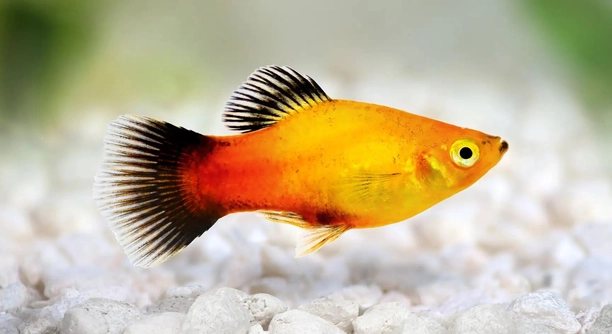
Platies are popular freshwater fish known for their bright colors and peaceful nature. Many aquarium owners enjoy watching their playful swimming patterns. However, it’s common to notice platies sometimes swim directly into decorations in the tank.
Platies swimming straight into decorations usually happen because of factors like poor vision, stress, unfamiliar environments, or health issues. These factors affect their ability to navigate, causing them to bump into objects while exploring their space.
Understanding why platies behave this way can help you improve their tank conditions and overall well-being. This article explains the main reasons behind this curious behavior.
Poor Vision or Blind Spots
Platies rely heavily on their eyesight to move around safely in their tanks. Sometimes, their vision isn’t perfect, especially if the water is cloudy or lighting is too dim. Decorations with sharp or bright edges can confuse them, making it hard to judge distances. This can cause them to swim straight into objects without realizing it. In some cases, genetic factors or age may reduce their visual clarity, increasing the chance of collisions. Poor vision can also be linked to eye infections or injuries, which make it difficult for platies to see their surroundings clearly. Ensuring clean water and adequate lighting helps improve their ability to navigate. Keeping the tank well-maintained reduces stress on their eyes, preventing accidents with decorations. Providing simple decorations with smooth edges can also lower the risk of injury from bumps.
Platies with impaired vision tend to be more cautious but still may swim into objects unexpectedly. It’s important to check water quality regularly to support their health.
Clear water and soft lighting allow platies to move safely. Adjusting the tank environment can reduce accidents and improve their comfort while swimming around decorations.
Stress and Anxiety
Platies often react to stress by swimming erratically, which increases the chances of running into decorations. Stress can come from sudden changes in water temperature, poor water quality, overcrowding, or aggressive tank mates. When they feel threatened or uncomfortable, their movement becomes less controlled, making collisions more frequent. Stress also weakens their immune system, which may lead to other health problems. By keeping stable water conditions and avoiding overstocking, stress levels in platies can be minimized. Introducing new fish slowly and choosing peaceful companions helps create a calm environment. Decorations placed thoughtfully to allow easy swimming paths also reduce stress by giving platies enough room to move freely. Regular observation helps catch signs of stress early, allowing prompt action to improve their well-being. Managing stress leads to healthier, calmer fish that explore their tanks more safely.
Unfamiliar Environment
Platies may swim into decorations when they are new to a tank. They need time to learn their surroundings and recognize safe spaces. Without this, they can accidentally bump into objects while exploring.
New tank setups can be overwhelming for platies. Decorations, plants, and other fish all create a complex space they must get used to. Until they become comfortable, their swimming may be less controlled. This phase usually lasts a few days to a week. Offering hiding spots and keeping the environment stable helps them adjust faster. Watching their behavior during this period is important to ensure they aren’t hurt by collisions. Gradual introduction of decorations instead of placing everything at once can reduce confusion and accidents.
Over time, platies become familiar with their tank layout and learn to avoid decorations. Their swimming becomes smoother and more confident as they gain experience and feel secure in their environment.
Health Issues
Physical problems like swim bladder disease can affect a platy’s movement, causing it to swim awkwardly and bump into objects. This condition impacts balance and buoyancy control. Illnesses or injuries can also reduce their coordination and speed.
Swim bladder problems cause fish to float unevenly or struggle to stay upright. This leads to difficulty maneuvering around the tank, increasing the chance of collisions. Other issues like fin damage or parasites may weaken swimming ability. Sick platies often isolate themselves and show less interest in food or activity. Early detection and treatment improve recovery chances. Regular water changes and proper diet support overall health. Watching for unusual swimming patterns helps catch problems early before they worsen. Consulting a vet or experienced aquarist is recommended if health concerns arise.
Keeping a clean, stable environment and monitoring fish behavior closely helps maintain platies’ health and reduces the likelihood of injury from swimming into decorations.
Tank Size and Layout
A small or overcrowded tank limits the swimming space for platies. Tight spaces increase the chances of bumping into decorations.
Poor tank layout with sharp corners or cluttered areas can confuse platies and cause collisions.
Lighting Conditions
Bright or flickering lights can disorient platies. Sudden changes in lighting may cause them to swim erratically and hit decorations. Soft, stable lighting helps platies feel secure and swim more smoothly, reducing accidental bumps.
Natural Behavior and Curiosity
Platies are naturally curious fish. They explore their surroundings actively, which sometimes leads them to swim straight into objects while investigating. This behavior is part of their normal interaction with their environment. Providing enough open space and gentle decorations allows platies to satisfy their curiosity safely without frequent collisions.
Why do platies keep bumping into decorations even though the tank looks fine?
Even if the tank appears well arranged, factors like poor vision, stress, or an unfamiliar layout can cause platies to bump into decorations. Sometimes water clarity or lighting makes it harder for them to see clearly. They also need time to get used to new decorations or rearranged spaces. If they are young or older, their eyesight may not be as sharp. Keeping water clean and lighting steady helps. Making sure decorations have smooth edges and enough open space allows platies to swim more safely.
How can I tell if my platy is stressed or anxious?
Signs of stress in platies include erratic swimming, hiding more than usual, loss of appetite, or rubbing against objects. They may also swim near the surface or gasp for air if water quality is poor. Overcrowding or aggressive tank mates can increase stress. Checking water parameters regularly and keeping a peaceful tank environment reduces stress. Providing plenty of hiding spots and stable conditions helps platies feel secure, lowering the chance they will swim into decorations.
Could health issues cause my platy to swim into objects?
Yes. Swim bladder disease, injuries, or parasites can affect balance and swimming control. This makes platies bump into decorations more often. Sick fish may also show signs like lethargy, difficulty staying upright, or clamped fins. Early detection is key. Monitor your fish closely for unusual behavior. Keep the tank clean and feed a balanced diet to support health. If problems persist, seek advice from an aquarist or vet familiar with fish health.
Does tank size affect how often platies bump into decorations?
Tank size matters a lot. Smaller or overcrowded tanks limit space to swim, making accidents more likely. Platies need enough room to move freely without constantly hitting objects. A crowded tank with too many decorations or fish can confuse platies and cause them to swim erratically. Ensuring a properly sized tank and thoughtful layout reduces collisions and promotes healthier behavior.
How does lighting impact platies’ swimming habits?
Bright, flickering, or sudden lighting changes can disorient platies. Poor lighting conditions may make it hard for them to judge distances and navigate safely. Soft, stable lighting creates a calm environment and improves their vision. Avoid harsh or rapidly changing lights to prevent stress and reduce the chances of swimming into decorations.
Can platies’ natural curiosity cause them to bump into decorations?
Platies are naturally curious fish that explore their environment actively. This behavior sometimes leads to accidental bumps while investigating new objects or changes in the tank. While this is normal, ensuring there is enough open space and gentle decorations can help them explore safely without frequent collisions.
What steps can I take to prevent my platies from swimming into decorations?
Start by maintaining clean, clear water and stable lighting. Arrange decorations with smooth edges and enough space between them for easy swimming. Avoid overcrowding the tank and choose peaceful tank mates. Watch your platies closely for signs of stress or illness. Make changes gradually so they have time to adjust. Keeping a healthy and calm environment helps platies swim confidently without bumping into objects.
Is it normal for platies to bump into things sometimes?
Yes, occasional bumps happen, especially when platies are exploring, adjusting to new tanks, or if their vision isn’t perfect. Minor bumps are normal and usually don’t cause harm. However, frequent collisions may signal stress, illness, or poor tank conditions that should be addressed.
How long does it take for platies to get used to new decorations?
Adjustment times vary but typically platies take a few days to a week to become familiar with new tank setups. During this period, they may bump into decorations more often. Providing stable conditions and gradual introduction of new items helps shorten this adjustment phase.
Should I remove decorations if my platies keep swimming into them?
Removing decorations is not always necessary. Instead, rearrange them to create wider swimming paths and avoid sharp edges. Choose smooth, simple decorations that are safe to bump against. If a particular decoration causes repeated injuries, consider replacing or removing it. Observing your fish’s behavior helps decide the best approach to keep them safe.
Platies are gentle and lively fish that bring color and movement to any aquarium. It’s natural to see them swim around decorations as they explore their environment. Sometimes, they may bump into objects, which can be concerning. Understanding the reasons behind this behavior helps ensure their safety and comfort. Factors like poor vision, stress, tank layout, and health all play a role in how smoothly they swim. By paying attention to these details, you can create a better home for your platies where they feel secure and happy.
Keeping the tank clean and well-lit is one of the simplest ways to help platies move around without problems. Clear water improves their eyesight, while gentle lighting makes it easier for them to judge distances. Choosing decorations that have smooth edges and leaving enough open swimming space also reduces the chances of accidental collisions. Avoid overcrowding the tank and watch out for signs of stress or illness. Stress can make platies swim erratically, increasing the chance they hit objects. Healthy fish swim more confidently and interact better with their surroundings.
Being patient with platies as they get used to new tanks or decorations is important. It takes time for them to learn the layout and feel comfortable. When you introduce changes slowly and carefully, they adjust better and reduce bumps. If you notice frequent collisions, check for possible health issues or poor water conditions. Addressing these problems early keeps your platies safe and healthy. With proper care and a calm environment, your platies will enjoy swimming freely and exploring without trouble, adding joy to your aquarium.

Hello,
If you enjoy the content that we create, please consider saying a "Thank You!" by leaving a tip.
Every little bit helps us continue crafting quality advice that supports the health, happiness, and well-being of pets around the world, for pets of all shapes, sizes, and species.
We really appreciate the kindness and support that you show us!