
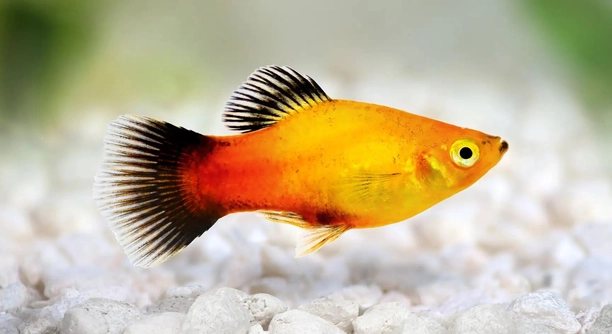
Is your platy acting strangely during the day but suddenly swimming around once the lights go out? You’re definitely not alone in noticing this odd behavior. Many fish owners have seen similar activity in their aquariums at night.
The most common reason your platy is only active when it’s dark is due to stress or discomfort caused by bright lighting or tank conditions. Poor lighting, tank mates, or a disrupted day-night cycle can affect their behavior significantly.
Understanding what’s happening in your tank and how to fix it can make a big difference for your platy’s comfort and routine.
Why Platies Might Prefer the Dark
Some platies become more active at night due to how they react to their environment. Bright lights can feel harsh or uncomfortable, especially if there aren’t enough hiding places in the tank. This stress can cause them to stay still or hide during the day. Tank mates also play a role—more aggressive fish or too much activity in the tank can lead to timid behavior. Platies are peaceful by nature, and when they feel unsafe or overstimulated, they often adjust their routines to avoid the most active hours. Changing the lighting setup, adjusting tank decor, or evaluating other fish in the tank can bring noticeable improvements. Sometimes, they are simply adapting to a new environment or dealing with a temporary imbalance in their surroundings. It’s important to observe their behavior over time and make small changes to see what helps them feel secure again.
Lighting, noise, and tank layout all influence how your platy behaves throughout the day.
A well-balanced setup with plants, hiding spots, and soft lighting often encourages daytime activity. Rearranging tank decorations to block light or reduce reflections can also help. If your tank is in a noisy room or placed near a TV, try relocating it. Excess background motion and sound may keep your fish on edge, making them feel more comfortable moving around only when things quiet down at night. Consider the timing of your tank light too—keeping a consistent day-night cycle matters. Fish rely on light patterns to understand when it’s time to rest and when to swim around. When these patterns are off, their natural rhythms shift. If you’ve recently changed your tank’s layout or introduced new tank mates, give your platy some time to adjust. Small tweaks to lighting and environment can bring back normal activity without too much effort.
Signs Your Platy Is Stressed
Stress in platies can look like hiding, faded color, or erratic swimming. It’s often easy to miss if you’re not paying close attention.
A platy that only comes out in the dark may also show other small signs of discomfort that add up over time. If you notice them hiding behind filters, plants, or decorations all day, it might mean they don’t feel safe. Platies tend to be more social and active when their environment feels stable and quiet. Faded or dull coloring can also signal stress. If their vibrant tones start to disappear, that’s a sign to look into what might be bothering them. Rapid or jerky swimming, as well as long periods of inactivity, are other clues. It helps to check water temperature, ammonia levels, and tank cleanliness regularly. Even slight changes in these areas can throw off a fish’s behavior. If your platy is eating well but still hiding all day, the issue is likely environmental rather than health-related.
Adjusting Tank Conditions for Daytime Activity
Small changes to the tank can help your platy feel more comfortable during the day. Lowering the light intensity and adding plants or decorations for shade can encourage more natural, relaxed behavior.
Use soft lighting or dimmable LEDs to create a calmer space during the day. Bright, direct lights can be too harsh, especially if your platy doesn’t have shaded areas to escape to. Live or silk plants, caves, and driftwood make great additions that offer hiding places and reduce open space. A tank that feels too exposed can make a fish anxious and less likely to move around. If the tank is placed near a sunny window or under direct room light, consider changing its location. Aim for 8–10 hours of consistent light each day, using a timer if needed. A stable light routine supports your platy’s natural rhythm and encourages regular daytime swimming.
Another factor is tankmates. Aggressive or overly active fish can intimidate a platy and keep it hiding. If your platy is sharing space with fin-nippers or fast swimmers, it may be best to separate them. Platies do best in calm, peaceful communities. A tank that feels chaotic can throw off their usual routine. Keep an eye on how your platy interacts with others. If it’s always hovering in corners or darting away, something in the social setup may need adjusting. Also, make sure the tank isn’t overcrowded. Too many fish create stress and reduce swimming space. Stick to recommended stocking levels to avoid unnecessary tension. A quiet tank with slow, gentle fish can help bring your platy back into the daylight. Sometimes all it takes is one tankmate change to improve the overall dynamic. Once your platy feels safe, you’ll notice a steady return to more active daytime behavior.
Checking Water Quality and Temperature
Poor water conditions can make a platy feel sluggish or stressed. Even slight changes in ammonia, nitrite, or nitrate levels can affect behavior. Testing the water weekly helps you catch problems early before they cause long-term issues.
Temperature matters just as much. Platies prefer stable water between 72°F and 78°F. Fluctuations outside this range may lead to inactivity or strange swimming patterns. Use a reliable heater and thermometer to keep the temperature consistent, especially at night when rooms cool down.
Watching for Subtle Illness Signs
If your platy is only active in the dark and nothing changes after adjusting the tank, illness might be the reason. Watch closely for signs like clamped fins, loss of appetite, or rapid gill movement. These can point to internal stress or infection. Sometimes, early symptoms are easy to overlook if the fish is still eating and swimming normally at night. A quick checkup at a local fish store or with an aquatic vet can help rule out parasites or bacteria. Don’t medicate unless you’re sure what’s wrong—some treatments can stress your fish even more. Clean water, a balanced diet, and a calm space go a long way.
Keeping a Regular Tank Routine
A consistent feeding and lighting schedule helps your platy feel secure. Sudden changes in timing can confuse their rhythm and reduce daytime activity. Stick to routines your fish can rely on daily.
FAQ
Why is my platy hiding all day but swimming at night?
This usually happens when your platy doesn’t feel safe or comfortable during the day. Bright lighting, tank location, or aggressive tankmates can make them retreat to hiding spots. At night, when the tank is darker and quieter, they may feel less exposed and more willing to swim. It can also be linked to a disrupted day-night cycle. A consistent routine and calm environment during the day can help reset their behavior. Once the tank feels safe again, most platies will slowly become more active in the daytime.
Can lighting affect my platy’s behavior?
Yes, lighting plays a big role in how platies act. If your tank lights are too bright, your fish may avoid open areas and only become active when the lights go off. Some platies are more sensitive to strong lighting, especially if the tank lacks plants or shaded spots. Soft, dimmable lighting is ideal. Using a timer helps maintain a natural schedule. Around 8–10 hours of light each day is best for their internal rhythm. If you notice a change in activity when adjusting the lighting, that’s a good sign that brightness may have been part of the issue.
Could my platy be nocturnal?
Platies are not naturally nocturnal. They’re diurnal fish, meaning they’re meant to be active during the day and rest at night. If your platy only moves around in the dark, something in the environment is likely throwing off its normal pattern. It could be the lighting, tankmates, water quality, or even stress. Try making small changes, one at a time, to see what encourages more activity during the day. It might take a few days, but once things improve, your platy should slowly return to its usual routine.
Is it okay if my platy is shy during the day?
A little shyness isn’t always a bad sign, especially if your platy is new to the tank or adjusting to changes. However, if the behavior lasts more than a week or two, it’s worth looking into possible causes. Long-term hiding or inactivity can mean your fish doesn’t feel secure. Provide more hiding places, soften the lighting, and watch how your platy interacts with other fish. Once your platy starts feeling safer, it’ll usually become more social and explore more during the day.
Can stress really change my platy’s daily habits?
Absolutely. Stress can affect almost everything in a fish’s routine. It might cause hiding, reduced appetite, odd swimming, or changes in sleep patterns. Stress is often triggered by sudden changes in water quality, noise, lighting, or tankmates. Even things like loud music or kids tapping on the tank glass can have an effect. Platies are peaceful fish, so they need a calm, balanced space. Reducing stress helps bring back normal behaviors, including daytime activity.
Should I be worried if my platy looks healthy but acts oddly?
Not necessarily, but it’s still good to pay attention. If your platy eats, swims, and looks healthy but only becomes active in the dark, it might just be reacting to its surroundings. Keep an eye out for small changes in behavior or signs of illness. Make sure your water conditions, temperature, and lighting are all stable. Sometimes, it’s just a temporary phase, especially if something in the tank recently changed. Patience and small improvements often lead to positive results over time.
Final Thoughts
Watching your platy only come out at night can feel confusing at first, but it’s often a sign that something in the tank isn’t quite right. It doesn’t always mean there’s a serious problem—many times, it’s just a reaction to light, tankmates, or small environmental changes. Fish are sensitive to their surroundings, and when they don’t feel safe or comfortable, they adjust their behavior. By observing closely and making a few simple changes, you can often help your platy return to its usual activity during the day. It may take some time, but consistency and patience usually pay off.
One of the most helpful things you can do is keep a steady routine. This includes regular feeding times, stable lighting schedules, and clean water conditions. Make sure your tank has places for your platy to hide and rest, even during the day. Live plants, soft lighting, and calm tankmates make a big difference. Also, avoid sudden changes to the environment. Even small things like loud noises or bright sunlight through a window can have an effect on your fish’s behavior. Giving your platy a predictable and peaceful space helps reduce stress and brings back natural patterns.
If you’ve tried everything and your platy is still only active in the dark, don’t feel discouraged. Sometimes fish just need more time to adjust. Every fish has a slightly different personality, and some may simply take longer to feel comfortable in a new environment. As long as your platy is eating well, swimming normally, and showing no signs of illness, this behavior is likely not something to worry about. Continue keeping the tank calm and stable, and monitor things regularly. With small efforts and attention, your platy will likely settle into a more balanced and active routine, even during the day.

Hello,
If you enjoy the content that we create, please consider saying a "Thank You!" by leaving a tip.
Every little bit helps us continue crafting quality advice that supports the health, happiness, and well-being of pets around the world, for pets of all shapes, sizes, and species.
We really appreciate the kindness and support that you show us!