
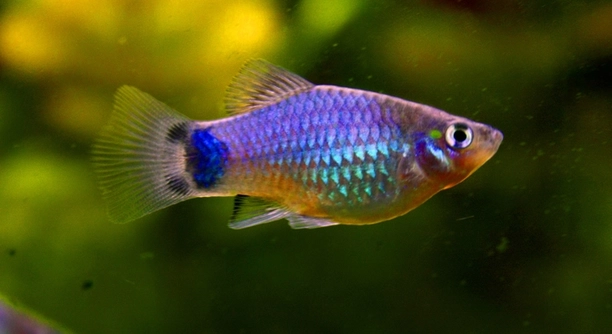
Many people enjoy keeping platies as colorful, lively additions to their home aquariums. These small fish are known for being peaceful and easy to care for. However, subtle mistakes in tank habits can cause unnecessary stress for them.
Stress in platies often results from improper tank conditions, such as overcrowding, poor water quality, inconsistent feeding, and inadequate hiding spaces. These factors disrupt their natural behavior and well-being, leading to weakened immune systems and health problems.
Recognizing these common habits can help you create a calm, healthy environment for your platies. This article will guide you through the main causes of stress in your tank and how to avoid them.
Overcrowding the Tank
Keeping too many platies in a small tank can quickly lead to stress. Platies need space to swim freely and establish territories. When there are too many fish, they compete for space, food, and oxygen, which causes constant tension. Overcrowding also increases waste, which affects water quality. Poor water quality can cause health problems like fin rot or infections. It is important to research the right tank size for the number of platies you plan to keep. Adding extra plants and decorations can provide hiding spots and reduce aggression among fish. Regular cleaning and water changes become even more critical in crowded tanks to maintain a healthy environment.
Overcrowding limits swimming space and increases waste, which raises stress levels for platies.
Reducing the number of fish or upgrading to a larger tank can improve water quality and reduce competition. This allows platies to swim freely and rest without constant stress. A less crowded tank supports better health and natural behavior, helping platies thrive.
Poor Water Quality
Water quality is one of the most important factors in keeping platies healthy. Dirty water with high ammonia, nitrite, or nitrate levels causes stress and can quickly harm fish. Even small changes in pH or temperature can upset their balance. Regular testing and partial water changes help keep conditions stable. Avoid overfeeding, as leftover food decays and pollutes the water. Filters should be cleaned but not too thoroughly to preserve beneficial bacteria. Proper water conditions reduce disease risks and support platies’ immune systems. It may seem like extra work, but clean water is essential for their well-being and comfort in the tank.
Inconsistent Feeding
Feeding platies irregularly can cause stress and affect their health. They thrive on a steady feeding schedule that matches their needs.
Platies need a balanced diet given in small amounts twice a day. Overfeeding leads to leftover food that pollutes the water, while underfeeding can weaken their immune system. Inconsistent feeding disrupts their routine and can cause anxiety, making them less active or prone to illness. Providing a reliable feeding schedule helps platies feel secure and maintain good health. Using high-quality food designed for livebearers supports their energy and coloration.
Keeping a consistent feeding routine is simple but very important. It helps platies stay healthy and reduces tank maintenance by preventing excess waste. A steady diet supports their natural behavior and reduces stress caused by hunger or poor water quality.
Lack of Hiding Places
Platies need places to hide when they feel threatened or want to rest. Without enough hiding spots, they become more vulnerable and stressed.
Adding plants, rocks, or decorations creates shelter that helps platies feel safe. Hiding places reduce aggressive behavior among tank mates and give shy fish a chance to relax. Natural plants also improve water quality by absorbing nitrates. It’s best to use a mix of live and artificial plants to balance care and tank aesthetics. Ensuring enough space and shelter promotes calm behavior and supports their well-being. Without these safe zones, platies may constantly swim nervously, which wastes energy and increases stress.
Sudden Changes in Environment
Sudden changes in water temperature or chemistry can shock platies and cause stress. They need a stable environment to feel comfortable and healthy.
Avoid rapid shifts by making slow adjustments during water changes or tank moves. Consistency helps platies adapt without harm.
Aggressive Tank Mates
Platies are peaceful fish and do not do well with aggressive or territorial species. Stress from bullying can weaken their immune systems and cause injury.
Choosing compatible tank mates is important. Avoid adding large or aggressive fish that may chase or nip at platies. Calm community fish make better companions.
Poor Lighting Conditions
Lighting that is too bright or too dim can disturb platies’ natural behavior. Proper lighting supports their activity and health.
What are the most common signs of stress in platies?
Platies showing stress often change their behavior or appearance. They may swim erratically, hide more than usual, or lose appetite. Color fading or dullness is another sign. You might also see rapid gill movement or clamped fins. These signs usually mean something in their environment is causing discomfort or harm. Recognizing stress early helps prevent serious health issues.
How often should I change the water in a platy tank?
Changing 20-25% of the tank water every week is a good rule. This keeps ammonia and nitrate levels low, which helps maintain clean water. Avoid changing too much water at once, as it can shock the fish. Regular partial water changes combined with good filtration keep the tank stable and stress-free for platies.
Can overcrowding cause disease in platies?
Yes, overcrowding stresses platies and weakens their immune systems. This makes them more vulnerable to diseases like fin rot or fungal infections. High fish density also increases waste buildup, leading to poor water quality. Keeping the right number of platies in an appropriately sized tank is key to preventing illness.
What is the best diet for platies to reduce stress?
A varied diet with high-quality flakes or pellets designed for livebearers is best. Supplementing with frozen or live foods like brine shrimp or bloodworms provides nutrients and keeps them active. Avoid overfeeding, as leftover food pollutes the water. Consistent, balanced feeding supports health and reduces stress.
How do I create hiding spots in a platy tank?
Use live or artificial plants, rocks, and decorations to build shelters. Plants provide natural cover and improve water quality. Arrange these hiding spots in different areas to give platies options when they want to rest or escape. Even simple caves or tunnels work well. These safe zones help reduce stress and aggression.
Can sudden changes in water temperature harm platies?
Yes, platies prefer stable water temperatures between 70°F and 78°F (21°C–26°C). Sudden temperature shifts can shock their systems, leading to stress or illness. Use a reliable heater and thermometer to monitor temperature. When adding new water, make sure it matches the tank’s temperature closely.
What tank mates are safe for platies?
Peaceful community fish like guppies, mollies, or small tetras usually get along well with platies. Avoid large or aggressive species that may bully or chase them. Keeping compatible tank mates helps maintain a calm environment, which reduces stress and promotes natural behavior.
How does poor lighting affect platies?
Too much light can cause platies to become restless or hide, while too little light can make them inactive and dull their colors. Aim for 8-12 hours of moderate, natural-looking light daily. Using a timer can keep lighting consistent and help maintain their natural rhythms.
Why is it important to avoid overfeeding platies?
Overfeeding leaves uneaten food to decay, polluting the water and encouraging harmful bacteria growth. This lowers water quality and causes stress or illness. Feeding small amounts they can finish within two minutes, twice a day, helps keep the tank clean and the fish healthy.
How can I tell if water quality is good for platies?
Clear water without odor is a good sign, but testing is best. Ammonia and nitrite should always be zero, and nitrate kept under 20 ppm. pH should be stable around 7.0 to 8.0. Regular testing with aquarium kits helps you catch problems before platies get stressed or sick.
Keeping platies healthy and happy requires paying attention to simple tank habits. Small changes in their environment can have a big impact on how they feel. Overcrowding, poor water quality, and inconsistent feeding are common issues that cause stress. Stress weakens platies’ immune systems, making them more likely to get sick. By providing enough space, clean water, and a steady feeding routine, you create a stable and safe home for them.
Platies also need hiding places where they can feel secure. Adding plants, decorations, or small caves helps reduce their anxiety. They need a peaceful community without aggressive fish that might chase or nip at them. Sudden changes in temperature or lighting can also upset their balance, so keeping conditions steady is important. Paying attention to these details may seem like extra work, but it really makes a difference in your platies’ well-being.
Overall, understanding what causes stress in platies allows you to improve their care. Watching their behavior and regularly checking tank conditions helps catch problems early. When your platies are comfortable and calm, they show brighter colors and swim actively. This not only makes your aquarium more enjoyable to watch but also means your fish are healthier for a longer time. Taking these simple steps helps ensure your platies live a stress-free and happy life in their aquatic home.

Hello,
If you enjoy the content that we create, please consider saying a "Thank You!" by leaving a tip.
Every little bit helps us continue crafting quality advice that supports the health, happiness, and well-being of pets around the world, for pets of all shapes, sizes, and species.
We really appreciate the kindness and support that you show us!