
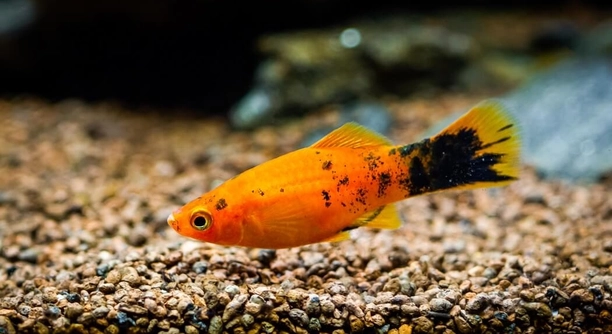
Platies are popular freshwater fish known for their bright colors and peaceful nature. Many fishkeepers enjoy watching their behavior and caring for their tanks. Sometimes, these fish act unusually energetic right after water changes.
Platies often become more active after water changes because of sudden changes in water parameters like temperature, pH, and oxygen levels. These shifts can stimulate their nervous system and make them swim more rapidly or behave erratically for a short period.
Recognizing why platies act this way can help you create a calmer environment for them. This article will explain the reasons behind their behavior and offer simple tips to manage it effectively.
Why Water Changes Affect Platies’ Behavior
Water changes improve the quality of the tank environment by removing waste and toxins. However, sudden shifts in water temperature, pH, and hardness can stress platies. Even small differences from their usual water conditions can cause them to react. After a water change, oxygen levels often rise quickly, encouraging fish to become more active. Additionally, the flow of fresh water may create new currents that stimulate their swimming. These changes are not harmful if water parameters are closely matched, but platies will still show excitement or agitation for a short time. Watching them during this period helps you understand their comfort level and adjust the water change routine if needed.
The more frequent and careful the water changes, the quicker platies adapt to the new environment.
Matching water temperature and chemistry as closely as possible during water changes reduces stress and calms platies sooner.
How to Keep Platies Calm After Water Changes
Using a water conditioner helps remove chlorine and other chemicals that upset fish. Testing water before adding it to the tank ensures proper temperature and pH levels. Changing only 20-30% of the water at a time reduces sudden shifts. Pouring new water slowly avoids shocking the fish with strong currents. Providing hiding places like plants or decorations offers platies a safe space to relax when they feel nervous. Consistency in water changes builds a stable environment, which platies prefer. Over time, these habits lower stress and help maintain healthy, peaceful fish behavior after water changes.
Common Signs of Stress in Platies After Water Changes
Platies may dart around quickly, hide more than usual, or lose their appetite. These behaviors indicate stress from sudden changes in their environment.
Stress signs can also include clamped fins and increased gill movement. Rapid swimming shows their nervousness, while hiding means they feel insecure. Appetite loss is common because stressed fish focus on survival, not eating. If stress lasts too long, platies can become weak and vulnerable to illness. Observing these signs helps you react early and adjust tank care to support your fish’s well-being.
To reduce stress, keep water parameters stable and avoid large water changes. Slowly introducing new water and maintaining consistent feeding routines also help platies feel safe. Adding plants or decorations for shelter can comfort nervous fish. Proper care during and after water changes lowers stress levels and encourages normal behavior faster.
Importance of Stable Water Conditions for Platies
Stable water conditions are crucial for platies’ health and behavior. Sudden shifts can disrupt their biological balance and cause stress-related problems.
Platies thrive in water with steady temperature, pH, and hardness levels. Keeping these factors consistent prevents unnecessary excitement or anxiety. Regular testing of water quality and careful preparation before changes help maintain stability. Gradual water changes support their natural environment and reduce shock. When water stays stable, platies swim calmly, eat well, and grow stronger. This stable environment also lowers the risk of disease, making it easier to enjoy watching healthy, happy fish over time.
Adjusting Water Change Frequency
Changing water too often can stress platies, while waiting too long allows waste buildup. Finding the right balance is key.
For most tanks, changing 20-30% of the water every one to two weeks works well to keep conditions stable without overwhelming the fish.
Benefits of Using a Heater During Water Changes
A heater keeps water temperature consistent during changes, preventing sudden drops that upset platies. Without a heater, fresh water can be colder than tank water, causing shock. Using a reliable heater ensures the new water matches the tank temperature closely. This stability reduces stress and helps platies adjust quickly after changes, supporting their health and calm behavior.
Observing Your Platies
Watch how your platies react after each water change to spot any unusual behavior early.
FAQ
Why do my platies swim wildly right after a water change?
Platies react to sudden shifts in water conditions, such as temperature, pH, and oxygen levels. These changes stimulate their nervous system and make them swim more actively or erratically for a short time. The fresh water often has higher oxygen, encouraging increased movement. This behavior usually fades as they adjust.
How long does it take for platies to calm down after a water change?
Most platies settle within a few hours after a water change if the conditions are stable. If water parameters are very different, it may take up to a day. Consistency in water temperature and chemistry helps them calm faster and reduces stress.
Can frequent water changes harm my platies?
Frequent, large water changes can stress platies by causing rapid shifts in their environment. It’s best to do partial changes (20-30%) every week or two, keeping conditions as stable as possible. This balances removing toxins and avoiding sudden changes.
What water temperature is best for platies during water changes?
Platies do best between 72°F and 78°F (22°C to 26°C). Matching the temperature of new water to the tank’s water during changes prevents shock. Using a heater or testing the water before adding it helps maintain this range.
Why do platies hide more after a water change?
Hiding is a common stress response. When conditions change suddenly, platies seek shelter to feel safe. Providing plants or decorations helps reduce their anxiety. If hiding lasts more than a day, check water quality and adjust your routine.
Is it necessary to use a water conditioner during changes?
Yes. Tap water often contains chlorine or chloramine, which can harm fish. Water conditioners neutralize these chemicals, making water safe to add. Using a conditioner every time protects platies and helps keep their behavior normal.
Can poor water quality cause erratic platy behavior?
Definitely. High ammonia, nitrites, or nitrates stress platies and make them swim wildly or gasp at the surface. Regular testing and proper filtration keep water clean. Addressing water quality problems quickly protects fish health and behavior.
What if my platies keep acting wild even after careful water changes?
If wild behavior continues, check for other causes like illness, overcrowding, or aggressive tank mates. Stress from water changes adds up with other factors. Observing all conditions and making adjustments helps restore calm and healthy fish behavior.
How can I make water changes less stressful for my platies?
Prepare new water to match tank conditions closely. Change water slowly to avoid strong currents. Use a water conditioner and keep consistent change schedules. Provide hiding spots so fish feel secure during transitions. These steps reduce shock and support calm behavior.
Does lighting affect platies’ activity after water changes?
Bright or sudden changes in lighting can increase platies’ activity and stress. Keeping tank lighting consistent and avoiding sudden changes during water changes helps platies stay calm. Soft or natural lighting can create a relaxing environment.
Should I feed my platies before or after a water change?
It’s better to feed them after a water change once they have settled. Feeding before a change can increase waste and reduce water quality. After water changes, fish are calmer and more likely to eat normally, helping maintain their health.
Platies are lively fish that can show sudden bursts of energy after water changes. This behavior is mostly caused by changes in their environment, such as shifts in temperature, pH, and oxygen levels. These changes can excite or stress the fish, leading them to swim quickly or hide for a short time. Understanding that this reaction is normal helps fishkeepers feel more confident when caring for their tanks. It also encourages careful water change routines to keep platies comfortable and healthy.
Keeping water conditions stable is very important for platies’ well-being. Sudden changes, even small ones, can cause stress, making the fish act wild or nervous. By matching the new water’s temperature and chemistry closely to the tank’s existing water, fishkeepers can reduce stress and help platies adjust more easily. Using a water conditioner and testing water before adding it to the tank are simple ways to maintain a safe environment. Additionally, doing partial water changes instead of full replacements prevents sudden shifts and keeps the tank balanced.
Providing a calm environment after water changes helps platies settle faster. Adding plants, decorations, or hiding spots gives fish places to feel secure when they are nervous. Watching how platies behave after each water change lets fishkeepers notice if something is wrong and adjust their care. Over time, careful water management builds a stable and healthy tank where platies can thrive. This makes caring for them more rewarding and enjoyable for anyone who keeps these colorful, active fish.

Hello,
If you enjoy the content that we create, please consider saying a "Thank You!" by leaving a tip.
Every little bit helps us continue crafting quality advice that supports the health, happiness, and well-being of pets around the world, for pets of all shapes, sizes, and species.
We really appreciate the kindness and support that you show us!