
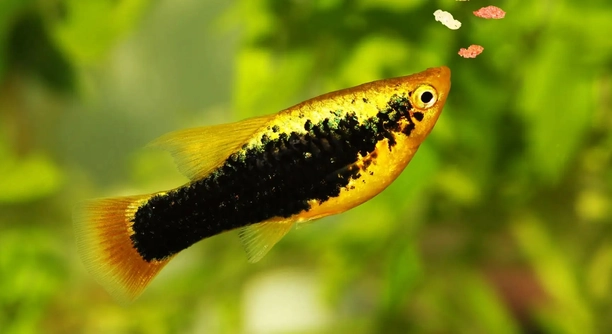
Platies are popular freshwater fish known for their vibrant colors and easy care. Many owners enjoy watching their lively movements and peaceful nature in home aquariums. Keeping their tank clean is important for their health and happiness.
Platies can generally go about one to two weeks without a water change if the tank is well-maintained and properly filtered. However, regular partial water changes are essential to maintain water quality, prevent toxin buildup, and ensure the fish’s long-term health.
Understanding the right water change routine helps maintain a stable environment for platies and keeps them thriving in your aquarium. This article will guide you through the key points to consider.
Why Regular Water Changes Matter for Platies
Maintaining clean water in a platy tank is essential to keep the fish healthy and active. Over time, fish waste, leftover food, and decaying plants produce harmful chemicals like ammonia and nitrites. These substances build up and can stress the fish, leading to illness or death if not controlled. Even with a good filter, these toxins may accumulate between water changes. Regular water changes help remove these harmful compounds and replace them with fresh water that contains the right balance of minerals and oxygen. This also helps keep the pH and hardness levels stable, which platies prefer. Without consistent water changes, the tank environment becomes less stable, making it harder for the fish to thrive. Clean water supports better immune systems and helps prevent common diseases in platies. Overall, water changes are a simple but crucial step in proper platy care that ensures a longer, healthier life for your fish.
Changing about 20-30% of the water every one to two weeks is usually enough to keep platies healthy.
Water changes don’t have to be complicated or time-consuming. Using a siphon to remove water and clean the substrate can be done quickly during routine care. It’s also important to treat tap water with a conditioner to remove chlorine and chloramine before adding it back to the tank. Taking these small steps regularly will create a stable and comfortable environment. Clean water encourages platies to display their natural colors and behaviors. With simple maintenance, you can avoid many common problems that come from poor water quality, such as cloudy water or algae overgrowth. Keeping up with water changes also supports the beneficial bacteria that break down waste in the tank, maintaining the overall balance. These benefits all add up to a happier, healthier aquarium.
Signs That Your Platy Needs a Water Change
Cloudy or foul-smelling water often indicates the need for a water change.
If the tank water looks murky or smells bad, it usually means waste is building up. Fish may also act sluggish or gasp at the surface if oxygen levels drop. Regular observation helps catch these signs early before they cause health issues. Noticing dull colors or less activity can also mean the water quality is declining. By changing the water promptly, you help restore a clean environment and reduce stress on your platies. Keeping an eye on water parameters like ammonia, nitrites, and nitrates using test kits provides a clearer picture of when to act. Reacting quickly to these signals can prevent diseases and improve the overall condition of your aquarium. In short, knowing what to watch for ensures you can keep the tank fresh and your fish comfortable at all times.
How Temperature Affects Water Change Frequency
Warmer water speeds up waste breakdown, requiring more frequent changes. Platies thrive best between 72°F and 78°F, so maintaining this range helps control water quality.
Higher temperatures increase fish metabolism, leading to faster production of waste and uneaten food. This causes toxins like ammonia to build up quickly, which can harm platies if not removed often. When water is warmer, beneficial bacteria also work faster but may struggle to keep up with waste in small tanks or crowded conditions. Regular monitoring of water quality is crucial in warmer setups to avoid sudden spikes in harmful substances. Adjusting water change schedules according to temperature can prevent stress and illness in platies. Keeping the water within the ideal range reduces the risk of rapid deterioration and helps maintain a balanced, healthy environment for your fish to flourish.
Temperature also affects oxygen levels in the tank. Warmer water holds less oxygen, which means platies may need cleaner, well-aerated water more often. Providing adequate filtration and aeration alongside timely water changes supports their health. This careful balance helps keep your platies comfortable and lively throughout the year.
Effects of Tank Size on Water Change Needs
Smaller tanks tend to accumulate toxins faster and require more frequent water changes. Larger tanks are more stable and can go longer between changes.
In a small tank, there is less water to dilute fish waste, so harmful chemicals build up more quickly. Even a few platies can produce enough waste to affect water quality within days. This means more frequent water changes—sometimes weekly or even twice a week—are necessary to keep conditions safe. Smaller tanks also tend to have less stable temperature and pH levels, so regular water changes help maintain balance. On the other hand, larger tanks dilute waste better and often have more stable environments. This means water changes can usually be spaced out more, but should still be consistent to keep the water clean and fish healthy.
Proper filtration is important in any tank size, but small tanks especially rely on regular water changes for good water quality. Adjusting care routines based on tank size ensures platies get the best environment possible, avoiding stress and promoting long life.
Feeding Habits and Water Quality
Overfeeding platies can quickly pollute the tank water. Uneaten food breaks down and increases toxin levels.
Feeding small amounts once or twice a day helps prevent leftover food from decaying. Proper feeding reduces the frequency of needed water changes and keeps the tank cleaner longer.
Signs of Poor Water Quality to Watch For
Cloudy water, algae growth, and fish gasping at the surface all point to declining water quality. These signs mean a water change is needed immediately.
Tools to Make Water Changes Easier
Using a siphon or gravel vacuum simplifies water changes by removing debris and waste efficiently without disturbing the fish.
FAQ
How often should I change the water in my platy tank?
Water changes should be done every one to two weeks, depending on tank size, temperature, and how many fish you have. Smaller or warmer tanks usually need more frequent changes, sometimes weekly. Larger, well-filtered tanks can often go two weeks without a change if the water quality remains good.
Can platies survive without water changes?
Platies can survive short periods without water changes, typically up to two weeks, but this isn’t ideal. Without regular changes, toxins build up and stress the fish. Over time, poor water quality can cause health problems or shorten their lifespan.
How much water should I change at once?
Changing 20-30% of the tank water at a time is usually best. This removes enough waste and toxins without shocking the fish. Large water changes can cause sudden changes in water parameters, which can stress or harm platies.
What happens if I don’t change the water enough?
If water changes are skipped or done rarely, harmful substances like ammonia and nitrites increase. This causes stress, lowers immunity, and can lead to diseases or death. Algae growth may also increase, making the tank look dirty and unhealthy.
Is it okay to change all the water at once?
Changing 100% of the water at once is not recommended. It can remove beneficial bacteria and cause sudden shifts in temperature, pH, and other water conditions. Partial water changes are safer and help maintain stability in the tank.
Do I need to treat tap water before adding it to the tank?
Yes, always treat tap water with a water conditioner to remove chlorine and chloramine. These chemicals are harmful to fish. Conditioning water makes it safe to add and helps maintain a healthy environment.
Can I skip water changes if I have a good filter?
Even the best filters can’t remove all toxins or waste completely. Filters help but don’t replace water changes. Regular water changes are essential to keep the tank clean and water chemistry balanced.
How do I know if my water change routine is working?
Test water parameters regularly using aquarium test kits. Ammonia and nitrite should be zero, and nitrate levels low. Clear water and active, colorful fish are good signs. If the water is cloudy or fish behave strangely, it might be time to adjust your routine.
Will more frequent water changes stress my platies?
Proper partial water changes don’t stress platies when done carefully. Using water at the right temperature and adding it slowly helps avoid shock. Frequent small changes are better than rare large ones.
What tools do I need for easy water changes?
A siphon or gravel vacuum makes water changes easier by removing debris and waste while sucking out water. A bucket, water conditioner, and thermometer are also helpful to prepare and add fresh water safely.
Regular water changes are a simple but important part of keeping platies healthy and happy. They help remove harmful waste and keep the water clean. Even with good filters, water changes are necessary to maintain the right balance in the tank. Without them, toxins like ammonia and nitrites can build up and cause stress or illness in your fish. By making water changes a part of your routine, you can create a safer, more comfortable home for your platies.
How often you change the water depends on several things, including tank size, temperature, and how many fish you keep. Smaller tanks or warmer water usually need more frequent changes, while larger, cooler tanks can go longer between changes. Feeding habits also affect how quickly waste builds up, so feeding your fish the right amount helps keep the water cleaner. Watching for signs like cloudy water, algae growth, or fish acting tired can guide you in knowing when to change the water. Regular testing with aquarium kits can also keep you informed about water quality.
Water changes don’t have to be difficult or take a long time. Using simple tools like a siphon or gravel vacuum makes the process quicker and helps clean the tank at the same time. Always remember to treat tap water with a conditioner before adding it to the tank to remove harmful chemicals. Changing 20-30% of the water at a time is usually enough and keeps the environment stable for your fish. With a little attention and care, regular water changes will support your platies’ long-term health and help them stay lively and colorful.

Hello,
If you enjoy the content that we create, please consider saying a "Thank You!" by leaving a tip.
Every little bit helps us continue crafting quality advice that supports the health, happiness, and well-being of pets around the world, for pets of all shapes, sizes, and species.
We really appreciate the kindness and support that you show us!