
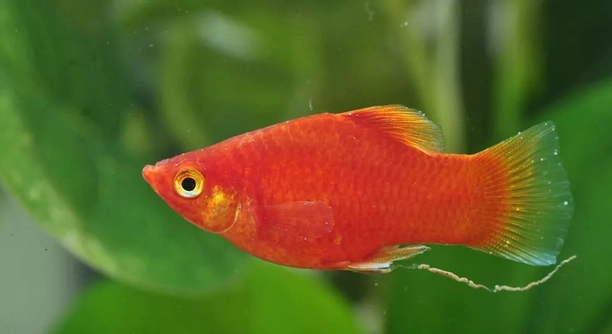
Many aquarium owners notice their platy fish reacting differently to their own reflection over time. Sometimes, these small fish may suddenly ignore what once caught their attention. This change can seem puzzling for those who enjoy watching their fish interact.
The sudden ignoring of their reflection by platies is usually due to reduced territorial or mating behavior. As they become familiar with their environment or other fish presence, their interest in reflections decreases, showing less aggressive or curious responses.
Understanding this behavior helps explain the changes in your platy’s actions. Recognizing the reasons behind these shifts supports better care and a more peaceful aquarium environment.
Reasons Behind Your Platy’s Change in Behavior
Platies often respond to their reflection as a way to establish territory or recognize a potential mate. When they suddenly stop reacting, it usually means they no longer see the reflection as a threat or opportunity. This shift can happen when the fish becomes accustomed to the reflection over time. Another reason might be the presence of other fish that take priority in their attention. Environmental changes such as lighting, tank decorations, or water conditions can also affect how your platy behaves. If the reflection is less visible or distorted, your fish may ignore it naturally. Stress or health issues could contribute to decreased interest, but this is less common when other behaviors remain normal. Overall, these changes are part of how platies adjust to their surroundings and social dynamics within the tank.
Platies’ behavior toward reflections depends on both environmental factors and their social interactions. Changes in either can alter their responses quickly.
The adjustment in your platy’s reaction shows how adaptable these fish are. They learn to focus on real interactions rather than reflections once they feel secure. This can help reduce stress in the tank and improve harmony among all inhabitants. Monitoring your fish’s environment and social group helps maintain their natural behavior and wellbeing.
How to Encourage Healthy Interaction with Reflections
Reflection interaction often signals active behavior in platies, so fostering this can help keep them engaged. Keep tank lighting consistent and ensure the tank is clean to avoid distorted reflections. Avoid sudden changes in decoration or water clarity that may confuse the fish. Providing plenty of hiding spots and compatible tank mates can also improve overall comfort, encouraging natural responses. Sometimes, placing a mirror briefly can stimulate activity, but it should not be overused to avoid stress. Understanding when and why your platy interacts with reflections lets you create a more balanced environment that supports their natural instincts.
Reflection interest in platies varies with their mood, health, and tank conditions.
Supporting your platy’s natural behavior means managing its environment carefully. Proper water quality, stable temperature, and balanced lighting all contribute to healthy activity levels. Ensure your fish is not overcrowded and has enough space to explore. Introducing plants or other decorations can enrich the tank and reduce boredom, which may renew curiosity toward reflections. Observing changes in behavior helps you address any concerns before they affect health. By maintaining a stable environment, your platy will show more natural interactions and enjoy its surroundings.
Signs Your Platy Is Stressed or Unwell
Changes in reflection response can signal stress or illness. Watch for signs like lethargy, loss of appetite, or unusual swimming patterns. These behaviors may explain why your platy ignores its reflection suddenly.
Stress can come from poor water quality, sudden changes in the tank, or aggressive tank mates. If your platy shows less interest in reflections along with these signs, it may be struggling. Regular water testing and observing tank dynamics help prevent stress. Addressing any health issues early supports your fish’s recovery and wellbeing.
When illness affects your platy, its immune system weakens, leading to reduced activity. This causes the fish to focus less on reflections and more on basic survival. Maintaining a clean tank and stable conditions lowers stress and keeps your platy healthy. If symptoms persist, consulting a vet or experienced aquarist is important for proper treatment.
Tank Environment and Its Impact on Behavior
Water temperature and cleanliness strongly affect platy behavior. Fluctuations in temperature or poor water quality can make your fish less active, reducing interest in reflections. Keeping stable conditions promotes natural responses.
Lighting plays a role, too. Dim or inconsistent lighting may cause the reflection to be less noticeable, leading to less interaction. Bright light helps platies recognize reflections clearly but avoid harsh glare. Proper lighting balance encourages healthy behavior.
Tank size and decorations influence comfort levels. Crowded tanks or lack of hiding places increase stress and reduce natural activities. Well-arranged plants and decor provide security and stimulate curiosity. Maintaining a balanced environment helps your platy thrive and stay active, including when it sees its reflection.
Social Dynamics Within the Tank
Platies respond to other fish around them, which affects how they react to reflections. When surrounded by many tank mates, their focus shifts away from their own image.
Dominant or aggressive fish can also cause your platy to ignore reflections. Social hierarchy plays a big role in their daily behavior.
Age and Maturity Effects
As platies grow older, their behavior changes naturally. Younger fish tend to be more curious about reflections, while mature platies often lose interest as they settle into their environment and social roles.
Mature platies focus more on real interactions and less on their reflections, which explains the sudden change in behavior over time.
When to Seek Professional Advice
If your platy shows signs of illness alongside ignoring its reflection, a professional opinion can help. Early diagnosis and treatment are key to recovery.
FAQ
Why did my platy suddenly stop reacting to its reflection?
Platies often stop reacting to their reflection when they become familiar with it or no longer see it as a threat or mate. Over time, the novelty wears off. Social dynamics and environmental changes, like the presence of other fish or altered lighting, also play a role in this behavior shift.
Can ignoring its reflection mean my platy is sick?
Not always. While illness or stress can cause a fish to become less active and less interested in reflections, ignoring a reflection alone isn’t a sure sign of sickness. Look for other symptoms like lethargy, loss of appetite, or unusual swimming to determine if your platy needs care.
Is it normal for platies to be curious about their reflections?
Yes. Platies may react to their reflection out of curiosity, territorial instincts, or mating behavior. This is common in younger or more active fish. As they mature and grow more secure in their environment, their interest tends to decrease naturally.
How can I tell if my platy is stressed?
Signs of stress include hiding often, reduced activity, erratic swimming, or changes in appetite. Stress can come from poor water quality, overcrowding, or aggressive tank mates. If your platy shows these signs, it may also stop interacting with its reflection.
Does tank setup affect how my platy reacts to reflections?
Absolutely. Water quality, temperature, lighting, and tank decorations all impact your platy’s behavior. A clean, stable, well-lit tank with plenty of hiding spots encourages healthy, natural behaviors, including interest in reflections.
Can I use a mirror to stimulate my platy’s activity?
You can, but with caution. Briefly placing a mirror near the tank might encourage your platy to be more active or display territorial behavior. However, overusing this can cause stress. Use mirrors sparingly to avoid upsetting your fish.
Why do some platies react more aggressively to their reflection?
Aggressive reactions are linked to territorial instincts. Platies may see their reflection as a rival invading their space. This behavior is more common during breeding seasons or when the fish is establishing dominance in the tank.
Will my platy’s reflection behavior change with age?
Yes. Younger platies tend to be more curious and reactive to reflections. As they age, they become less interested and more focused on their environment and tank mates, which explains why sudden changes in reflection response can happen naturally.
How often should I check my tank conditions to keep my platy healthy?
Regular checks are important. Weekly testing of water parameters like pH, ammonia, nitrite, and nitrate levels helps maintain a healthy environment. Stable conditions reduce stress and encourage normal behaviors, including natural reactions to reflections.
What should I do if my platy stops eating and ignores its reflection?
Loss of appetite combined with ignoring reflections may indicate illness or stress. Check water quality immediately and look for other symptoms. Isolate the fish if necessary and consult a vet or aquatic specialist for diagnosis and treatment options.
Can reflections cause stress in platies?
Reflections can cause stress if the fish perceives its image as a constant intruder or rival. This is why some owners avoid placing their tanks where reflections are strong or use decorations to reduce reflective surfaces inside the tank.
How can I improve my platy’s environment to encourage natural behavior?
Maintain clean water with stable temperature and pH. Provide plants and hiding places to reduce stress. Keep a suitable number of tank mates to avoid overcrowding. Balanced lighting helps your platy see reflections clearly without causing glare or stress.
Final thoughts on why your platy might suddenly ignore its reflection focus on understanding its natural behavior and environment. Platies are small, social fish that react to reflections based on their mood, age, and tank conditions. When they stop paying attention to their reflection, it usually means they have adjusted to their surroundings or are more focused on real tank mates. This behavior is natural and shows how adaptable they can be. By observing your platy closely, you can notice these changes and learn what they mean for your fish’s well-being.
It is important to consider that many factors influence how a platy behaves toward its reflection. Changes in lighting, tank setup, and water quality all affect their interest. Stress and illness can also cause a decrease in interaction with reflections. Keeping the tank clean, maintaining stable water parameters, and providing a peaceful social environment are essential for healthy behavior. When your platy ignores its reflection but shows no other signs of distress, it is often a sign that your fish feels comfortable and secure in its habitat. Regular care and observation will help you spot any issues early before they become serious.
Ultimately, your platy’s reaction to its reflection is just one part of its overall behavior. It can vary over time depending on social dynamics and environmental conditions. Being attentive to these changes helps you provide the best care possible. Adjusting tank conditions, monitoring fish health, and offering a balanced environment can keep your platy happy and active. Understanding these small behaviors builds a stronger connection with your fish and ensures they thrive in your aquarium.

Hello,
If you enjoy the content that we create, please consider saying a "Thank You!" by leaving a tip.
Every little bit helps us continue crafting quality advice that supports the health, happiness, and well-being of pets around the world, for pets of all shapes, sizes, and species.
We really appreciate the kindness and support that you show us!