
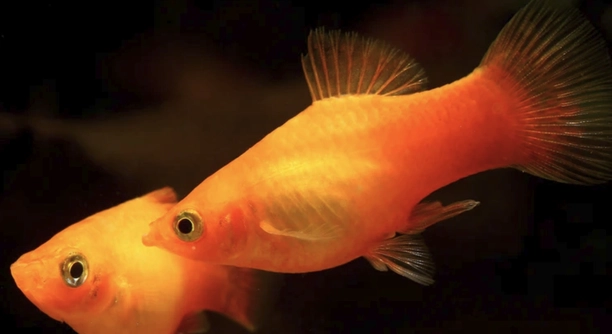
Platies are popular freshwater fish often kept in home aquariums for their vibrant colors and peaceful nature. Many fishkeepers enjoy observing their behavior and wonder if platies can learn to respond to feeding cues. This article explores the possibility of training platies using such signals.
Platies can be conditioned to recognize feeding cues through consistent routines and stimuli like tapping or specific light signals. While they may not learn complex tricks, these fish can associate cues with food availability, demonstrating simple learned behavior.
Understanding platies’ response to feeding cues can improve your aquarium experience and strengthen your interaction with these lively fish. The following details will explain how this training can be applied effectively.
How Feeding Cues Work for Platies
Platies are capable of learning through repetition and association. When you consistently use a specific action, such as tapping the tank or turning on a small light before feeding, the fish begin to link this cue with food. Over time, they start to respond by swimming to the feeding area or showing increased activity. This behavior results from their natural instinct to seek food, combined with their ability to recognize patterns. Training platies with feeding cues requires patience and consistency. It is important to keep the cues simple and use them every time before feeding. The clearer and more predictable the signal, the easier it is for platies to understand and react. While they may not respond immediately, regular use of cues can help build this behavior gradually, making feeding times smoother and more interactive for both the keeper and the fish.
Regular cues help reduce stress during feeding by giving platies a clear signal that food is coming soon.
Consistent feeding routines build trust and encourage platies to be more active. This interaction can enhance your experience, turning feeding from a simple task into an engaging moment that strengthens your connection with your aquarium. By observing their reactions to cues, you learn more about their habits and preferences, which can improve their care and wellbeing.
Best Practices for Training Platies
Start by choosing a distinct and repeatable cue, such as tapping the tank glass or turning on a light near feeding time. Use this cue every time before feeding. Keep the environment calm and avoid sudden movements that may scare the fish. Feed small amounts to prevent overfeeding and to maintain the fish’s interest. Patience is key, as platies may take several days to respond consistently. Avoid changing the cue once training has started, as this can confuse the fish and slow progress.
Training platies requires consistency and careful observation to ensure positive results.
Regular sessions at the same time of day improve learning and help platies anticipate feeding. Avoid distractions or other noises that could interfere with their focus. Rewarding platies with food immediately after the cue strengthens the connection. Over time, they will begin to associate the cue with feeding and show more active behavior. This method supports healthier fish by promoting regular feeding habits and reducing stress. Although platies cannot perform complex tricks, feeding cue training enriches their environment and helps maintain their natural behavior.
Common Challenges When Training Platies
Platies can be easily distracted by sudden movements or noises. This can make it difficult for them to focus on feeding cues. Additionally, inconsistent use of cues slows down their learning process and can cause confusion.
Distractions in the environment, like loud sounds or changes in lighting, can interrupt training. Using different cues at random times also affects their ability to associate the signal with food. Overfeeding during training can reduce their motivation to respond. Patience and consistency are essential to overcome these obstacles and help platies learn effectively.
Sometimes, slow progress can feel frustrating. However, staying consistent with the same cue and feeding schedule allows platies to gradually connect the action with food. Avoid sudden changes or overfeeding to keep their interest high. Recognizing small improvements keeps the process rewarding.
Tips to Improve Training Success
Choose a simple cue that stands out clearly from other noises or activities in the room. Use it every day at the same time to build routine. Reward quickly after the cue to reinforce learning.
Start with short training sessions to keep platies engaged. Observe their behavior carefully and adjust if they seem stressed. Consistent timing and a calm environment improve their ability to learn and respond. Using one cue prevents confusion and strengthens the connection between the signal and feeding. Over time, this steady approach increases success.
Ideal Feeding Cues for Platies
Simple cues like tapping the glass or turning on a small light work best. These signals are easy for platies to notice and remember.
Avoid complicated or loud cues that could stress the fish. Keep the cue clear and consistent for better results.
How Long Does Training Take?
Training time varies but typically takes one to two weeks. Platies need repeated exposure to the same cue paired with feeding. Some fish learn faster, while others take more time to respond consistently. Patience is essential.
Signs Platies Are Responding
Increased swimming near the feeding area before food appears is a good sign. They may show excitement or swim more actively after the cue is given.
When to Avoid Feeding Cues
Do not use feeding cues if fish show stress or illness. It’s best to focus on recovery before training.
FAQ
Can all platies be trained with feeding cues?
Most platies can learn to respond to simple feeding cues if training is consistent and patient. However, individual fish vary in their responsiveness. Some platies may take longer or show less interest. Younger, healthy fish usually adapt more quickly.
How often should I use feeding cues?
Use the feeding cue every time before feeding, ideally once or twice daily. Consistency helps platies form a strong association between the cue and food. Avoid using cues without following through with feeding, as this may confuse the fish.
What types of cues work best?
Simple, gentle cues like tapping the tank glass, switching on a small light, or gently shaking food containers work well. Choose a cue that is easy to repeat and won’t startle the fish. Avoid loud noises or sudden movements.
How long does it take for platies to respond?
Most platies start responding within one to two weeks of consistent training. Some may take longer, depending on their personality and environment. Regular sessions improve the chances of faster learning.
Can I train platies to do tricks beyond feeding cues?
Platies are limited in learning complex behaviors. Feeding cue training is effective because it taps into their natural food-seeking instinct. More advanced tricks are generally not possible due to their simple cognitive abilities.
Is overfeeding a risk during training?
Yes, overfeeding can easily happen if you feed every time you use a cue. It’s important to offer small, measured amounts of food. Overfeeding can cause health issues and reduce fish motivation to respond to cues.
What if platies don’t respond at all?
If platies don’t respond, check your consistency, the clarity of your cue, and feeding schedule. Make sure the environment is calm and free of distractions. If problems persist, it may be due to stress or illness.
Can feeding cues reduce stress in platies?
Yes, predictable feeding signals can lower stress by providing routine and clear expectations. Platies feel more secure when they recognize when feeding will happen, leading to calmer behavior.
Should feeding cues be stopped during illness?
It’s best to pause feeding cue training if fish show signs of illness or stress. Focus on recovery and maintaining water quality. Once fish are healthy again, reintroduce cues gradually.
Can other fish in the tank interfere with training platies?
Yes, tank mates can distract or compete with platies during feeding. Keep the environment stable and consider training platies when other fish are less active or temporarily separated.
Does the type of food affect training?
Using preferred food improves training success. Platies respond better when the reward is appealing and nutritious. Experiment with different foods to find what motivates your fish most.
How can I tell if my platies enjoy training?
Signs of enjoyment include active swimming, approaching the feeding area quickly after the cue, and general liveliness. A positive response usually means the fish recognize and appreciate the routine.
Is it necessary to use feeding cues every day?
Daily use of feeding cues helps maintain the behavior and strengthens the association. Skipping days or using cues irregularly can weaken their response.
Can I use multiple feeding cues?
It’s better to stick to one clear cue to avoid confusion. Multiple cues may cause inconsistent responses and slow learning.
What are the benefits of training platies with feeding cues?
Training improves feeding efficiency, reduces stress, and increases interaction between keeper and fish. It also helps in monitoring fish health by observing their behavior more closely.
Are feeding cues effective in large tanks?
Feeding cues work best in smaller tanks or when fish can easily see or hear the signal. In large tanks, the cue may be less noticeable, making training more challenging.
Can feeding cues prevent aggressive behavior?
While feeding cues don’t directly stop aggression, they can reduce competition and stress around feeding times by creating a predictable routine.
What mistakes should I avoid when training platies?
Avoid inconsistent cues, overfeeding, sudden movements, and loud noises. These mistakes confuse or stress fish, reducing training effectiveness.
How do I know when training is successful?
Success is clear when platies respond promptly to the feeding cue with increased activity near feeding areas. This response should be reliable over several days.
Platies are simple but intelligent fish that can learn to respond to feeding cues with some effort and patience. Training them is not about teaching tricks but about building a routine that makes feeding times clearer and less stressful. Using consistent signals like tapping the tank or switching on a light helps platies recognize when food is coming. This connection improves their daily behavior and makes care easier for the keeper. While they won’t perform complicated tasks, platies do benefit from these small interactions.
The key to successful training lies in consistency and observation. It’s important to use the same cue every time before feeding and to give food right after the cue. This clear link helps platies understand what to expect. Keeping the environment calm and free from distractions also makes training smoother. Overfeeding should be avoided to keep the fish healthy and motivated to respond. Patience is essential, as some platies take longer to learn than others. It’s normal to see slow progress at first, but with steady practice, most fish will begin to react to the cue.
Feeding cue training offers benefits beyond just making feeding easier. It reduces stress by providing a predictable routine, helping platies feel more secure. This routine can also improve the keeper’s ability to monitor fish health, as changes in feeding behavior may signal problems early. Though the training process requires time and care, it adds a positive layer to keeping platies, making the aquarium experience more rewarding. In the end, simple feeding cues strengthen the connection between the keeper and the fish, promoting a healthier and more enjoyable environment.

Hello,
If you enjoy the content that we create, please consider saying a "Thank You!" by leaving a tip.
Every little bit helps us continue crafting quality advice that supports the health, happiness, and well-being of pets around the world, for pets of all shapes, sizes, and species.
We really appreciate the kindness and support that you show us!