
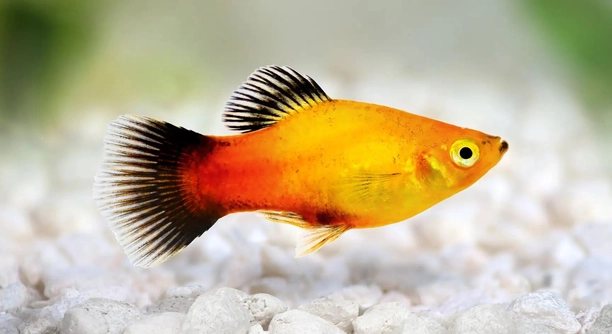
Are your feeding routines for your platies starting to feel a bit tedious or messy, making daily care harder than it should be?
The easiest way to make platy care more manageable is by using practical feeding tools designed to save time, reduce waste, and keep the tank cleaner. These tools support consistent feeding routines and help maintain better water quality.
Each tool on this list offers a specific benefit, helping you simplify feeding and care for your platies more efficiently.
Floating Feeding Ring
Floating feeding rings help keep food in one place, preventing it from spreading across the tank. This makes it easier for your platies to find their food and reduces the mess. These rings float on the surface and keep flakes or pellets contained in a specific area. This helps control feeding, reduces waste, and limits how much uneaten food drops to the bottom. It also helps prevent clogging your filter or dirtying the water. You won’t need to chase floating flakes across the tank or worry about your platies missing their food. Feeding becomes quicker, easier, and cleaner.
Using a feeding ring also encourages a calm feeding routine. Your platies learn where to expect their food and gather at that spot.
Many platy keepers like how simple it is to drop food directly into the ring. It makes feeding more predictable and helps maintain better water conditions in the long run.
Automatic Fish Feeder
An automatic feeder dispenses food at scheduled times, which ensures your platies are fed even when you’re not home.
These feeders are especially useful for those with busy routines or frequent travel plans. You can program the amount and timing of feedings to match your platies’ needs. This consistency helps prevent overfeeding and supports healthy tank conditions. Automatic feeders come in various styles, from simple battery-operated models to more advanced digital options. Many include adjustable compartments, allowing you to portion different types of food. While it’s still important to check the device regularly, it saves time and effort each day. It also reduces the chance of skipped meals or feeding errors. Some models even allow you to feed several times a day in small amounts, which is ideal for platies. This tool is also helpful when integrating other feeding routines like supplements or treats. With proper setup, it adds reliability and ease to your platy care routine.
Feeding Tongs
Feeding tongs are helpful when offering freeze-dried or live foods. They allow you to place food directly where your platies can reach it, avoiding waste and keeping the tank cleaner. This tool also gives you more control over feeding portions.
Tongs are especially useful when feeding bloodworms or brine shrimp. They let you gently lower the food near your platies without letting it float away or fall into the filter. This targeted feeding method helps shy or slow eaters get their fair share without being pushed aside. Tongs also help keep your hands out of the tank, which limits stress for the fish and avoids water contamination. Some models come with soft tips to protect delicate food and prevent damage. If you want a more hands-on way to ensure your fish eat well without the mess, tongs are an easy and clean solution that fits right into daily care.
Using feeding tongs can also help you monitor your platies more closely during mealtime. You can see which fish are eating, how much they’re taking in, and notice changes in behavior. This makes it easier to catch early signs of stress or illness. Tongs give you a direct view of their feeding habits while keeping things neat and controlled.
Sinking Feeding Cone
Sinking feeding cones are designed for delivering sinking pellets or live worms. They keep food in one place and slow the pace of feeding. This helps reduce overeating, makes feeding more structured, and keeps your tank cleaner with less leftover food scattered around.
These cones are especially effective for live or wriggly foods like blackworms. Instead of releasing food freely into the tank, the cone holds it in a central spot, allowing your platies to nibble at a steady pace. This method encourages natural feeding behavior and keeps them more engaged. It also prevents food from sinking into the gravel and getting trapped, which can affect water quality. Feeding cones reduce competition at feeding time by providing equal access to food. Some models can be attached to the tank wall or placed on the substrate. They’re simple to use, easy to clean, and make it easier to control portions.
Feeding Block
Feeding blocks slowly release food over time, making them useful when you’re away. They dissolve gradually in water and provide a steady food supply. This helps prevent overfeeding and supports consistent nutrition while you’re not able to feed them directly.
These blocks are easy to use—just drop one in and let it work. They’re ideal for short trips or busy days. Some are designed to last a few days, while others cover an entire week. They also reduce food waste by controlling how much is released at once.
Feeding Pipette
A feeding pipette lets you target specific platies during feeding. This is especially useful for weak or recovering fish. You can control how much food they get and place it right where they need it.
Food Storage Container
Keeping food dry and sealed helps it stay fresh longer. A good storage container protects flakes or pellets from moisture and contamination. It also keeps your feeding area more organized and makes it easier to measure out the right amount each time.
FAQ
How often should I feed my platies?
Platies do best with small feedings two to three times a day. Overfeeding can lead to water quality issues and health problems, so it’s better to give them small portions they can finish in a few minutes. Feeding consistently each day helps create a healthy routine and supports proper digestion.
What type of food should I use for platies?
A balanced diet for platies includes high-quality flakes or micro pellets as a staple. You can also add variety with freeze-dried bloodworms, brine shrimp, or blanched vegetables like zucchini or spinach. Including both protein and plant-based food supports their energy levels, color, and long-term health.
Can I mix different feeding tools?
Yes, using more than one feeding tool can improve care. For example, you might use a floating ring for flakes in the morning and a sinking cone for live food in the evening. Mixing tools lets you adjust how food is delivered and meet different needs without much extra effort.
Do automatic feeders work with all types of food?
Automatic feeders work well with dry foods like flakes, pellets, or granules. They don’t handle moist or frozen food properly, as those can clog the mechanism. If you’re using soft or wet foods, it’s better to feed manually or use tools like tongs or pipettes for better control.
Is it okay to skip a feeding?
Healthy adult platies can safely go a day without food now and then. Skipping a feeding once in a while won’t harm them and can even help prevent overfeeding. However, young or sick fish may need more regular feeding to support growth or recovery.
How can I tell if I’m overfeeding my platies?
If uneaten food collects on the bottom or your water looks cloudy, you may be feeding too much. Platies should eat everything you give them within a couple of minutes. Try reducing the portion or feeding fewer times a day and monitor your water for changes.
What’s the benefit of feeding tools over hand feeding?
Feeding tools help you control portions, reduce waste, and keep the tank cleaner. Tools like rings, cones, or pipettes limit where the food goes, helping avoid clogging filters or dirtying gravel. They also make feeding easier when you’re in a hurry or want more precision.
Can I feed my platies live food every day?
Live food like brine shrimp or blackworms is nutritious, but it’s best to rotate it with flakes or pellets. Daily live feedings can be messy and may affect water quality. Stick to offering live food a few times a week for variety and enrichment.
Should I remove leftover food after feeding?
Yes, any food not eaten within five minutes should be removed. Leftover food decays quickly and releases ammonia, which can harm your fish and stress the filter. A small net or siphon makes it easier to clean up uneaten bits after feeding time.
What size feeding tool is best for platies?
Most platy-sized feeding tools are small and easy to handle. Look for rings or cones designed for community tanks or small species. Avoid tools made for larger fish, as they might dispense too much food or be harder for platies to use effectively.
How do I store fish food properly?
Keep food in a cool, dry place and store it in an airtight container. Exposure to moisture, light, or heat can cause it to spoil or lose nutrients. Using a sealed container keeps food fresh and helps prevent contamination from pests or bacteria.
Is it okay to feed at different times each day?
It’s better to feed your platies around the same times daily. Fish adapt to routines and often swim to the top around feeding time. If your schedule shifts occasionally, it’s fine, but try to keep feeding times consistent to reduce stress.
What should I do if my platies stop eating?
Check your water parameters first—poor water quality can cause appetite loss. Also, monitor for signs of illness like lethargy or bloating. If the water is clean and the fish seem healthy, try offering a different type of food or using a pipette to place food directly in front of them.
Final Thoughts
Caring for platies becomes easier when you use the right feeding tools. Each tool offers a clear benefit that supports cleaner feeding, more accurate portions, and better water conditions. Whether it’s a floating ring that keeps flakes in place or an automatic feeder that handles daily meals, these tools simplify your routine without adding stress. Feeding can be quick and controlled, and your platies can eat at a steady pace without extra mess in the tank. This helps keep the environment healthy while also saving you time during your daily care tasks.
Using feeding tools also gives you more consistency. Tools like cones and tongs allow for more focused feeding and help reduce waste. Over time, this can improve your tank’s water quality and reduce the need for frequent cleaning. You’ll also notice how your platies begin to expect food in certain areas, making feeding time feel more organized. Being able to portion out food more accurately also reduces the chance of overfeeding, which is important for your fish’s health and for keeping your water balanced. These small changes help maintain a steady, low-stress environment for both you and your fish.
Even if you don’t use all seven tools, adding just one or two to your routine can make a noticeable difference. You might start with a feeding ring or pipette and later add an automatic feeder or storage container. What matters most is choosing what works best for your tank size, feeding habits, and schedule. By making small adjustments with the help of these tools, you create a more balanced and easy-to-manage care system. With less waste, fewer feeding errors, and more control, you can focus more on enjoying your platies and less on fixing feeding issues.

Hello,
If you enjoy the content that we create, please consider saying a "Thank You!" by leaving a tip.
Every little bit helps us continue crafting quality advice that supports the health, happiness, and well-being of pets around the world, for pets of all shapes, sizes, and species.
We really appreciate the kindness and support that you show us!