
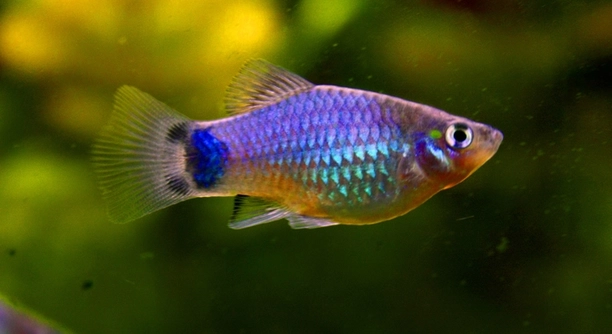
Platies are popular freshwater fish known for their vibrant colors and peaceful nature. Many owners notice their platy suddenly flaring its fins without an obvious reason. This behavior can seem puzzling but is quite common in these fish.
Platy fish flare their fins randomly as a natural response to environmental stimuli, such as establishing territory, signaling dominance, or reacting to changes in their surroundings. This fin-flaring is a form of communication and stress management within their habitat.
Understanding why your platy behaves this way helps you better care for its environment and wellbeing. The following details explain these behaviors and what they mean for your fish’s health.
Reasons Why Platies Flare Their Fins
Platies flare their fins for several reasons. One common cause is establishing territory. Even though platies are peaceful, they still claim space and show dominance by spreading their fins to appear larger. This behavior helps reduce actual fights among fish. Another reason is during mating displays; males often flare fins to attract females and compete with other males. Additionally, platies may flare their fins in response to sudden changes in their environment, such as new tank mates or shifts in water conditions. Stress or discomfort can also trigger this behavior, signaling that the fish feels threatened or uneasy. Observing your platy’s environment closely can reveal what might be causing this reaction. Knowing these triggers helps ensure your fish remains calm and healthy by adjusting tank conditions or social groupings as needed.
Fin flaring can also be a natural communication tool, not always related to aggression or stress.
Watching the interactions and tank setup carefully allows you to respond appropriately to your platy’s needs and promote a peaceful habitat.
How to Manage and Respond to Fin Flaring
Monitoring your platy’s behavior is essential for maintaining its wellbeing. When fin flaring appears frequently or aggressively, it may indicate stress, overcrowding, or poor water quality. Ensuring the tank size is adequate and maintaining stable water parameters helps reduce stress. Removing overly aggressive tank mates can also improve the situation. Adding plants or hiding spots provides a sense of security, allowing platies to feel safe and less likely to flare defensively. Feeding your fish a balanced diet supports their health, indirectly reducing stress behaviors. If fin flaring happens occasionally and without signs of harm, it generally requires no intervention. However, consistent or intense fin flaring should prompt a review of tank conditions and fish compatibility. Taking these steps can create a calmer environment and reduce unnecessary displays.
Common Triggers for Fin Flaring
Platies often flare their fins in response to nearby fish. Sudden movements or unfamiliar tank mates can cause this reaction. Changes in water temperature or quality also trigger fin flaring. Recognizing these triggers helps maintain a stable environment for your fish.
Sudden introductions of new fish can startle platies, causing them to flare defensively. Even peaceful fish moving quickly nearby may prompt this display. Water quality issues such as fluctuating pH or ammonia spikes create discomfort, leading to stress behaviors including fin flaring. Maintaining consistent tank conditions and gradual introductions reduces these triggers.
Observing your platy’s behavior regularly allows you to spot when environmental changes are causing distress. Adjusting tank mates, improving filtration, and keeping water parameters stable are key steps. Creating a calm setting limits unnecessary stress responses and promotes healthier interactions among fish.
When Fin Flaring Becomes a Concern
Persistent fin flaring may indicate stress or illness. If your platy flares constantly, look for signs of aggression or disease. Early detection is important for preventing harm.
Stress caused by overcrowding or incompatible tank mates often results in repeated fin flaring. Illnesses like fin rot or parasites can also cause discomfort, prompting flaring as a distress signal. In these cases, it is important to check water conditions and observe other symptoms such as discoloration, lethargy, or torn fins. Acting promptly by isolating affected fish or treating the tank helps prevent worsening health problems and restores peace to the aquarium.
How Tank Size Affects Fin Flaring
A small tank can increase fin flaring because fish feel cramped and stressed. More space helps platies swim freely and reduces territorial behavior.
Overcrowding leads to constant competition for space, which causes frequent fin flaring. Providing at least 10 gallons per platy helps keep aggression low.
Importance of Water Quality
Poor water quality is a major factor in fin flaring. High ammonia, nitrites, or sudden changes in pH stress platies. Regular testing and water changes maintain a healthy environment. Clean water reduces stress and lowers the chance of fin flaring caused by discomfort or illness.
Using Plants and Decorations
Adding plants and decorations offers hiding spots, helping platies feel secure. This lowers stress and fin flaring.
Feeding and Nutrition
A balanced diet supports your platy’s health and calm behavior. Proper nutrition can reduce stress-related fin flaring.
FAQ
Why does my platy flare its fins when I approach the tank?
Platies can be sensitive to movement near their tank. When you get close, they may flare their fins as a defensive response or to show alertness. This behavior helps them appear larger to potential threats. It does not mean your fish is aggressive toward you. Over time, your platy may get used to your presence and flare less frequently.
Is fin flaring a sign of aggression between platies?
Fin flaring can be a form of mild aggression, mostly related to establishing territory or dominance, especially among males. However, it usually does not lead to fights if the tank is large enough and the environment is stable. If you notice chasing or nipping alongside fin flaring, it could indicate more serious aggression that needs attention.
Can fin flaring damage my platy’s fins?
Fin flaring itself does not damage fins, but if it occurs alongside fighting or stress, it may contribute to fin wear or tearing. Watch for signs of fin rot or injury. Keeping the tank clean and minimizing stress reduces the risk of fin damage related to flaring.
How often is fin flaring normal?
Occasional fin flaring is normal and part of typical fish behavior. Frequent or constant flaring, especially if paired with other signs of stress, may indicate problems with the tank environment or social dynamics.
Can fin flaring be reduced by changing tank mates?
Yes, incompatible or aggressive tank mates can cause platies to flare their fins more often. Introducing peaceful species and avoiding overcrowding helps reduce stress and fin-flaring behaviors.
Does water temperature affect fin flaring?
Sudden changes in water temperature can stress platies and cause them to flare their fins. Maintaining a stable temperature within the recommended range (around 72-78°F) helps keep your fish comfortable and less prone to stress behaviors.
Should I separate fish that constantly flare their fins?
If fin flaring leads to aggression or injury, separating the fish may be necessary. Otherwise, it is better to improve tank conditions or rearrange decorations to reduce conflicts rather than isolating platies unnecessarily.
Is fin flaring related to breeding behavior?
Male platies often flare their fins during mating displays to attract females and warn other males. This is a natural and healthy behavior during breeding periods and usually does not indicate aggression.
Can diet influence fin flaring?
A poor diet may weaken your platy’s immune system, making it more susceptible to stress and illness, which can increase fin-flaring behavior. Feeding a balanced diet rich in nutrients supports overall health and calmer behavior.
How do I know if fin flaring is caused by illness?
Look for additional signs like lethargy, loss of appetite, discoloration, or damaged fins. If fin flaring is combined with these symptoms, illness may be the cause, and prompt treatment is required.
Are there any tank decorations that help reduce fin flaring?
Yes, plants and hiding spots help platies feel secure. These provide areas to retreat, reducing stress and the need to flare fins defensively.
Can fin flaring be a reaction to water flow or filtration?
Strong currents or aggressive filtration can stress platies, causing fin flaring. Adjusting flow rates or rearranging equipment may help create a calmer environment.
Does lighting affect fin flaring?
Bright or sudden lighting changes can startle platies and trigger fin flaring. Using gentle, consistent lighting and providing shaded areas helps minimize stress responses.
What is the difference between fin flaring and fin clamping?
Fin flaring is when a fish spreads its fins wide, often as a display. Fin clamping is when fins are held close to the body, usually indicating stress or illness. Both behaviors provide clues about a fish’s wellbeing.
Can I train my platy to flare less?
With patience and consistent calm interaction, platies may become accustomed to your presence and flare less. Avoid sudden movements and loud noises near the tank to reduce stress.
Final Thoughts
Fin flaring is a natural behavior for platies and serves several important purposes. It is often a way for them to communicate with other fish, whether to establish territory, show dominance, or attract a mate. This behavior is common and usually not a cause for concern when it happens occasionally. Understanding why your platy flares its fins helps you provide a better environment that meets its needs. Watching your fish closely can give you clues about when the flaring is normal or when it signals stress or discomfort.
Keeping the tank environment stable and comfortable is key to reducing unnecessary fin flaring. Proper tank size, water quality, and compatible tank mates all contribute to a peaceful habitat where platies feel secure. Adding plants and decorations offers hiding places and reduces territorial disputes. Maintaining a balanced diet supports your platy’s health, which also helps prevent stress-related behaviors. If you notice frequent or aggressive fin flaring, it is important to review these factors carefully. Addressing any issues early can prevent more serious problems and keep your fish happy.
Overall, fin flaring is a part of platy behavior that reflects their interaction with their surroundings. While it may look like a sign of aggression at times, it usually serves a different purpose such as communication or coping with changes. By ensuring proper care and attention to your platy’s environment, you can help reduce stress and create a peaceful aquarium. Learning to recognize the reasons behind fin flaring allows you to respond in ways that promote your fish’s wellbeing and longevity.

Hello,
If you enjoy the content that we create, please consider saying a "Thank You!" by leaving a tip.
Every little bit helps us continue crafting quality advice that supports the health, happiness, and well-being of pets around the world, for pets of all shapes, sizes, and species.
We really appreciate the kindness and support that you show us!