
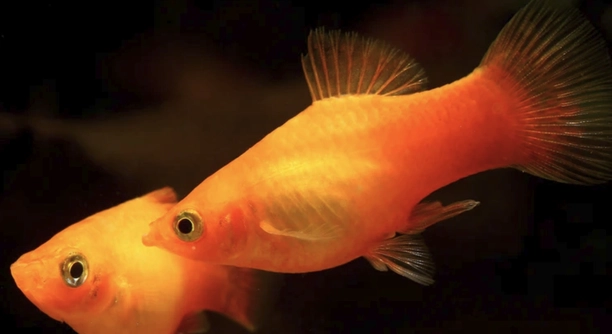
Platies are popular freshwater fish known for their bright colors and peaceful nature. Many fishkeepers enjoy watching their behavior in home aquariums. Observing how platies react to their environment can reveal interesting details about their senses and habits.
Platies have the ability to sense changes in barometric pressure through specialized cells that detect pressure fluctuations. These changes often affect their swimming patterns and activity levels as part of their natural response to environmental shifts.
Understanding how platies react to pressure changes can help aquarium owners create a stable environment that supports their well-being and natural behavior.
How Platies Detect Barometric Pressure Changes
Platies detect barometric pressure changes through sensory organs called the lateral line system. This system runs along the sides of their bodies and helps them sense vibrations and pressure differences in the water. When the atmospheric pressure drops, it causes slight changes in the water pressure that platies can detect. This awareness helps them prepare for weather shifts or disturbances in their environment. For example, before a storm, platies may become less active or seek shelter, reacting to the pressure change. These responses are natural survival mechanisms seen in many fish species. Observing these behaviors in home aquariums can give insight into their sensitivity. Understanding this can improve how you care for platies, ensuring their habitat remains stable during weather changes.
Their lateral line system plays a critical role in detecting pressure changes and helping platies adjust their behavior.
The lateral line system is essential for platies’ survival. It consists of tiny sensory cells that pick up on pressure waves and movements in the water. These signals are sent to the brain, triggering behavioral changes. This system allows platies to respond quickly to predators, find food, and navigate their environment safely. When barometric pressure shifts, the lateral line alerts them, causing subtle changes in swimming or hiding behavior. Recognizing these signs can help aquarium owners understand when their fish are experiencing stress. Maintaining consistent water conditions and avoiding sudden disturbances can reduce stress linked to pressure changes. Keeping this system in mind supports healthier and more comfortable platies.
Effects of Barometric Pressure Changes on Platies
Changes in barometric pressure can influence platies’ activity and feeding habits.
When barometric pressure drops, platies often reduce their movement and feeding as a response to potential threats like storms. This behavior is natural and helps conserve energy. Some platies may hide more often or stay near the bottom of the tank. Conversely, when pressure rises, they tend to be more active and feed normally. Aquarium owners may notice these patterns as subtle behavioral shifts. Recognizing this can help you avoid unnecessary concern and adjust care routines to support your platies during these times. Understanding these effects ensures platies remain healthy and comfortable in changing conditions.
How to Monitor Barometric Pressure for Your Aquarium
Monitoring barometric pressure helps you understand your platies’ behavior changes. A simple barometer can track daily pressure shifts. This information allows you to anticipate when your fish might act differently or feel stressed.
Using a digital or analog barometer near the aquarium is effective. Check it regularly to observe trends in pressure changes. Noticing drops in pressure can prepare you to minimize disturbances like loud noises or sudden water changes. Consistent monitoring helps maintain a calm environment, reducing stress on your platies during unstable weather periods. Keeping track also improves your overall fish care routine.
Many aquarium owners find it helpful to keep notes on barometric pressure and fish behavior. This practice builds awareness of patterns, allowing better adjustments in feeding and tank maintenance. Over time, you’ll become more confident in managing your platies’ comfort around pressure changes.
Preparing Your Aquarium for Weather Changes
Stable water conditions are key during barometric shifts. Regularly check temperature, pH, and oxygen levels to prevent stress on platies.
Before a storm or pressure drop, avoid major tank changes. Sudden water changes or adding new fish can increase stress. Instead, focus on maintaining clean water and proper filtration. If possible, keep the aquarium away from windows or drafts that might cause temperature fluctuations. Using a heater or cooler helps regulate the environment. These steps support your platies’ health and reduce the impact of weather-related pressure changes.
Signs Your Platies Are Reacting to Pressure Changes
Platies may swim slower or hide more when barometric pressure drops. These subtle signs indicate they are sensing changes.
They might also reduce feeding or stay near plants and decorations. Watching for these behaviors helps you understand their comfort level and adjust care accordingly.
How to Reduce Stress in Platies During Pressure Drops
Maintaining a calm environment is important when platies react to pressure changes. Avoid loud noises, sudden movements, and frequent water changes during these times. Providing plenty of hiding spots and keeping lighting soft can help them feel secure. Consistent feeding schedules also reduce stress.
Impact of Barometric Pressure on Breeding Behavior
Lower pressure may delay spawning or reduce activity during mating periods. This natural reaction helps protect eggs and fry until conditions improve.
Using Technology to Support Your Aquarium
Smart sensors and automated systems can track water quality and pressure changes, helping maintain stable conditions.
FAQ
Can platies sense barometric pressure changes?
Yes, platies can sense changes in barometric pressure through their lateral line system. This sensory organ detects pressure differences and vibrations in the water. When atmospheric pressure changes, it affects the water pressure, triggering behavioral responses in platies. These changes help them react to environmental shifts such as approaching storms.
How do platies behave when barometric pressure drops?
Platies tend to become less active when barometric pressure falls. They may swim slower, hide more often, or reduce their feeding. This behavior is a natural survival response, conserving energy and avoiding danger during unstable weather or environmental conditions.
Does barometric pressure affect platies’ health?
While short-term pressure changes usually do not harm platies, prolonged stress from frequent fluctuations can weaken their immune system. Stress may lead to illness or poor growth. Maintaining a stable environment and monitoring pressure changes helps minimize these risks.
How can I help my platies during pressure changes?
To support your platies, avoid sudden changes in the tank like large water changes or adding new fish during pressure drops. Keep water temperature, pH, and oxygen levels steady. Providing hiding places and maintaining a calm environment reduces stress.
Are all fish sensitive to barometric pressure?
Not all fish have the same sensitivity to barometric pressure, but many species with a lateral line system, including platies, are affected. Some fish show clear behavioral changes, while others may respond less noticeably. Understanding your specific fish species’ needs is important.
Can barometric pressure changes affect platies’ breeding?
Yes, barometric pressure changes can influence breeding behavior. Lower pressure may cause platies to delay spawning or reduce activity to protect eggs and fry. Stable conditions encourage healthier breeding cycles.
Is it necessary to monitor barometric pressure for home aquariums?
Monitoring barometric pressure is helpful but not always necessary. It becomes useful if you notice behavioral changes linked to weather shifts. Using a barometer can guide adjustments to tank care, helping keep fish stress-free.
What equipment can help manage pressure-related stress in platies?
Using a barometer near the aquarium helps track atmospheric pressure changes. Additionally, smart sensors for water temperature, pH, and oxygen levels keep conditions stable. Automated filtration and heating systems reduce sudden fluctuations, supporting a healthy environment.
Can I prevent platies from reacting to barometric pressure?
Completely preventing reactions isn’t possible since sensing pressure is natural for platies. However, minimizing other stressors and maintaining consistent tank conditions help reduce their overall stress. This support allows them to handle pressure changes more comfortably.
Do pressure changes cause illness in platies?
Pressure changes themselves do not cause illness directly. Stress caused by frequent or extreme fluctuations can weaken the immune system, making platies more vulnerable to infections. Good care and stable water quality are key to preventing illness.
How quickly do platies respond to pressure changes?
Platies can respond to pressure changes within minutes to hours. Their lateral line system detects subtle shifts, triggering immediate behavioral adjustments like reduced activity or hiding. Monitoring these signs helps in timely tank management.
Are there signs that indicate severe stress from pressure changes?
Severe stress signs include lethargy, loss of appetite, erratic swimming, or visible physical changes like faded colors. If these symptoms persist, it may indicate ongoing environmental issues requiring attention.
Can temperature changes affect how platies react to pressure?
Yes, temperature fluctuations can increase stress during pressure changes. Sudden drops or rises in temperature worsen the effects of pressure shifts, so stable temperature control is essential for platies’ well-being.
What’s the best way to create a pressure-stable environment for platies?
Maintaining consistent water parameters, avoiding sudden tank changes, and monitoring external weather conditions help create a stable environment. Using aquarium heaters, filters, and covering tanks away from drafts supports stable conditions.
Should I adjust feeding when barometric pressure changes?
During low pressure, platies may eat less naturally. It’s best to reduce feeding slightly to avoid overfeeding and water quality issues. Return to normal feeding once their activity picks up again. Observing their behavior helps guide feeding amounts.
Platies are small, colorful fish that bring life to any freshwater aquarium. Understanding how they respond to their environment is important for their care. One key aspect is their ability to sense changes in barometric pressure. This natural ability helps them adjust their behavior in response to weather changes or shifts in their surroundings. Recognizing these reactions allows aquarium owners to provide better care by creating a stable, comfortable habitat for their fish.
When barometric pressure drops, platies may slow down, hide more, or reduce their feeding. These behaviors are normal and part of how they protect themselves during potentially stressful conditions. It is important not to overreact to these changes but instead focus on maintaining stable water quality and minimizing disturbances. Simple actions like avoiding sudden water changes, keeping consistent temperature, and reducing noise around the tank can make a big difference. Providing hiding places also helps platies feel safe and less stressed.
Overall, paying attention to how platies respond to barometric pressure changes improves their well-being. By monitoring pressure trends and adjusting tank care accordingly, aquarium owners can support their fish through natural environmental shifts. Understanding these behaviors helps prevent unnecessary worry and promotes healthier fish. Creating a calm, stable environment allows platies to thrive and show their best colors and activity levels. This knowledge is a valuable part of responsible fishkeeping.

Hello,
If you enjoy the content that we create, please consider saying a "Thank You!" by leaving a tip.
Every little bit helps us continue crafting quality advice that supports the health, happiness, and well-being of pets around the world, for pets of all shapes, sizes, and species.
We really appreciate the kindness and support that you show us!