
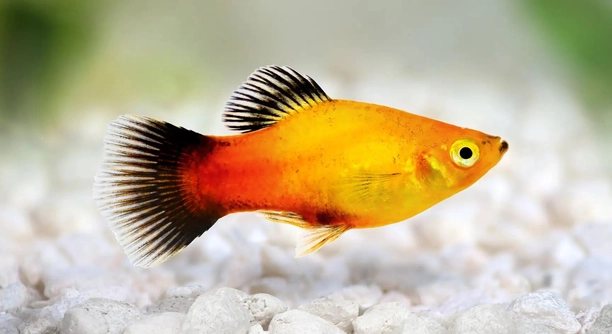
Are your platies becoming aggressive or chasing other fish around the tank, leaving you unsure of how to calm things down?
Territorial behavior in platies can be reduced through proper tank size, ideal male-to-female ratios, hiding spots, and consistent environmental conditions. Ensuring a peaceful environment helps lower stress and supports balanced interactions among all tank inhabitants.
Simple adjustments to your tank setup and care routine can make a big difference in how your platies behave with each other.
Provide Enough Space in the Tank
Platies can become territorial when space is limited. A small tank leads to stress, aggression, and constant chasing. It’s best to keep them in at least a 20-gallon tank, especially if you’re housing several. This gives each fish enough room to establish its own swimming area. Crowded tanks increase competition for food, hiding spots, and attention. When there is not enough space, dominant fish often try to control sections of the tank, which triggers fights. A larger tank allows more movement and helps balance social interactions. Include plants, rocks, or decorations that create visual barriers. These not only enhance the tank’s appearance but also help reduce direct line-of-sight, which can ease aggressive behavior. The more structure you provide, the less likely your platies are to compete for territory. A well-planned tank layout can dramatically lower tension and make your aquarium a calmer place for all your fish.
A spacious, well-decorated tank can reduce aggressive outbursts by giving each platy enough space to feel secure.
Choosing the right tank size early on helps you avoid long-term behavioral problems. Many owners find that their platies interact more peacefully once they’ve upgraded to a larger tank. It also improves overall water quality, benefiting all fish in the setup.
Maintain the Right Male-to-Female Ratio
Too many male platies in one tank can quickly lead to territorial squabbles. A 1:2 or 1:3 male-to-female ratio works best.
Male platies often become aggressive when competing for attention from females. If you have several males and too few females, the males will chase, nip, and guard certain areas of the tank. This puts constant stress on all the fish. A more balanced male-to-female ratio spreads out attention and eases tension. Females will feel less harassed, and males will not feel the need to dominate certain zones as much. You can also reduce aggression by selecting more peaceful platy varieties or keeping only one male if the space is limited. Watching your fish for signs of distress—like hiding, torn fins, or rapid swimming—can alert you to issues early. Adjusting the ratio often makes a noticeable difference within a few days. It’s a simple but effective step to encourage a more relaxed, social environment in your tank.
Add Hiding Spots and Visual Barriers
Platies feel less stressed when they have places to hide. Live plants, caves, and decorations create small spaces that offer security. These areas break up sightlines, reduce chasing, and make each fish feel more comfortable in its own space.
Adding hiding spots and decorations can change how your fish interact. When platies can’t constantly see each other, there’s less need to defend a certain area. Use tall plants to divide the tank vertically, and include horizontal barriers like driftwood or flat stones. These help create natural zones within the aquarium. It’s important to avoid cluttering the space completely—leave room for swimming. Balanced tank layouts give timid fish places to retreat and let dominant ones cool down. You’ll notice fewer territorial displays and more relaxed behavior within a few days of adding cover. This change is especially helpful in tanks with a slightly higher number of male platies.
Besides reducing aggression, hiding spots support healthy group dynamics. Fish feel safer when they can escape attention for short periods. Even dominant platies benefit from places to rest without having to guard open space. It’s also easier for weaker fish to eat and move freely. This setup lowers stress and encourages more natural behavior overall.
Reduce Reflection and External Stress
Sometimes platies become territorial due to their own reflection. Bright lights or a tank near a mirror can cause fish to think another platy is invading.
If your fish is flaring up near the glass, check the lighting around the tank. Try dimming the light or adjusting the background color. A light-colored or matte background often helps absorb reflections. Turning off lights near the tank in the evening can also reduce this issue. You can tape paper or a solid background on the sides or back of the tank to block reflections completely. This keeps your fish from reacting to what it sees as a threat. Loud noises, sudden movements, or nearby pets can also stress platies and lead to defensive behavior. Reducing these outside triggers helps them settle down and behave more peacefully. These changes may seem small, but they often have a big impact.
Feed at the Same Time Each Day
Feeding your platies at the same time every day helps reduce stress. When fish know when to expect food, they become less competitive and calmer around feeding time. Consistency lowers aggressive behavior linked to food guarding or chasing.
Use floating flakes or sinking pellets to spread food across the tank. This gives all your fish a chance to eat and reduces crowding in one area. Feeding in different spots also helps distract territorial fish and balances out their activity.
Remove Aggressive Fish if Necessary
If one platy continues to be aggressive despite changes, it may need to be separated. Some individuals develop strong dominance patterns that disrupt the tank. You can move the fish to a different setup or keep it in a temporary isolation container within the same tank. Watch how the group reacts after removal. If the tension drops, the aggressive fish likely caused most of the trouble. Reintroduction should be gradual and only if behavior improves. Sometimes, permanent separation is the best solution. It’s important to act early before stress affects the health of other fish in the tank.
Avoid Overcrowding
Too many fish in one tank increases competition for space and food. This often leads to more chasing, fin nipping, and stress-related behavior. Keep your stocking levels balanced to promote peaceful interactions.
FAQ
Why are my platies so territorial all of a sudden?
Sudden territorial behavior can happen because of changes in the tank environment or social structure. New fish added, changes in water quality, or shifts in the number of males and females can trigger stress. Platies may become aggressive if they feel crowded or if hiding spots disappear. Also, reflections on the glass or bright lighting can cause fish to mistake their own image for an intruder. It’s important to review recent changes and ensure the tank conditions are stable. Gradually fixing these factors usually calms the fish down.
Can territorial behavior harm my platies?
Yes, prolonged aggression can lead to injuries such as torn fins, bruises, and increased stress levels. Constant chasing can weaken fish, making them more vulnerable to diseases. Stress lowers the immune system, reducing the fish’s ability to fight infections. Over time, aggressive behavior can affect growth and lifespan. It’s essential to intervene early to prevent harm and keep your platies healthy. Providing adequate space, hiding spots, and a balanced male-to-female ratio can reduce the risk of injury and stress-related illness.
How can I tell if the tank is too small for my platies?
Signs of a crowded tank include frequent chasing, hiding, and rapid swimming. If your platies seem stressed or display aggressive behavior more often, space may be the issue. Limited swimming room restricts natural behavior, causing fish to compete for territory and resources. A tank under 20 gallons with multiple platies usually needs to be upgraded. Remember, more fish require more space to reduce competition. Adding plants and decorations can help, but they cannot replace the need for proper tank size.
Is it okay to keep only male or only female platies?
While it’s possible to keep all males or all females, each group has its own challenges. Male-only tanks can become aggressive due to competition for dominance. Female-only groups are usually more peaceful but may show some territorial behavior. Mixed groups with more females than males tend to be the most balanced and less aggressive. Choosing the right ratio is key to reducing territorial disputes and ensuring harmony among your fish.
What types of decorations work best to reduce territorial fights?
Dense live plants, rock caves, and driftwood create ideal hiding spots and visual barriers. These decorations break up open swimming areas and give fish places to retreat. Tall plants help divide the tank vertically, while broad rocks and logs add horizontal cover. Avoid overcrowding the tank with too many decorations, as this reduces swimming space and can increase stress. The goal is to create a natural environment that offers security without limiting movement.
How often should I feed my platies to reduce aggression?
Feeding once or twice daily at consistent times helps reduce food-related aggression. Regular feeding schedules condition your fish to expect food, lowering competition. Spread food throughout the tank to prevent dominant fish from guarding a single spot. Avoid overfeeding, as leftover food can pollute the water and increase stress. Balanced nutrition combined with a feeding routine supports calm behavior during mealtime.
Can water quality affect territorial behavior?
Poor water quality causes stress, which increases aggression among platies. High ammonia, nitrite, or nitrate levels irritate fish and disrupt normal behavior. Keeping the tank clean with regular water changes and proper filtration helps maintain stable conditions. Stable water parameters promote a healthy environment where fish are less likely to act aggressively. Regular testing and maintenance are important to avoid stress-induced territorial disputes.
Is separating aggressive platies a long-term solution?
Separating aggressive individuals can provide immediate relief, but it’s not always a permanent fix. If the tank conditions remain unchanged, other fish might start showing similar behavior. Separation should be combined with adjustments like tank size, male-to-female ratio, and hiding spots. Use isolation as a temporary step while improving the overall environment. Monitor behavior after reintroduction carefully to prevent repeated aggression.
Can reflections in the tank cause platy aggression?
Yes, reflections can trick platies into seeing a rival in the glass. They may flare fins, chase, or guard territory aggressively. Reducing reflections by adjusting lighting or adding a solid background helps prevent this. Covering tank sides or placing the aquarium away from mirrors or bright lights can also minimize this problem.
How quickly can territorial behavior be reduced after making changes?
Behavior often improves within days to a week after adjusting tank conditions. Adding space, decorations, or balancing the male-to-female ratio usually shows quick results. However, some fish take longer to calm down depending on personality and previous stress. Patience and consistent care are important during this period to maintain a peaceful tank environment.
Final Thoughts
Managing territorial behavior in platies requires careful attention to their environment and social needs. Small changes, such as increasing tank size or adjusting the number of males and females, can have a big impact on how peaceful your fish are. Providing hiding spots and reducing reflections can also help your platies feel more secure. Each of these steps works together to create a calmer and healthier aquarium. When fish feel safe and less crowded, they are less likely to act aggressively.
It is important to monitor your platies regularly to catch any signs of stress or aggression early. Look for chasing, torn fins, or fish hiding more than usual. These behaviors may indicate that something in the tank needs adjustment. Water quality also plays a key role. Clean water with stable conditions reduces stress and helps keep your fish healthy. Consistent feeding routines and spreading food evenly in the tank lower competition during mealtime. These simple routines support peaceful interactions and reduce the chance of territorial fights.
If problems continue despite your efforts, separating aggressive fish may be necessary. Sometimes individual personalities cause ongoing stress for the group. Separating the aggressive platy can protect other fish from injury and improve the overall tank environment. Remember that patience is important when making changes. Behavior does not always improve immediately, but with steady care and attention, your platies can live together more peacefully. A balanced tank benefits all the fish and creates a more enjoyable experience for you as well.

Hello,
If you enjoy the content that we create, please consider saying a "Thank You!" by leaving a tip.
Every little bit helps us continue crafting quality advice that supports the health, happiness, and well-being of pets around the world, for pets of all shapes, sizes, and species.
We really appreciate the kindness and support that you show us!