
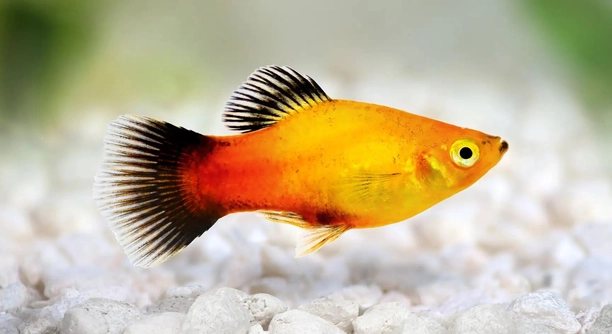
Many platies are peaceful fish that bring life to home aquariums. Sometimes, they may start swimming in small circles, which can be concerning. This unusual behavior often signals that something is off with their health or environment.
Platies swimming in small circles usually indicate a swim bladder disorder, stress, or an infection. These issues affect their balance and movement, causing them to circle repeatedly instead of swimming normally. Identifying the root cause is essential for proper treatment.
Understanding the reasons behind this behavior will help you take better care of your platy. Exploring the common causes and solutions can restore your fish’s well-being and keep your aquarium healthy.
Common Causes of Circular Swimming in Platies
Platies swimming in small circles often experience swim bladder issues. The swim bladder helps fish control their buoyancy, so any problem with it can affect how they move. Poor water quality, overfeeding, or sudden changes in diet can lead to swim bladder disorder. Infections from bacteria or parasites also affect their nervous system, causing erratic swimming. Stress is another factor, triggered by overcrowding, aggressive tank mates, or improper tank conditions. Keeping the water clean and maintaining stable parameters helps prevent these problems. Watching your platy’s behavior closely can show early signs of trouble. It’s important to isolate sick fish to avoid spreading illness. Regular water testing and balanced feeding are key steps to support your platy’s health. By addressing these common issues quickly, you can help your fish recover and return to normal swimming patterns.
Swim bladder issues are the most frequent cause of circular swimming. Stress and infections also play significant roles in this behavior.
Knowing how to spot and manage these factors will improve your platy’s quality of life and keep your tank stable.
How to Improve Your Platy’s Environment
Maintaining good water quality is crucial for your platy’s health. Regular partial water changes remove waste and toxins that build up in the tank. Testing water for ammonia, nitrites, and nitrates ensures safe levels. Avoid overcrowding the tank to reduce stress and aggression among fish. Choose peaceful tank mates that won’t harass your platy. Provide hiding places with plants or decorations to give your fish a sense of security. Feeding your platy a balanced diet in small amounts prevents overfeeding, which can cause swim bladder problems. Temperature and pH should remain consistent to avoid shocking the fish. A well-maintained environment reduces stress and lowers the risk of infections. Taking these steps helps your platy swim normally and enjoy a longer, healthier life. These adjustments create a more comfortable home for your aquatic pet and support its overall well-being.
Treating Swim Bladder Disorder
Swim bladder disorder often requires adjusting feeding habits and improving water quality. Fasting your platy for a day or two can help clear its digestive system. Feeding cooked, peeled peas may ease constipation linked to swim bladder issues.
Medication might be necessary if a bacterial infection is present. Antibiotics designed for fish can be used, but always follow instructions carefully. Keeping the tank clean and maintaining stable water parameters supports recovery. Isolating the affected platy in a quarantine tank reduces stress and prevents disease spread. Monitoring your fish’s behavior during treatment helps you know if it’s improving or if further action is needed.
Sometimes, physical injury or genetic factors cause swim bladder problems, which may require long-term care. Avoid sudden changes in diet or water conditions to prevent relapses. Patience is key, as recovery can take days to weeks depending on the severity of the condition.
When to Consult a Veterinarian
If your platy continues swimming in circles despite home care, a professional diagnosis may be needed. A veterinarian specialized in fish can provide accurate testing and targeted treatment options. They can check for hidden infections or organ damage that are not obvious from observation alone. Early intervention improves the chances of recovery and prevents worsening of symptoms. Some conditions require prescription medications or specialized care only available through vets. Consulting a professional ensures your platy receives the best possible support. Waiting too long may reduce treatment effectiveness, so timely advice is important for your fish’s health.
Preventing Swim Bladder Issues
Keeping a stable routine with feeding and tank maintenance helps prevent swim bladder problems. Avoid sudden diet changes and overfeeding, which can lead to digestive troubles. Regular water testing keeps the environment safe and stress-free for your platy.
Consistent tank conditions reduce the risk of infections and stress-related behavior. Providing plenty of space and hiding spots supports your fish’s well-being and natural behavior.
Recognizing Stress in Platies
Stress in platies can show as erratic swimming, loss of appetite, or hiding frequently. Changes in water quality, aggressive tank mates, or overcrowding are common causes. Early recognition helps you act quickly to reduce stress and protect your fish.
Proper Tank Setup for Platies
A tank of at least 10 gallons with a gentle filter is ideal for platies. Stable temperature between 72-78°F and pH around 7.0 keeps them comfortable. Adding live plants offers shelter and mimics their natural habitat.
Feeding Tips for Healthy Platies
Feed small amounts twice daily to avoid overfeeding. Use high-quality flakes or pellets with occasional treats like brine shrimp or bloodworms. A balanced diet supports overall health and swim bladder function.
FAQ
Why is my platy swimming in small circles?
Platies swim in small circles mainly due to swim bladder problems, which affect their balance. Stress, infections, or poor water conditions can also cause this behavior. Identifying the cause helps you treat your fish properly and restore normal swimming.
How can I tell if my platy has a swim bladder disorder?
Look for signs like floating upside down, sinking to the bottom, or difficulty swimming straight. Circular or spinning movements are also common. If your platy shows these behaviors consistently, it may have a swim bladder issue that needs attention.
Can diet affect my platy’s swimming behavior?
Yes. Overfeeding or feeding too many dry flakes can cause constipation, leading to swim bladder problems. Feeding a varied diet, including vegetables like peas, helps keep their digestive system healthy and supports proper buoyancy.
What water conditions are best for platies?
Platies thrive in clean water with temperatures between 72-78°F (22-26°C) and a pH near 7.0. Regular water changes and testing for ammonia, nitrites, and nitrates are essential. Stable water quality prevents stress and illness.
Should I isolate my platy if it’s swimming in circles?
Isolating a sick platy in a quarantine tank can reduce stress and prevent the spread of disease. It also makes treatment easier. Use clean, conditioned water and maintain good tank conditions to support recovery.
Can swim bladder disorder be cured?
Many cases improve with proper care like fasting, diet changes, and clean water. Infections may need antibiotics prescribed for fish. However, some injuries or genetic issues might require ongoing care. Early treatment increases chances of recovery.
What role does stress play in abnormal swimming?
Stress weakens your platy’s immune system, making it more vulnerable to infections and swim bladder issues. Stress can come from overcrowding, aggressive tank mates, or sudden environment changes. Reducing stress helps maintain healthy behavior.
How often should I feed my platy?
Feed small portions twice a day to prevent overfeeding and digestive problems. Remove uneaten food after a few minutes to keep the tank clean. Balanced feeding helps avoid swim bladder complications.
Are there specific medications for swim bladder problems?
Antibiotics or antiparasitic treatments may be needed if infections are involved. Always use fish-safe medications and follow instructions carefully. Consult a vet if unsure about the right treatment.
Can tank setup affect my platy’s swimming?
Yes, an overcrowded or poorly maintained tank causes stress and health issues. Providing at least 10 gallons of space, gentle filtration, stable temperature, and hiding spots creates a better environment for your platy.
What signs show my platy is recovering?
Improved swimming control, returning to normal activity levels, and regular eating are positive signs. Recovery may take several days or weeks depending on the problem’s severity.
How do I prevent swim bladder issues in the future?
Maintain stable water conditions, feed a balanced diet, avoid overfeeding, and reduce stress factors. Regular tank cleaning and monitoring fish behavior help catch problems early. A healthy environment supports long-term well-being.
Taking care of a platy that swims in small circles can feel confusing at first. This behavior usually means the fish is experiencing some kind of health or environmental issue. Common reasons include swim bladder problems, stress, infections, or poor water quality. Each of these factors affects the fish’s ability to swim properly and maintain balance. Recognizing the cause early makes a big difference in helping your platy get better. Paying close attention to their behavior and the conditions in the tank helps catch problems before they become serious.
Fixing the problem often starts with improving the tank environment. Keeping the water clean and stable is very important for your platy’s health. Regular water changes and testing for harmful substances like ammonia or nitrites help prevent illness and stress. Feeding your fish a balanced diet in moderate amounts supports good digestion and swim bladder function. Sometimes, a change in diet, like feeding cooked peas, can relieve constipation and help with swim bladder issues. Infections may need medication, but always be careful when using treatments and follow instructions closely. Separating the sick fish in a quarantine tank can reduce stress and protect others in the main tank.
Patience is key when dealing with swim bladder problems or other causes of abnormal swimming. Recovery can take time, and sometimes the issue may need ongoing care. Avoid sudden changes in water temperature, diet, or tank setup, as these can worsen the condition. Creating a calm, stable environment and following good tank maintenance routines give your platy the best chance to recover fully. By understanding the common causes and how to treat them, you can help your platy swim normally again and enjoy a healthy life in your aquarium.

Hello,
If you enjoy the content that we create, please consider saying a "Thank You!" by leaving a tip.
Every little bit helps us continue crafting quality advice that supports the health, happiness, and well-being of pets around the world, for pets of all shapes, sizes, and species.
We really appreciate the kindness and support that you show us!