
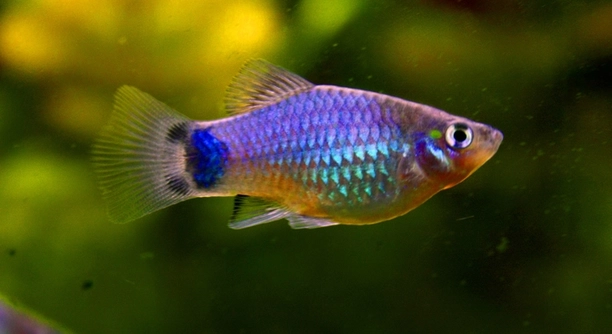
Platy fry are small, delicate fish that need clean water to grow healthy. Keeping their tank water balanced helps them avoid stress and disease. Proper care of water quality is essential for their survival and well-being.
Maintaining good water quality for platy fry involves regular water changes, controlling waste, monitoring temperature and pH, and ensuring proper filtration. These steps create a stable environment that supports growth and reduces harmful bacteria and toxins.
Following simple water care tips can make a big difference in your platy fry’s health. Learning how to manage water quality will improve their chances of thriving in your aquarium.
Regular Water Changes Are Key
Changing the water in your platy fry tank often is very important. New water helps remove waste and toxins that build up over time. Even small amounts of waste can harm fry since they are more sensitive than adult fish. A good routine is to change about 20 to 30 percent of the water every week. Using a water conditioner before adding fresh water helps remove chlorine and other harmful chemicals. Also, be sure the new water matches the tank’s temperature to avoid shocking the fry. Watching your water quality and sticking to regular changes keeps your tank healthy and the fry growing strong.
A weekly water change reduces harmful buildup and keeps conditions stable for platy fry. This simple step is essential for their survival and growth.
Remember, even if the water looks clear, toxins can still be present. Regular changes remove invisible waste, support beneficial bacteria, and keep the water fresh. This consistent care helps prevent diseases and promotes healthy development in the fry. It’s a small effort that makes a big difference.
Control Feeding and Remove Uneaten Food
Overfeeding platy fry can pollute the water quickly. Uneaten food breaks down and creates waste, which harms water quality. Feed small amounts that fry can eat within a few minutes. It’s better to feed more often with smaller portions than one large feeding. Remove any leftover food after feeding time. This reduces the chance of water fouling and keeps the tank cleaner.
Controlling feeding habits is essential to maintain clean water for your fry.
When feeding, observe how much the fry eat and adjust the portions accordingly. Platy fry have small mouths and limited stomach capacity. Giving too much food can cause uneaten particles to sink and decay, leading to higher ammonia and nitrite levels. This stresses the fry and can cause health problems or death. Using a fine mesh net or siphon can help remove leftover food and debris from the tank. Consistent care in feeding helps maintain balance in the tank’s ecosystem and supports the fry’s well-being.
Monitor Temperature and pH Levels
Platy fry need stable water temperature and pH to stay healthy. Sudden changes can stress them and slow growth. Keep the tank temperature between 74°F and 78°F, and maintain a pH around 7.0.
Using a reliable thermometer and pH test kit helps track conditions. Regular checks allow early correction of any changes. A stable environment supports strong immune systems and normal development. Sudden swings can cause shock or illness, so consistency is crucial.
If the water temperature drops or rises too much, platy fry may become sluggish or stop eating. pH swings can affect their metabolism and cause stress. Keeping these factors steady means fewer health problems and better growth rates. Adjust heaters or add buffering agents carefully to avoid sudden shifts. Monitoring these basics gives your fry the best chance to thrive.
Use Proper Filtration
Effective filtration keeps water clean by removing waste and debris. Choose a filter that creates gentle water flow since fry are small and fragile. Strong currents can tire or injure them. Sponge filters are a good choice as they provide both mechanical and biological filtration without harming fry.
Filters also support beneficial bacteria that break down harmful substances like ammonia and nitrites. This biological filtration is essential for maintaining a safe environment. Clean or replace filter media regularly to keep it working well. Avoid over-cleaning, which can remove helpful bacteria.
A well-maintained filter reduces the need for frequent water changes and keeps the tank balanced. Good filtration combined with feeding control and water monitoring creates a stable habitat. This helps platy fry grow healthy and reduces the risk of disease. Choosing the right filter and caring for it properly is a simple but vital part of tank maintenance.
Avoid Overcrowding the Tank
Too many platy fry in one tank can quickly degrade water quality. Crowding increases waste and stresses the fish. Keeping the population low helps maintain cleaner water and healthier fry.
Adequate space allows fry to swim freely and reduces competition for food. Overcrowding also raises the risk of disease spreading. It’s better to provide a larger tank or divide fry into groups to keep numbers manageable.
Use Live Plants
Live plants help improve water quality by absorbing nitrates and providing oxygen. They create a natural environment that benefits platy fry growth and reduces toxins in the water.
Plants also offer hiding spots for fry, reducing stress and promoting natural behavior. Adding hardy plants like Java moss or Anubias can boost tank health with minimal care.
Regularly Test Water Parameters
Consistent water testing ensures that ammonia, nitrite, nitrate, pH, and temperature stay within safe ranges. Using simple test kits helps detect problems before they affect fry health. Testing regularly allows prompt action to maintain stable water conditions.
Keep the Tank Clean
Remove debris and clean decorations to prevent buildup of harmful substances. A clean tank reduces stress and supports healthy fry development.
FAQ
How often should I change the water for platy fry?
Water changes should be done weekly, replacing about 20 to 30 percent of the tank water. This frequency helps remove harmful waste and toxins without stressing the fry with sudden changes. More frequent changes might be needed if the tank is crowded or feeding is heavy. Always treat new water with a conditioner and match its temperature to the tank to avoid shock.
What temperature is best for platy fry?
The ideal temperature range is between 74°F and 78°F (23°C to 26°C). Keeping the temperature stable in this range helps fry grow well and stay healthy. Sudden drops or rises can stress them and increase their risk of illness. Use a reliable heater and thermometer to maintain consistent temperature.
How do I prevent overfeeding?
Feed platy fry small amounts that they can finish eating within two to three minutes, two to three times a day. Uneaten food should be removed quickly to avoid water pollution. Overfeeding creates excess waste, which degrades water quality and can harm the fry. Observing their eating habits helps adjust the food amount properly.
Can I use any filter for a fry tank?
Not all filters are safe for fry. Choose gentle filters like sponge filters, which provide good mechanical and biological filtration without creating strong currents. Strong water flow can tire or injure the fry. Regular cleaning of filter media keeps beneficial bacteria healthy, which is important for breaking down waste.
Why is it important to monitor pH?
Platy fry do best in a pH around 7.0, which is neutral. Large swings in pH can stress the fry and affect their metabolism and growth. Regular testing allows you to spot changes early and take action. Use water conditioners or buffers to stabilize pH if needed.
How does overcrowding affect water quality?
Too many fry in one tank increases waste production, which raises ammonia and nitrite levels quickly. This can poison the water and cause stress or death. Overcrowding also leads to competition for food and oxygen. Providing enough space reduces these risks and supports healthy growth.
What role do live plants play in maintaining water quality?
Live plants absorb nitrates and produce oxygen, helping to keep the water clean and balanced. They create a natural habitat that reduces toxins and stress for the fry. Plants also offer hiding places, which helps fry feel safe. Hardy plants like Java moss or Anubias are easy to care for and benefit the tank ecosystem.
How often should I test the water?
Testing water weekly is recommended, especially for ammonia, nitrite, nitrate, pH, and temperature. Regular tests help catch problems early before they harm the fry. Keeping a log of test results can reveal trends and make maintenance easier to manage.
Is it necessary to clean the tank decorations?
Yes, cleaning decorations and removing debris prevent the buildup of harmful substances and algae. This keeps the tank environment healthy and reduces stress on the fry. Use gentle cleaning methods to avoid removing beneficial bacteria.
What signs indicate poor water quality?
Signs include sluggish or gasping fry, faded colors, loss of appetite, and unusual behavior like hiding or rubbing against objects. Cloudy water or unpleasant smells are also warning signs. Quick action is needed to test and improve water quality to protect the fry.
Maintaining good water quality for platy fry is essential for their health and growth. Clean water helps prevent diseases and supports strong development during their early life stages. Regular water changes, proper feeding, and careful monitoring of temperature and pH create a stable environment where fry can thrive. It’s important to stay consistent with these habits to avoid sudden problems that can harm the fry. A well-kept tank not only benefits the fry but also makes caring for them easier and more rewarding.
Filtration plays a big role in keeping the water safe. Choosing the right filter and maintaining it properly ensures waste is removed and beneficial bacteria can grow. These bacteria help break down harmful substances like ammonia and nitrites. At the same time, avoiding overcrowding keeps waste levels low and reduces stress on the fry. Adding live plants can improve water quality even further by absorbing toxins and providing oxygen. Together, these factors create a balanced tank environment that supports healthy fry growth.
Finally, paying attention to small details makes a big difference. Testing water regularly and adjusting feeding amounts based on the fry’s needs prevents many common problems. Removing uneaten food and cleaning the tank carefully keeps harmful buildup under control. By following simple, steady care routines, you give your platy fry the best chance to grow into strong, healthy fish. Consistent effort in maintaining water quality will lead to a successful and enjoyable experience raising platy fry.

Hello,
If you enjoy the content that we create, please consider saying a "Thank You!" by leaving a tip.
Every little bit helps us continue crafting quality advice that supports the health, happiness, and well-being of pets around the world, for pets of all shapes, sizes, and species.
We really appreciate the kindness and support that you show us!