
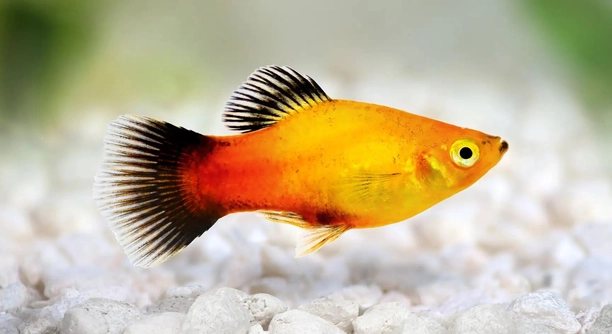
Many fish owners enjoy watching their platies swim around during feeding times. These colorful fish are popular in home aquariums because they are easy to care for and have lively personalities. Observing their behavior can be both relaxing and interesting.
Platies can learn to anticipate feeding times through consistent routines. Repeated exposure to scheduled feedings allows these fish to recognize patterns, which influences their activity levels and behavior around feeding periods. This learned response demonstrates their ability to adapt to environmental cues.
Understanding how platies respond to feeding schedules can improve your aquarium care. This knowledge helps create a more engaging and healthy environment for your fish.
How Platies Recognize Feeding Times
Platies use their senses to pick up on clues that signal feeding time. When fish owners feed their platies regularly at the same time each day, the fish start to notice patterns. They recognize movements near the tank, changes in lighting, or even sounds that often come before food appears. Over several days, these signals become associated with feeding. This causes platies to become more active and swim near the surface as they wait. This behavior shows that platies are capable of learning simple routines. Their ability to remember timing helps them prepare for food, which is important for their survival. Consistency is key. When feeding times vary widely, platies find it harder to learn the schedule. Regular feeding helps maintain a healthy and happy aquarium environment because fish expect and respond to their daily routines.
Platies can also associate specific areas of the tank with feeding.
Recognizing feeding times is part of platies’ natural behavior. This ability helps them avoid wasting energy searching for food when it is not available. Feeding them on a steady schedule also supports their digestion and overall health. As they grow more familiar with the routine, they can become more interactive during feeding times, making care more rewarding.
The Benefits of Feeding Platies on a Schedule
Feeding platies on a consistent schedule offers several advantages.
Regular feeding times reduce stress for the fish. When platies know when to expect food, they are less likely to exhibit anxious behavior. Stress-free fish are healthier and more active, which improves their lifespan and coloration. Predictable routines also help with tank maintenance because uneaten food is minimized, reducing water pollution. Feeding on schedule allows owners to monitor the fish’s appetite and health more easily. If a platy suddenly stops responding to feeding, it may signal illness. Furthermore, establishing a routine helps create a stronger bond between the owner and the fish. It can turn feeding into a calm, enjoyable moment rather than a rushed chore. Finally, scheduled feeding helps regulate metabolism and growth, keeping platies in better physical condition. Overall, feeding platies consistently is a simple but effective way to enhance their care and well-being.
Training Platies to Feeding Times
Platies respond well to consistent feeding schedules, which can train them to expect food at certain times. Repetition helps build this habit quickly.
By feeding platies at the same time every day, their internal clocks adjust to the routine. They start to anticipate food and become more active just before feeding. This behavior shows that they are learning and adapting to their environment. Training platies with regular feeding can also reduce aggression, as they focus on eating instead of competing.
Using visual or sound cues before feeding can speed up this learning. For example, tapping the tank or switching on a light a few minutes before feeding helps platies recognize the signal. Over time, they associate this cue with food coming, which makes feeding smoother and more predictable.
Feeding Frequency and Fish Health
Feeding platies too often can cause health problems like obesity and poor water quality.
A balanced feeding schedule is essential for platies’ well-being. Most adult platies do well with feeding once or twice daily, giving only what they can consume in a few minutes. Overfeeding leads to leftover food, which decomposes and harms water quality, affecting fish health. Consistent portion control ensures platies receive proper nutrition without excess waste.
A well-timed feeding routine supports digestion and growth. When platies are fed regularly and in moderate amounts, they maintain steady energy levels and vibrant colors. Keeping the feeding routine simple and consistent prevents stress and encourages natural behaviors, creating a better environment for these lively fish.
Signs That Platies Have Learned Feeding Times
Platies start gathering near the feeding area just before food is offered. Their activity increases, showing they expect feeding.
They may swim eagerly or follow your movements around the tank. These behaviors indicate they recognize the routine and anticipate mealtime.
How to Adjust Feeding Schedules
Adjust feeding times gradually if needed. Sudden changes can confuse platies and disrupt their routine.
Slow shifts in feeding time, about 10 to 15 minutes each day, help platies adapt smoothly.
Using Feeding Times to Bond with Platies
Feeding your platies regularly creates chances to observe and interact with them. This builds familiarity and comfort between fish and owner.
When Feeding Times Don’t Work
If platies don’t respond to feeding schedules, check for health issues or environmental stress. Changes in water quality or tank conditions may affect their behavior.
FAQ
Can platies really learn specific feeding times?
Yes, platies are capable of learning feeding schedules. When fed consistently at the same times every day, they begin to recognize patterns. Their behavior changes, showing anticipation before feeding. This response is a simple form of learning based on repetition and environmental cues.
How long does it take for platies to learn feeding times?
Usually, platies start showing signs of recognition within a few days of regular feeding at the same times. Consistency is important. The more predictable the routine, the faster they adapt. Some platies may take about a week to fully anticipate feeding, especially when cues like tapping or lights are used.
What signs show that platies have learned their feeding schedule?
Common signs include increased activity near feeding areas just before mealtime. Platies might swim to the surface or follow your movements around the tank. They become more alert and swim eagerly, waiting for food. These behaviors mean they’ve connected the routine with feeding.
What happens if I feed my platies at irregular times?
Irregular feeding makes it harder for platies to learn a schedule. Without a predictable routine, they won’t anticipate feeding and may become stressed or anxious. This can lead to overeating when food is offered, or the opposite—lack of interest. Regular feeding supports better health and behavior.
Is it better to feed platies once or twice a day?
Feeding once or twice a day is usually sufficient. It’s important not to overfeed. Small portions that can be eaten within a few minutes are best. Overfeeding can cause water quality problems and health issues. Keeping to a schedule with moderate amounts helps maintain good tank conditions.
Can platies get stressed if feeding times change suddenly?
Yes, sudden changes in feeding times can stress platies. They rely on routines and can become confused if the schedule shifts abruptly. Gradual changes, moving feeding times by 10 to 15 minutes daily, allow them to adjust without stress.
How can I help platies learn feeding times faster?
Using consistent signals, like tapping the tank or switching on a light shortly before feeding, helps platies associate these cues with food. This conditioning speeds up learning. Keep feeding times and cues regular for the best results.
What should I do if my platies don’t respond to feeding routines?
If platies don’t react to feeding schedules, check tank conditions first. Poor water quality, illness, or stress may affect behavior. Ensure proper temperature, clean water, and balanced nutrition. If problems persist, consult a vet or fish care expert to rule out health issues.
Does learning feeding times improve platies’ health?
Yes, knowing when to expect food helps platies manage their energy and digestion better. Scheduled feeding prevents overeating and reduces leftover food in the tank. This supports cleaner water and healthier fish overall.
Can feeding routines help reduce aggression among platies?
Feeding on a consistent schedule can reduce competition and aggression. When platies expect food at certain times, they focus on eating instead of fighting. Predictability calms their behavior, creating a more peaceful tank environment.
Platies are small, lively fish that bring color and energy to any aquarium. Understanding their behavior can make caring for them easier and more enjoyable. One important aspect of their behavior is how they respond to feeding times. Platies can learn when to expect food if you feed them at the same times each day. This ability to recognize feeding schedules shows that platies can adapt to routines, which helps keep them healthy and active. Consistency in feeding is important because it helps platies prepare for meals and reduces stress. When they know when food will arrive, they spend less energy searching for it and more time swimming and exploring their environment.
Feeding platies on a set schedule also benefits the overall aquarium environment. Regular feeding means less leftover food, which helps keep the water clean and safe for the fish. Overfeeding can lead to poor water quality and health problems, so feeding the right amount at regular times supports both the fish and the tank’s condition. It is best to feed small portions once or twice a day, allowing the fish enough time to eat without wasting food. Platies respond well to routines and may become more active and interactive when feeding times are consistent. This routine can create a calm and enjoyable atmosphere for both the fish and their owner.
Knowing that platies can learn and adapt to feeding times allows owners to provide better care. Using simple signals like tapping the tank or turning on a light before feeding can help reinforce the routine. If changes to feeding times are needed, it is best to adjust gradually to avoid stressing the fish. Keeping an eye on platies’ behavior around feeding times also helps detect any health or tank issues early. Overall, feeding platies consistently supports their well-being and improves the experience of watching them thrive in their aquatic home. Creating a steady feeding routine is a small effort that makes a big difference for both platies and their keepers.

Hello,
If you enjoy the content that we create, please consider saying a "Thank You!" by leaving a tip.
Every little bit helps us continue crafting quality advice that supports the health, happiness, and well-being of pets around the world, for pets of all shapes, sizes, and species.
We really appreciate the kindness and support that you show us!