
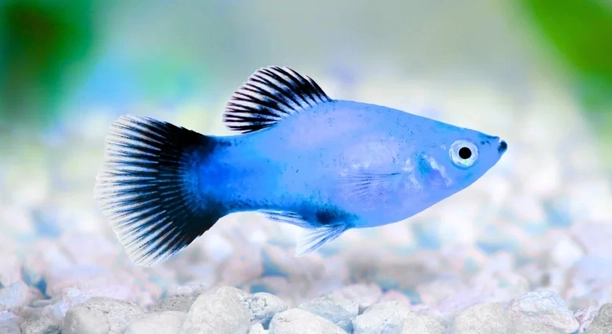
Is your platy acting a bit odd, constantly snapping near the filter instead of swimming calmly around the tank like usual?
The most likely reason your platy snaps at the filter bubble is stress caused by strong water flow or poor tank conditions. Platies are sensitive to changes in their environment, and an aggressive filter output may overwhelm them.
This behavior might seem small, but it can signal a larger issue with water flow, placement, or tank mates that could affect your fish’s well-being. Understanding why it happens can help you create a calmer space for your platy.
What Might Be Causing the Snapping Behavior
Platies snapping at filter bubbles may be reacting to discomfort in their environment. One of the most common reasons is a strong current. Filters that produce excessive water movement can stress small fish like platies, who prefer calmer areas of the tank. Constant exposure to the bubbling or strong flow may cause them to lash out or behave unpredictably. In some cases, snapping could be a sign of territorial behavior, especially in males or in crowded tanks. It’s also possible they are bored or lacking stimulation. Fish sometimes interact with objects in their environment when they are under-stimulated or not feeling secure. Lastly, changes in water quality—like ammonia spikes or fluctuating pH—can make platies agitated. Monitoring water parameters and adjusting the filter flow can help reduce this behavior. Understanding what’s bothering your platy is the first step toward helping them feel more at ease in their tank.
This kind of behavior should be addressed quickly, especially if it starts to happen often or seems to get worse over time.
Keep an eye on their behavior after adjusting flow levels, tank decor, or stocking. Any improvement can help confirm what triggered their snapping response.
How to Adjust the Tank for a Calmer Platy
Begin by checking your filter’s flow rate. Platies enjoy movement but not turbulence. If the current is strong, try adjusting the filter to a lower setting or add plants or decorations that break up the flow. This gives them quiet areas to rest. Live plants like java fern or anubias are great for this purpose and don’t require much care. Also, make sure the tank isn’t overcrowded. Too many fish can lead to stress and more aggressive behavior. Keep your tank stocked within the recommended limit for your tank size. Watch for other fish chasing or nipping at your platy—these interactions can increase anxiety and odd behaviors. Test your water regularly to ensure ammonia, nitrite, and pH are in safe ranges. Slight imbalances might not harm all species, but platies can be sensitive. Making a few small changes can help your platy feel more secure, calm, and comfortable in their home.
Signs Your Platy May Be Stressed
A stressed platy might hide more often, dart around the tank suddenly, or seem less interested in food. You may also notice clamped fins, rapid gill movement, or unusual aggression toward tank mates or objects like the filter bubble.
Changes in swimming patterns are a big indicator. If your platy is hovering near the surface or constantly staying close to the filter, something may be off. Fish that feel stressed often lose their normal curiosity and become jumpy. Their coloring can fade slightly, or they may stop interacting with their surroundings altogether. It’s important to observe any shift from their usual activity. Platies are generally social and active, so sudden withdrawal or snapping behaviors should be noted. When you see more than one of these signs at once, it’s likely they’re reacting to stress in their environment, even if the cause isn’t immediately clear.
Fin damage or biting could also be a reaction. If your platy is constantly chasing bubbles or showing torn fins, it might be harming itself out of frustration. While this can look like aggression, it’s often linked to environmental discomfort. Removing unnecessary stressors, adjusting filter flow, and providing hiding spots can help bring back natural, relaxed behavior. Watch closely after changes.
When Snapping Becomes a Habit
If snapping continues even after you’ve made adjustments, your platy may have developed a habit out of stress. This often happens when stressful conditions persist for too long. The snapping behavior can become routine, even if the original cause is gone.
Fish, including platies, sometimes form patterns of behavior based on past stress. If they felt threatened or uncomfortable near the filter for an extended period, they may continue snapping at it even after you reduce the flow. This is especially true in smaller tanks where the filter takes up more space or dominates a corner. To break this habit, consider rearranging the tank decor, adding floating plants to block the view of the bubble stream, or giving your platy more to explore. A varied environment with space to swim freely helps shift their attention. Repetition in a calm, enriched setting can slowly help them replace old habits with better ones.
When to Be Concerned
If your platy starts snapping more aggressively or shows signs of injury, it may be time to act quickly. Physical damage, lack of appetite, or constant hiding can suggest a more serious issue in the tank environment.
Behavior that gets worse even after changes could point to illness or deeper stress. If nothing improves after lowering the flow, checking water quality, and removing potential triggers, it’s best to observe more closely and consider reaching out to a vet who understands fish health.
Can Tank Mates Make It Worse?
Yes, tank mates can influence this behavior. If your platy feels threatened by more dominant or faster fish, it may redirect its frustration by snapping at the bubbles. Fish that constantly chase or nip can create a stressful environment. Choose calm, peaceful tank mates to reduce tension. Keeping a balanced group can make a big difference in your platy’s comfort. Proper tank spacing, hiding spots, and compatible species all help promote healthier, calmer behavior. A peaceful tank leads to less anxiety and fewer odd behaviors like snapping.
Small Fixes That Make a Difference
Adding floating plants can create gentle barriers from bubbles. Slowing filter output with a sponge or adjusting its angle can also help.
FAQ
Why does my platy snap only at the filter bubbles?
Platies often snap at filter bubbles because the bubbles create strong currents or vibrations that bother them. These fish prefer calm water, and bubbles can feel like a disturbance or threat. Snapping is a way for them to react to or try to “attack” what seems annoying or unfamiliar in their space.
Can snapping harm my platy?
Yes, snapping can sometimes lead to injury, especially if your platy keeps biting hard objects like the filter or decorations. Constant snapping may cause fin damage or stress that weakens their immune system, making them more vulnerable to illness. It’s important to reduce this behavior before it affects their health.
Is snapping a sign of aggression?
Not always. While snapping can be aggressive behavior, in the case of platies and filter bubbles, it’s usually more about stress or frustration. The fish isn’t attacking other fish but reacting to an environmental factor that feels uncomfortable or overwhelming.
How can I reduce the snapping behavior?
Start by adjusting your filter’s flow to make the current gentler. Adding plants or decorations near the filter can block or slow bubbles. Make sure your tank isn’t overcrowded and water quality is good. Providing hiding spots and calm tank mates also helps your platy feel more secure and less likely to snap.
Should I change my filter type?
If the snapping continues despite adjustments, consider switching to a filter that produces less flow or uses sponge media. Sponge filters are gentle and create minimal current, which platies generally prefer. This change can make a big difference in reducing stress and snapping.
Can water quality cause snapping?
Yes, poor water quality can stress platies, leading to unusual behaviors like snapping. High ammonia, nitrite, or sudden pH changes can make fish anxious. Regular testing and water changes are necessary to maintain a stable environment that prevents stress reactions.
Do all platies snap at the filter bubbles?
No, not all platies snap at filter bubbles. Some tolerate bubbles well or even ignore them completely. Individual fish have different temperaments and stress levels. However, it’s a common enough issue that many platy owners notice it at some point.
Is snapping worse in smaller tanks?
Yes, smaller tanks often have stronger currents near the filter since the water volume is less. The bubbles take up more space and may bother your platy more in a small tank. Larger tanks allow more room for fish to avoid strong flows or bubbles.
Can snapping indicate illness?
Snapping itself isn’t usually a direct sign of illness, but stress from snapping can lower a platy’s immune system. If snapping comes with other symptoms like lethargy, loss of appetite, or visible wounds, it could mean your fish is sick or injured and needs attention.
How long does it take for snapping to stop after changes?
It varies, but usually platies begin calming down within a few days to a week after you make changes to water flow, tank setup, or water quality. Persistent snapping after two weeks may require further investigation or expert advice.
Are there any toys or distractions for platies?
While fish don’t use toys like other pets, adding plants, caves, or tunnels can keep them entertained and less focused on the bubbles. Varied environments encourage natural behaviors and reduce stress-related actions like snapping.
Can stress from tank mates cause snapping at bubbles?
Yes, if your platy feels stressed by aggressive or fast tank mates, it may react by snapping at the filter bubbles instead. Redirecting frustration toward a harmless target is common in fish under social stress. Keeping compatible, peaceful tank mates is important to reduce this behavior.
What if snapping only happens at certain times?
If snapping occurs only during feeding or when lights turn on, it could be linked to excitement or territorial instincts. In these cases, your platy may be more alert and reactive. Observe if snapping coincides with specific events to better understand your fish’s triggers.
Can changing tank decor help?
Yes, rearranging or adding more plants and hiding spots can reduce snapping by giving your platy places to feel safe and avoid bubbles. Visual barriers help break up the flow and give fish more control over their space.
Is snapping a natural behavior?
Snapping itself isn’t typical natural behavior for platies. It’s usually a response to stress, discomfort, or boredom. In the wild, platies have calm environments and plenty of hiding spots, so snapping at bubbles is mostly an aquarium-specific reaction.
How important is monitoring tank conditions to prevent snapping?
Very important. Keeping stable water parameters, proper stocking levels, and a well-maintained filter system prevents many stress-related behaviors, including snapping. Regular checks and maintenance are key to a healthy, happy platy.
Your platy snapping at the filter bubbles is a clear sign that something in their environment is bothering them. Often, it comes down to stress caused by strong water flow, poor tank setup, or uncomfortable tank mates. This behavior is their way of reacting to an element they find unsettling. While it may seem harmless or even funny at first, snapping can lead to injury or indicate deeper issues that need attention. Paying close attention to your platy’s behavior and tank conditions is important to ensure they stay healthy and calm.
Adjusting the tank setup can make a big difference. Reducing the filter’s flow or changing its direction often helps platies feel more comfortable. Adding plants and decorations not only creates hiding spots but also breaks up strong currents and bubbles. These small changes give your fish space to retreat and avoid stressful areas. It’s also key to keep the tank clean and water quality stable. Unbalanced water chemistry or overcrowding can increase stress, making your platy more prone to snapping and other unusual behaviors.
Remember, each fish has its own personality and level of tolerance. Some platies may never react to filter bubbles, while others might be more sensitive. Patience and observation are important when making changes. If snapping persists despite your efforts, consider consulting a professional or re-evaluating tank conditions. Creating a peaceful, balanced environment not only reduces snapping but helps your platy live a happier and healthier life overall.

Hello,
If you enjoy the content that we create, please consider saying a "Thank You!" by leaving a tip.
Every little bit helps us continue crafting quality advice that supports the health, happiness, and well-being of pets around the world, for pets of all shapes, sizes, and species.
We really appreciate the kindness and support that you show us!