
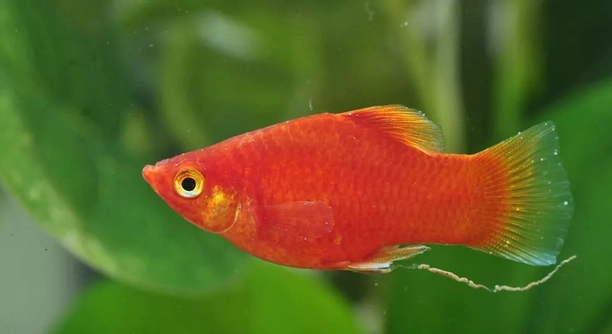
Is your platy spending more time alone or hiding in a corner of the tank, even during feeding time or play?
The most common reason your platy may be acting withdrawn is stress caused by poor water quality, tank mates, or sudden changes in the environment. Identifying and correcting these stressors is crucial for their health.
Understanding what’s causing this change in behavior can help improve your platy’s well-being and restore a calm, active tank environment.
Poor Water Quality
Platies are sensitive to their surroundings, especially the water they live in. When ammonia, nitrite, or nitrate levels are too high, they can become stressed and withdrawn. Poor water quality can also lead to health issues such as fin rot or gill damage. If your platy is hiding more than usual, hovering near the bottom, or refusing food, it’s a good idea to test the water. Regular water changes, proper filtration, and not overfeeding are all important steps. Using a reliable test kit weekly will help you stay on top of water conditions. Clean water supports both physical health and natural behavior in platies. Even small imbalances can make them feel unsafe or uncomfortable, which may lead to them pulling away from tank activity.
A well-maintained tank makes a big difference. Platies often perk up quickly after water conditions improve.
Be sure to remove uneaten food, check the filter regularly, and avoid overcrowding. These small habits can help maintain stable water parameters and reduce stress. Sometimes, fishkeepers don’t realize how quickly toxins build up, especially in smaller tanks. If your platy starts acting off, check the basics first—water quality is often the first thing to address. A clean tank keeps your platy more active and social.
Aggressive Tank Mates
Platies are peaceful and don’t do well with aggressive tank mates. Even if they aren’t being physically harmed, the constant threat or chasing can cause them to withdraw.
If your platy is hiding, staying near plants, or avoiding other fish, observe your tank closely for signs of bullying. Fin nipping, sudden darting, or one fish constantly following another can signal a problem. Some species, like tiger barbs or cichlids, may be too aggressive to share space with platies. Even another platy can be territorial if the tank is overcrowded. It’s helpful to rearrange the decor to disrupt established territories and give your platy safe places to retreat. Adding more hiding spots with plants or caves can reduce stress. If nothing helps, consider separating the aggressive fish. A peaceful environment is key to making your platy feel secure. When tank mates get along, your platy is more likely to act social and curious again.
Sudden Changes in the Environment
Platies can become withdrawn if their environment changes too quickly. Things like sudden temperature shifts, new lighting, or moving decorations can make them feel unsafe and unsure of their surroundings.
Even small changes, like replacing tank plants or adjusting the filter flow, can unsettle a platy. These fish are used to routine and respond best when changes happen gradually. If you recently cleaned the tank or added something new, that might be the cause. Check the water temperature and lighting schedule to ensure they’re consistent. Any major changes—like introducing new tank mates or altering the tank’s layout—should be done slowly. Sudden shifts can confuse your platy and lead to hiding or skittish behavior. It helps to leave familiar objects in place so they can recognize their surroundings. Stability gives your platy the confidence to explore and act normally again.
To help your platy adjust, give them a calm space without frequent movement or noise around the tank. Avoid rearranging too much at once, and try to keep their daily schedule consistent. Feeding times, lighting, and water changes should follow a routine. If a change is necessary, do it in small steps. Watch your platy’s behavior closely afterward. They may take a day or two to adjust, but if stress signs continue, reevaluate the environment. Gradual changes reduce confusion and keep your fish comfortable.
Illness or Injury
Health issues can cause platies to isolate themselves. They may stay near the bottom, avoid food, or hide behind plants. Common problems include parasites, infections, or minor injuries from other fish or rough decor.
Look for signs like faded colors, clamped fins, white spots, or bloating. These can all signal illness. If you notice anything off, it’s best to separate the platy in a quarantine tank to monitor closely. Keep the water clean and stress low while you observe symptoms. Using a general treatment can help if the issue isn’t yet clear, but make sure not to medicate without cause. If symptoms worsen, research the specific signs or speak with a vet familiar with fish care. Early action helps recovery. A sick platy often needs rest and time alone—this withdrawal is often a self-protective behavior that will ease once they begin healing.
Low Oxygen Levels
Platies may become sluggish or withdrawn if there isn’t enough oxygen in the water. You might notice them hanging near the surface or breathing faster than usual, especially after feeding or during warmer weather.
Make sure your tank has enough surface agitation to help oxygen exchange. An air stone or a sponge filter can improve this quickly.
Lack of Hiding Spaces
When a tank feels too open, platies may feel exposed and stressed. Adding plants, caves, or decorations gives them places to hide and feel secure. Even confident fish need cover at times, especially during rest or recovery.
Poor Diet
A limited or low-quality diet can lead to lethargy and withdrawal. Platies need a balanced mix of flakes, frozen food, and fresh vegetables. Rotate their meals for better health and energy. A poor diet often shows up first in mood and behavior before other signs appear.
FAQ
Why is my platy hiding all of a sudden?
Sudden hiding is often caused by stress. This can happen after a water change, a new tank mate, or changes in tank layout. Even loud noises or movements around the tank can be enough to scare them. Check for any recent changes and try to return things to normal. Give them a few days to readjust. If hiding continues, look at water parameters and tank mate behavior. Sometimes, they just need a calm, quiet space for a while. Keep an eye out for signs of illness, like not eating or color fading.
Is it normal for platies to rest at the bottom of the tank?
Platies sometimes rest at the bottom, especially after eating or during the night. However, if they’re staying there all day or not moving much, it could signal something is wrong. Check the water quality first. Poor oxygen, high ammonia, or low temperature can all cause bottom-sitting. Also observe for clamped fins or labored breathing. A healthy platy may rest briefly, but long-term inactivity is not normal. Make sure the tank is well-maintained and quiet, and consider offering food to see if they respond normally.
Can stress really make my platy sick?
Yes, stress lowers a fish’s immune response. When a platy is stressed, it becomes more vulnerable to infections, parasites, and other illnesses. Common stress sources include poor water quality, aggressive tank mates, or sudden environmental changes. Over time, even mild stress can wear them down. Signs of stress include hiding, color loss, loss of appetite, and erratic swimming. Reducing stress quickly can help prevent illness. Keeping water clean, offering good food, and creating a peaceful environment will all support their immune system and overall health.
How do I know if my platy is being bullied?
Watch for chasing, nipping, or one fish always avoiding another. If your platy hides constantly or has torn fins, there’s likely some aggression in the tank. Bullying can happen between different species or even between platies, especially if the tank is overcrowded. Try to identify the aggressor and consider separating them. Rearranging the tank decor can help disrupt territories. Adding more hiding spots also gives your platy places to escape and feel safe. Bullying causes chronic stress and should be addressed right away.
What should I feed a withdrawn platy?
Start with foods they usually enjoy, like high-quality flakes, daphnia, or brine shrimp. Sometimes a platy that’s hiding or inactive may still come out for their favorite snack. Try feeding in a quiet area and turn off the filter briefly so the food stays close. If they don’t eat after a few tries, you may need to check for illness or water problems. Avoid overfeeding if the fish isn’t eating—leftover food will only pollute the water and increase stress. Keep offering food once or twice a day and monitor their behavior.
Do platies get lonely?
Platies are social and prefer being in small groups. A single platy may seem less active or withdrawn without others around. While they don’t need a large school like some species, having at least two or three together is ideal. If a platy seems bored or shy on its own, adding one or two more of the same species can help. Make sure the tank is big enough and that new additions are healthy. Group interactions can help encourage more natural behavior and reduce stress-related hiding.
How can I tell if the tank is too cold or too hot for my platy?
Platies do best in temperatures between 72°F and 78°F. If the water is outside this range, your fish may act sluggish or stressed. A platy in cold water may stay still and eat less, while one in hot water might breathe faster or seem restless. Use a reliable aquarium thermometer to track temperature and adjust gradually using a heater or cooling fan. Sudden swings can be hard on fish. Keep the tank temperature stable for better health and consistent behavior. A consistent temperature helps reduce stress and keeps your platy active.
Final Thoughts
A withdrawn platy can be a sign that something in the tank isn’t quite right. It’s not always a serious problem, but it should be taken seriously. Often, the reason is related to stress, illness, or changes in the environment. Platies are peaceful fish that do well in clean, stable setups with gentle tank mates. When something changes suddenly or the water quality drops, they may respond by hiding or staying still. Watching their behavior closely is one of the best ways to catch early signs of stress or health issues.
Keeping a regular schedule can help a lot. Feed them at the same time each day, avoid sudden lighting changes, and try not to move things around too often. Check the water once a week to make sure ammonia, nitrite, and nitrate levels are safe. Adding plants and hiding spots can also make your platy feel more secure. Even small changes in their environment can cause a big reaction, so try to introduce anything new slowly. If you notice a change in behavior, pause and go through the basics—water quality, temperature, tank mates, and food. Most of the time, the solution is simple once the cause is clear.
Caring for platies isn’t hard, but it does require consistency. A calm tank environment, clean water, and a varied diet can keep them active and social. If your platy becomes withdrawn, don’t panic. Take time to look at their surroundings, their diet, and any recent changes. Many fish bounce back quickly once the issue is resolved. Being patient and observant will help your platy return to its normal behavior. Each fish has its own personality, and some are more shy than others. But when a normally active platy suddenly hides, it’s usually their way of telling you something isn’t right. Staying in tune with their behavior is the best way to support their health and comfort.

Hello,
If you enjoy the content that we create, please consider saying a "Thank You!" by leaving a tip.
Every little bit helps us continue crafting quality advice that supports the health, happiness, and well-being of pets around the world, for pets of all shapes, sizes, and species.
We really appreciate the kindness and support that you show us!