
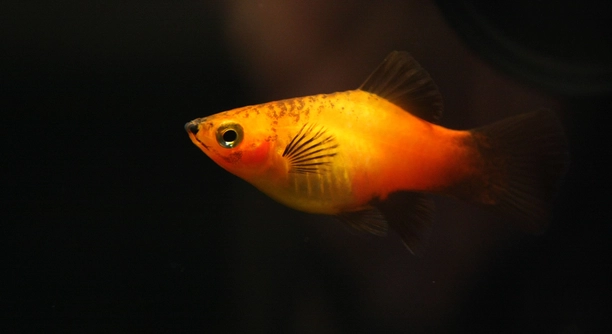
Platies are small, colorful fish often kept in home aquariums. Many owners notice their playful behavior and wonder about how they interact with their surroundings, especially when it comes to reflections on the glass walls.
Platies can be distracted by their own reflections, mistaking them for other fish. This can lead to increased activity or territorial behavior, as they respond to the perceived presence of another fish in their environment.
Understanding how reflections influence platies can help improve their care and aquarium setup for a more comfortable habitat.
How Reflections Affect Platies’ Behavior
Platies often react to their reflections because they mistake the image for another fish. When they see their reflection, they may become curious or even territorial. This behavior is common in many fish species kept in glass tanks. Reflections can cause platies to swim more actively, sometimes chasing their own image. This can lead to stress if the fish spends too much time responding to a reflection that isn’t real. To reduce this, aquarium owners often adjust the lighting or add plants and decorations to break up the reflective surfaces. These changes can help platies feel more secure and less distracted. Providing hiding spots also encourages natural behavior and helps minimize stress caused by constant visual stimulation.
Limiting reflective surfaces in the tank creates a calmer environment, reducing stress and promoting healthier fish behavior.
By understanding these effects, you can create a more peaceful tank. Simple changes like repositioning the aquarium away from bright windows or adding background covers can reduce reflections. This will help platies focus on their surroundings and interact naturally with other fish. Keeping the tank environment balanced supports their well-being and keeps them active for the right reasons. Adjusting tank decorations and lighting also adds visual interest without causing confusion. This leads to happier, healthier platies that show their natural colors and behaviors without unnecessary distractions.
Managing Reflections in Your Aquarium
Minimizing reflections starts with positioning the tank away from direct sunlight or bright lights.
Adjusting the aquarium setup can greatly reduce reflections. Using a dark background on the tank’s outside walls blocks external light from bouncing off the glass. Adding live or artificial plants inside the tank provides visual barriers that disrupt reflections. These barriers help platies focus on their environment instead of their image. It is also helpful to avoid placing tanks near windows or bright light sources. When lighting is needed, softer or indirect lighting can reduce glare. Some aquarists use aquarium films or tinting on glass to limit reflections. Ensuring tank decorations fill empty spaces reduces open reflective surfaces. These adjustments create a more natural setting, allowing platies to interact calmly with each other without distraction. Regular observation helps detect signs of stress caused by reflections, allowing timely changes. These simple steps improve fish comfort and the overall enjoyment of the aquarium.
Signs Your Platies Are Distracted by Reflections
Platies may show signs like chasing their reflection, sudden darting movements, or increased aggression. These behaviors suggest they perceive their reflection as another fish invading their space.
When platies react to reflections, they often swim rapidly along the glass or nudge the tank walls. You might notice them flaring fins or displaying territorial postures toward the mirror image. This can cause unnecessary stress and disrupt their normal behavior. Watching these signs helps you understand when reflections are affecting your fish. It’s important to recognize these behaviors early to avoid long-term stress, which can impact their health and lifespan.
Consistent observation of your platies’ interactions with tank surfaces helps identify distractions. When reflections cause agitation, your fish may eat less or hide more often. Addressing these issues quickly improves their comfort and reduces stress-related problems.
Creating a Reflection-Free Environment
Reducing reflections involves controlling light and adding visual barriers inside the tank. These changes prevent your platies from fixating on their own images.
Using darker backgrounds and avoiding bright, direct lighting cuts down on glass reflections. Placing plants and decorations strategically inside the tank breaks up clear surfaces, limiting reflective areas. This setup mimics natural hiding spots, making platies feel safer. Soft, indirect lighting helps maintain good visibility without causing glare. You can also cover the outside of the tank with non-reflective material to reduce external reflections. Regularly rearranging tank decorations adds variety and keeps the environment engaging for your fish. These steps create a calmer habitat where platies focus on their tank mates and surroundings, not their reflection. This leads to healthier behavior and a more enjoyable aquarium experience.
How Tank Size Influences Reflection Impact
Smaller tanks tend to create stronger reflections due to the proximity of the glass walls. This can make distractions more frequent for platies.
Larger tanks provide more space and reduce the intensity of reflections. More distance between walls means platies are less likely to fixate on their own images.
Lighting Choices That Reduce Reflection
Choosing soft, indirect lighting helps minimize reflections inside the aquarium. Avoiding harsh or direct light reduces glare on the glass.
Using LED lights with adjustable brightness settings allows better control over the tank’s illumination. This customization helps maintain a comfortable environment for platies.
Monitoring Stress Levels in Platies
Watch for signs like reduced appetite or hiding, which may indicate stress from reflections. Early detection allows for prompt changes.
Maintaining a calm environment ensures your platies remain healthy and active without unnecessary distractions from their own reflections.
FAQ
Can platies see their reflection clearly?
Platies can see reflections on the glass of their aquarium quite clearly. Their vision allows them to detect movements and shapes, which is why they sometimes react strongly to reflections. However, they do not recognize the reflection as themselves but rather as another fish in their territory.
Why do platies react aggressively to reflections?
Platies respond aggressively because they perceive their reflection as an intruder. This triggers territorial instincts, causing them to chase or display dominance. Since reflections don’t respond back, the behavior can be repetitive and stressful if the reflection remains visible.
How can I tell if my platy is stressed from reflections?
Signs of stress include excessive hiding, loss of appetite, and erratic swimming. If your platy repeatedly attacks the glass or swims nervously near reflections, it’s likely experiencing stress caused by its image. Observing these behaviors early helps prevent further health issues.
Do all platies react to reflections the same way?
No, individual platies have different reactions. Some may ignore reflections, while others become very active or aggressive. Factors such as personality, tank size, and environment influence how strongly a platy responds to its reflection.
Can reflections cause long-term harm to platies?
Constant stress from reflections can weaken a platy’s immune system, making it more prone to illness. While reflections alone don’t directly harm them physically, ongoing agitation reduces their overall well-being over time.
What are simple steps to reduce reflections in my tank?
Position the tank away from windows and bright lights. Use a dark background and add plants or decorations inside the tank to break up reflective surfaces. Adjust lighting to be soft and indirect to minimize glare. These measures create a more comfortable space for platies.
Is it better to have live plants or artificial ones to reduce reflections?
Both live and artificial plants effectively break reflections. Live plants add natural filtration and oxygen, benefiting water quality, while artificial plants require less maintenance. Either option helps reduce reflections and provides hiding places.
Can tank covers or films help with reflections?
Yes, applying a non-reflective film or placing a matte cover on the tank’s outside surfaces can reduce glare. These products minimize light bouncing on the glass, decreasing distracting reflections for platies.
How often should I change the tank setup to prevent reflection stress?
Changing decorations or rearranging plants every few months helps keep the environment interesting and prevents platies from fixating on reflections. Small adjustments reduce repetitive behavior and keep stress levels low.
Are reflections distracting to other fish, or just platies?
Many fish species react to reflections, not only platies. Territorial and social fish often see their reflections as rivals or companions. Understanding each species’ behavior helps manage reflections better in mixed tanks.
Can reflections affect breeding behavior in platies?
Reflections can sometimes disrupt breeding by causing unnecessary stress or triggering territorial disputes. Creating a calm environment with fewer reflections encourages natural mating behaviors.
Should I remove aggressive platies if reflections cause fights?
Instead of removing fish immediately, try adjusting tank setup and lighting to reduce reflections first. If aggression continues despite changes, separating aggressive fish may be necessary to protect others.
Does the color of platies influence how they react to reflections?
Color doesn’t significantly affect reflection response. Behavior depends more on individual temperament and tank conditions than on coloration.
Can reflections cause physical injuries to platies?
Platies may occasionally bump into glass while chasing reflections, but serious injuries are rare. However, repeated stress and collisions can cause minor damage or increase susceptibility to infections.
What is the best way to observe platies without causing reflection stress?
Use soft lighting and observe from angles that don’t create strong reflections. Avoid tapping or knocking on the tank, which can add to stress and frighten the fish.
Do platies learn to ignore their reflections over time?
Some platies may gradually reduce their reaction to reflections, especially if the reflection doesn’t change or respond. However, many continue to show interest or territorial behavior for long periods.
Can reflections affect platies’ social interactions?
Reflections may confuse platies about the number of fish present, which can alter social behavior. Reducing reflections helps maintain normal group dynamics and reduces conflicts.
Is it helpful to introduce more platies to reduce reflection distractions?
Adding more platies can help by providing real social interactions, but overcrowding should be avoided. A balanced group reduces stress and keeps fish engaged with each other instead of their reflections.
Are reflections more common in certain types of aquariums?
Tanks with clear glass and strong lighting are more prone to reflections. Acrylic tanks or those with tinted glass can reduce this effect naturally.
How can I tell if lighting is causing reflection problems?
If you notice strong glare or see your platies repeatedly chasing or attacking the glass near light sources, the lighting setup may be causing reflections. Adjusting brightness or repositioning lights usually helps.
Platies are lively and colorful fish that bring energy to any aquarium. Understanding how reflections affect their behavior is important for their well-being. When platies see their reflection, they often mistake it for another fish, which can cause them to become distracted or even stressed. This response is natural, but if it happens too often, it can negatively impact their health. Taking steps to reduce reflections in the tank helps platies feel more comfortable and behave more naturally. Simple changes like adjusting lighting or adding plants can make a big difference in how your fish experience their environment.
Managing reflections is a practical way to improve your aquarium’s atmosphere. Small adjustments, such as placing the tank away from direct sunlight or using darker backgrounds, help minimize reflections on the glass. Adding decorations or live plants inside the tank provides visual breaks that reduce the chance of platies focusing on their own images. Lighting choices also play a key role; soft, indirect light is best for keeping reflections low and making the tank more inviting. These changes not only reduce stress but also encourage natural behaviors, helping platies interact better with other fish.
Taking care of platies means paying attention to their environment and behavior. Watching for signs of distraction or stress caused by reflections is important for maintaining their health. When you notice your fish reacting repeatedly to their reflections, it’s a signal to make some adjustments. Over time, creating a calm, reflection-free space will allow platies to thrive and show their true colors. This thoughtful approach ensures your fish stay happy and active, making your aquarium a peaceful and enjoyable place for both the fish and you.

Hello,
If you enjoy the content that we create, please consider saying a "Thank You!" by leaving a tip.
Every little bit helps us continue crafting quality advice that supports the health, happiness, and well-being of pets around the world, for pets of all shapes, sizes, and species.
We really appreciate the kindness and support that you show us!