
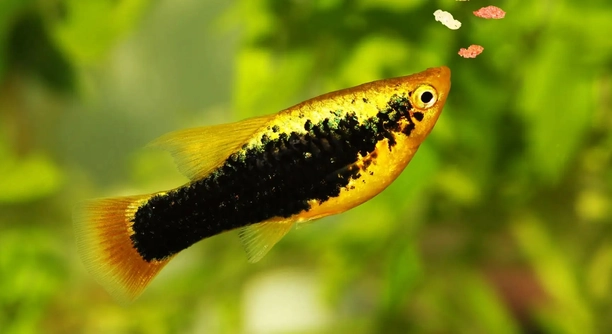
Platies are popular freshwater fish known for their vibrant colors and peaceful nature. Many aquarium enthusiasts enjoy watching their lively swimming patterns and interactions. Sometimes, these fish may swim in short, sudden bursts instead of smooth, continuous movements.
Short bursts of swimming in platies often indicate stress, environmental changes, or health issues. Factors such as poor water quality, inadequate oxygen levels, or sudden temperature shifts can trigger this behavior. It may also result from the fish reacting to nearby tank mates or external disturbances.
Understanding why platies swim this way can help you maintain a healthier environment. This article will explain common causes and what you can do to support your fish’s wellbeing.
Common Causes of Short Burst Swimming in Platies
Platies swimming in short bursts usually respond to changes in their environment. Poor water quality is a frequent cause. High levels of ammonia, nitrites, or nitrates stress fish and make them swim erratically. Another reason is low oxygen. If the water surface doesn’t move enough or the tank is overcrowded, oxygen can drop, causing sudden swimming bursts. Sudden changes in temperature also affect platies. They prefer stable, warm water, and quick drops or spikes can disturb them. Additionally, nearby tank mates that are aggressive or overly active can startle platies, making their movements quick and jerky. Sometimes, short bursts are normal play behavior or attempts to chase food, but persistent erratic swimming signals a problem that needs attention.
Water testing and monitoring are essential steps to keep platies calm and healthy. Fixing water conditions usually improves their swimming behavior quickly.
Regular water tests and gentle aeration help maintain a calm environment for platies. Stable temperatures are key for their comfort.
How to Improve Your Platies’ Swimming Behavior
To help your platies swim smoothly, start with water quality. Test ammonia, nitrite, nitrate, and pH regularly, and do partial water changes as needed. Keep the tank clean but avoid harsh chemicals. Aeration is also important to keep oxygen levels up, especially in warmer water or crowded tanks. Ensure the temperature stays steady around 74 to 78°F (23 to 26°C). Avoid sudden temperature shifts during maintenance or from heater malfunctions. Consider tank size and stocking levels — too many fish can cause stress and lower oxygen. If aggression from tank mates is an issue, separate platies or choose more peaceful companions. Observe your fish regularly to spot any signs of illness, which can also cause erratic swimming. Proper feeding and a balanced diet support their overall health and activity. Addressing these factors will promote calmer, more natural swimming patterns in your platies.
Stress Factors Affecting Platies
Stress can make platies swim in quick bursts. Common stressors include loud noises, sudden movements near the tank, and overcrowding. Stress weakens their immune system and affects behavior.
Platies are sensitive to their environment. Changes in lighting, water chemistry, or tank setup can trigger stress. Overcrowding increases competition for food and space, making fish more nervous and prone to erratic swimming. Loud noises or frequent tapping on the glass can also disturb them. Keeping the tank in a quiet, stable area helps reduce stress. Adding plants or hiding spots gives platies a safe space, which can calm them. Monitoring behavior regularly allows you to spot stress early and make adjustments before problems worsen.
Stress affects platies’ health beyond swimming patterns. It can lead to illness or reduced lifespan. Minimizing stress through stable conditions and gentle care improves their overall wellbeing.
Signs of Illness to Watch For
Platies showing short bursts of swimming might be sick. Look for faded colors, clamped fins, or unusual spots on their body. These are signs illness may be present.
Illnesses like ich, fin rot, or swim bladder issues can cause sudden, jerky swimming. Swim bladder problems affect buoyancy, making fish swim in bursts or struggle to stay upright. Parasites and bacterial infections also change behavior. If you notice these signs, isolate the affected fish to prevent spreading disease. Treat the tank with appropriate medications, and maintain excellent water quality. Early detection is key to successful treatment and recovery.
Observing your platies daily helps catch illness early. Healthy fish swim smoothly, explore their environment, and respond calmly to feeding.
Tank Setup and Environment
Proper tank setup influences how platies swim. A spacious tank with plenty of hiding spots encourages natural behavior. Avoid overcrowding to reduce stress and erratic swimming.
Plants and decorations give platies places to rest and hide. This helps them feel secure and swim more calmly. Clean water and a well-maintained filter are essential for a stable environment.
Feeding Habits and Their Impact
Overfeeding or irregular feeding can affect platies’ swimming. Excess food decomposes, lowering water quality and stressing fish. Feeding small amounts regularly supports healthy behavior and digestion. Uneaten food should be removed promptly to prevent water issues.
A balanced diet rich in nutrients helps platies stay active and swim smoothly. Avoid sudden changes in food type to prevent digestive upset that could cause burst swimming. Feeding a mix of flakes, frozen, or live foods keeps their diet interesting and healthy.
Monitoring Behavior Over Time
Keep track of your platies’ swimming patterns regularly. Noticing changes early helps catch problems before they worsen.
Consistent observation allows timely action to improve your fish’s environment and health.
FAQ
Why do my platies swim in short bursts only at certain times?
Platies may swim in bursts when the tank environment changes temporarily. This can happen during feeding, when new fish are introduced, or when there is a sudden noise or movement near the tank. These bursts often reflect a natural reaction to stimuli or excitement. If the behavior is limited to these times and does not persist, it usually isn’t a cause for concern.
How can I tell if the short bursts mean my platies are sick?
Look for other signs alongside the burst swimming. Illness often comes with faded colors, clamped fins, labored breathing, or spots on the body. If your platies are swimming in short bursts but seem otherwise healthy, the cause might be environmental. However, if symptoms persist or worsen, isolating the affected fish and consulting a vet or fish expert is recommended.
Is water temperature really that important for platies?
Yes, platies thrive in stable temperatures between 74°F and 78°F (23°C to 26°C). Sudden changes or temperatures outside this range stress the fish and can cause erratic swimming. Using a reliable aquarium heater and thermometer helps keep temperature steady, improving your platies’ comfort and behavior.
Can tank mates cause platies to swim in bursts?
Yes, aggressive or overly active tank mates can startle platies, causing short bursts of rapid swimming. It’s best to keep platies with peaceful species. Observe interactions closely and separate fish if you notice bullying or constant chasing. A calm community tank helps platies swim more naturally.
How often should I test my aquarium water?
Testing water once a week is ideal to maintain good conditions. Regular checks of ammonia, nitrites, nitrates, pH, and temperature help detect issues early. Keeping these parameters within safe levels prevents stress and unhealthy behavior like short burst swimming.
What should I do if my platies continue to swim erratically after water changes?
Some platies react strongly to water changes, especially if the new water differs in temperature, pH, or hardness. To avoid this, match new water parameters as closely as possible. Perform partial water changes slowly and regularly to minimize shock. If bursts continue, check for other stressors or illness.
Does feeding affect platies’ swimming behavior?
Yes, overfeeding can degrade water quality, leading to stress and erratic swimming. Feeding small, measured amounts once or twice a day works best. Remove any uneaten food promptly to keep the tank clean and your fish healthy.
Can poor oxygen levels cause burst swimming?
Low oxygen can cause fish to gasp and swim erratically. Ensure good water movement and aeration through filters or air stones. Avoid overcrowding, which lowers oxygen availability. Proper oxygen levels keep platies calm and active in a natural way.
Is it normal for platies to swim in short bursts during play?
Yes, occasional bursts can be playful behavior, especially when chasing food or exploring. If these bursts happen irregularly and your fish look healthy, it’s part of their natural activity.
How do I know if my tank is overcrowded?
Overcrowding causes stress and erratic swimming. A general rule is one inch of fish per gallon of water, but platies need space to swim freely. If your fish dart often or hide, consider reducing the number of tank mates or upgrading to a larger tank.
Platies swimming in short bursts is a behavior that often signals something about their environment or health. While occasional quick movements can be normal and playful, consistent short bursts usually mean there is an underlying issue. It could be related to water quality, oxygen levels, temperature changes, or stress from tank mates or overcrowding. Keeping an eye on their behavior and the tank conditions helps catch problems early before they affect the fish’s overall health. Taking simple steps like regular water testing, maintaining stable temperatures, and ensuring enough space can make a big difference.
Stress plays a major role in causing platies to swim in short bursts. Changes in lighting, noise around the tank, or a new fish can upset them. Providing hiding spots like plants or decorations gives platies a sense of security. When fish feel safe, they swim more naturally and calmly. Illness can also cause sudden, jerky swimming. It is important to look for other signs such as faded colors, clamped fins, or spots. If sickness is suspected, treating the fish promptly and keeping the tank clean is necessary to prevent worsening conditions.
Supporting platies with proper care is the best way to reduce erratic swimming. Feeding balanced diets in small amounts, avoiding overcrowding, and maintaining good water quality all help. Regular observation of your fish’s swimming habits allows you to notice changes quickly. Understanding the reasons behind short burst swimming helps you create a stable, comfortable home for your platies. When their needs are met, platies show calmer, more natural behavior and live healthier lives.

Hello,
If you enjoy the content that we create, please consider saying a "Thank You!" by leaving a tip.
Every little bit helps us continue crafting quality advice that supports the health, happiness, and well-being of pets around the world, for pets of all shapes, sizes, and species.
We really appreciate the kindness and support that you show us!