
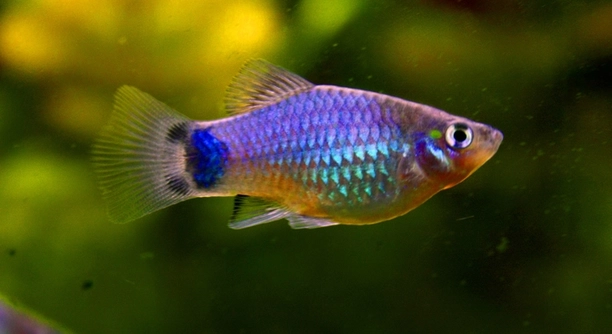
Platies are popular freshwater fish often kept in home aquariums. Many owners pay close attention to their tank conditions, including water flow, to ensure the fish remain healthy and active. Understanding how platies respond to these changes can improve their care.
Platies do respond to changes in water flow by adjusting their swimming behavior and positioning. Increased flow may cause them to seek calmer areas, while gentle currents encourage natural movement and exercise, promoting overall well-being and stress reduction in these fish.
Knowing how platies react to water flow helps create a balanced environment that supports their health and happiness in your aquarium.
How Platies React to Different Water Flow Levels
Platies are naturally found in slow-moving or still waters like ponds and slow streams. In an aquarium, they prefer similar conditions with gentle water movement. When water flow increases suddenly, platies often swim slower or seek areas with less current. This helps them conserve energy. Too strong a flow can stress them, causing erratic swimming or hiding behind plants and decorations. On the other hand, very still water can reduce their activity and lead to poor health. Moderate water flow encourages swimming, which helps platies maintain muscle tone and good circulation. The key is to mimic their natural habitat by providing gentle currents that allow them to swim comfortably without fighting strong currents.
Proper water flow also helps oxygenate the water, which benefits platies. Too much flow may disturb their comfort, but too little can reduce water quality. Finding the right balance keeps platies active and healthy in their tanks.
Adjusting water flow gradually allows platies to adapt without stress. Sudden changes should be avoided to maintain a peaceful environment for them.
Signs Platies Show When Uncomfortable With Flow
Platies may stop eating or hide more when water flow is too strong. They also show rapid fin movements.
Noticing these behaviors early helps you adjust the tank conditions to better suit your platies’ needs and improve their well-being.
Adjusting Water Flow for Platies
Water flow in a tank can be controlled using filters, pumps, or flow regulators. It is important to adjust these carefully for platies.
Too strong a flow forces platies to expend unnecessary energy, which can lead to stress or illness. Using a sponge filter or adding plants can break the current and create calm zones. Observing platies’ behavior helps determine if the flow is appropriate. When they swim comfortably and show normal activity, the flow is likely well balanced. Gradually changing flow settings allows platies to adjust without shock. Avoid sudden spikes in current, especially in smaller tanks, where water movement can be more intense.
Regularly checking equipment and ensuring it is clean helps maintain consistent water flow. Debris or clogged filters can change flow unexpectedly, impacting platies negatively. Creating a gentle, stable current supports their health and encourages natural swimming behavior.
Best Practices to Create Ideal Flow Conditions
Maintaining gentle water flow mimics platies’ natural environment and improves oxygen levels. Using plants and decorations breaks strong currents, making the tank more comfortable. It is helpful to test flow regularly and watch how platies react. Moderate, steady movement helps keep the water clean and supports healthy fish activity.
Common Mistakes in Managing Water Flow
Setting water flow too high is a frequent mistake that causes stress in platies. It leads to constant swimming against the current and exhaustion. Another error is not adjusting flow when adding new equipment or rearranging the tank, which can create unwanted strong currents.
Ignoring signs of stress like hiding or erratic swimming may worsen the problem. Regular observation is important to catch these issues early and keep the environment stable.
Impact of Water Flow on Platies’ Health
Strong water flow can cause physical damage to platies, such as torn fins or scale loss, especially if they struggle to swim. It also increases stress levels, making them more vulnerable to diseases. Low or stagnant flow reduces oxygen exchange, potentially leading to poor water quality and unhealthy fish. Proper flow keeps water well-oxygenated and clean, supporting immune function and overall vitality.
Equipment Tips for Flow Control
Using adjustable filters or flow diffusers helps tailor the water current to platies’ needs.
FAQ
How much water flow do platies need in their aquarium?
Platies prefer gentle water flow that mimics their natural slow-moving habitats. A moderate current that creates slight movement without forcing them to swim constantly is ideal. Flow created by sponge filters or adjustable filters usually works well, allowing platies to swim freely without exhaustion.
Can too much water flow harm platies?
Yes, strong water flow can stress platies by making them swim against the current continuously. This can lead to fatigue, torn fins, or scale damage. High flow also causes erratic behavior and hiding, which are signs of discomfort. Keeping flow gentle helps maintain their health and reduces stress.
What signs show that platies are unhappy with water flow?
If platies hide more often, swim frantically, or appear lethargic, it can indicate issues with water flow. Rapid fin movement or staying in one calm spot constantly also suggests discomfort. Observing their normal swimming patterns helps spot when flow needs adjustment.
How can I reduce strong water flow in my tank?
Using decorations like plants, rocks, or driftwood can break the current and create calm zones. Adjusting filter settings or switching to a sponge filter reduces flow strength. Positioning the filter outlet near the tank surface helps disperse water gently, minimizing direct strong currents.
Do platies need water flow for oxygen?
Yes, water movement helps oxygenate the aquarium by increasing surface agitation. Proper oxygen levels are essential for platies’ breathing and overall health. However, the flow should be balanced to provide enough oxygen without stressing the fish.
Can sudden changes in water flow affect platies?
Sudden shifts in water flow can cause stress and shock. Platies need time to adjust when flow changes. Gradually modifying the current helps prevent negative reactions like hiding or erratic swimming, keeping the fish calm and healthy.
What equipment is best for controlling water flow with platies?
Adjustable filters, sponge filters, and flow diffusers are excellent choices. These allow precise control over current strength, creating a comfortable environment. Equipment that produces gentle, even flow is preferred to avoid strong spots or dead zones in the tank.
Should I watch platies more when changing tank setup?
Yes, after rearranging plants, decorations, or equipment, it’s important to monitor platies closely. Changes can alter water flow unexpectedly, and observing their behavior helps identify if adjustments are needed to maintain comfort.
Is water flow more important in small or large tanks?
Water flow management is crucial in all tank sizes but can be trickier in small tanks where currents may be stronger. Smaller volumes of water mean stronger flow from equipment unless adjusted carefully. Larger tanks often have more stable, natural flow patterns.
How often should I check water flow in a platy tank?
Regular checks, especially after maintenance or adding new equipment, are recommended. Observing platies daily for signs of stress and inspecting filter performance ensures flow remains suitable and stable over time.
Final Thoughts
Understanding how platies respond to changes in water flow is important for their health and happiness. These fish thrive in gentle currents that mimic their natural environments. When the flow is too strong, platies can become stressed, tire easily, and even get injured. On the other hand, very still water can reduce oxygen levels and lower their activity. Finding a balance in water flow helps platies swim naturally, stay active, and avoid unnecessary stress.
Controlling water flow in an aquarium involves careful adjustments using filters and decorations. Using sponge filters or adjustable equipment allows for gentle currents that platies can handle easily. Adding plants, rocks, or driftwood breaks up strong currents and creates safe spots where the fish can rest. It is also important to observe platies’ behavior regularly. Signs like hiding, frantic swimming, or staying in one spot may mean the flow needs changing. Gradual adjustments are best to avoid shocking the fish and to help them adapt smoothly.
Maintaining proper water flow not only supports platies’ physical health but also improves the overall tank environment. Good flow ensures proper oxygen levels and helps keep the water clean. It is helpful to check the equipment often and clean filters to keep the flow steady. Watching how platies react after any changes in the tank can guide further adjustments. With the right water flow, platies will be more active, healthy, and comfortable in their home. Taking these steps creates a better living space for them and makes aquarium care more rewarding.

Hello,
If you enjoy the content that we create, please consider saying a "Thank You!" by leaving a tip.
Every little bit helps us continue crafting quality advice that supports the health, happiness, and well-being of pets around the world, for pets of all shapes, sizes, and species.
We really appreciate the kindness and support that you show us!