
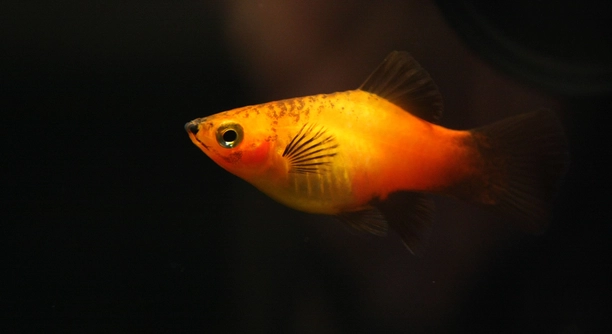
Platies are small freshwater fish often kept in home aquariums. These colorful creatures show interesting behaviors that many fish lovers enjoy observing. Their senses help them interact with their environment in subtle ways.
Platies can recognize familiar smells in their surroundings. They use their olfactory senses to detect and remember chemical cues linked to food, mates, or territory. This ability plays a role in their survival and social interactions within the aquarium.
Exploring how platies use their sense of smell can reveal more about their daily lives and how to care for them properly. Understanding this helps improve their well-being and makes keeping them more rewarding.
How Platies Use Their Sense of Smell
Platies rely heavily on their sense of smell to navigate their environment. Their noses pick up chemical signals in the water, which helps them find food or recognize other fish. This sense is essential for survival since vision can be limited in murky or dim water. Platies often use smell to identify familiar tank mates and avoid strangers. They can also detect changes in water quality, which helps them stay safe. In some cases, platies use scent to locate breeding partners or defend their territory. Their olfactory system is quite sensitive, allowing them to detect even faint odors. This ability helps them build a kind of memory about their surroundings. Over time, they learn which smells are safe and which may signal danger. Understanding this helps aquarium owners provide a better environment by avoiding strong, unfamiliar chemicals.
Their sense of smell is an important tool for everyday decisions in the tank.
Learning about platies’ smelling habits can improve tank care. Avoiding sudden changes in water chemistry reduces stress. Keeping their environment stable supports healthy behavior. Noticing how platies react to new scents helps identify problems early. It also helps with breeding, as platies often rely on smell to choose mates. Making sure the tank water is clean and free of harsh chemicals keeps their noses happy. Using gentle water conditioners and avoiding strong fragrances nearby benefits their well-being. When platies feel comfortable with familiar smells, they show more natural behavior, making them easier to observe and enjoy.
Smell and Social Behavior in Platies
Platies use their sense of smell to recognize tank mates and maintain social order.
Smell helps platies stay connected with their group and avoid conflicts. Fish release chemical signals to communicate, which others can detect easily. This communication helps reduce aggression by signaling submission or readiness to mate. Platies can remember these scents and recognize individuals, making social interactions smoother. This ability also helps parents recognize their young or siblings. If unfamiliar smells appear, platies may act more cautiously or become stressed. Keeping their environment consistent allows platies to feel secure and behave naturally. When introducing new fish, it’s helpful to mix tank water slowly to help platies get used to new scents. This reduces stress and helps them accept new companions faster. Proper care of water quality supports this important sensory function.
The Role of Smell in Feeding Behavior
Platies rely on their sense of smell to find food in the tank. This helps them identify edible items quickly and avoid harmful substances. Their noses guide them toward familiar food scents, making feeding times easier.
When feeding platies, their sense of smell plays a key role in how they search for food. They can detect small traces of food particles in the water, even if the food isn’t visible right away. This ability helps platies stay active and healthy, as they don’t waste energy searching blindly. They are more likely to respond quickly to foods with strong, natural scents like live or frozen items. Dry pellets with less scent might take longer for them to find, especially in larger tanks. Understanding this can help when introducing new food or supplements.
Providing a variety of food with different natural smells keeps platies interested and encourages healthy eating habits. Changing up their diet supports their sense of smell and overall well-being. Platies that can smell their food well tend to eat more confidently and gain better nutrition. When tank water is clean and free of strong odors, their smelling ability improves. This balance is important for their appetite and growth.
How Environmental Changes Affect Smell Recognition
Sudden changes in tank water can disrupt platies’ ability to recognize familiar smells. This may cause stress or confusion.
Platies are sensitive to changes in water chemistry, temperature, and the introduction of new substances. These changes can mask familiar scents, making it harder for platies to identify food, mates, or territory markers. When unfamiliar smells enter their environment, platies may become cautious or stressed, sometimes hiding or reducing activity. Gradual changes in water conditions help minimize this problem. Keeping the tank stable supports their sense of smell and overall behavior. Monitoring water quality regularly and avoiding harsh chemicals ensures a consistent environment. This helps platies feel safe and maintain normal social and feeding habits.
How Platies React to New Scents
Platies often respond cautiously when introduced to new smells. This reaction helps them stay alert to potential threats or changes in their environment.
Over time, they can become accustomed to these new scents if the changes are gradual and not harmful. This adaptation helps them maintain social harmony and reduces stress in the tank.
The Impact of Water Quality on Smell Recognition
Poor water quality can interfere with platies’ ability to detect familiar smells. Pollutants and waste build-up may overwhelm their senses, making it harder to recognize important chemical cues. This can affect their feeding, breeding, and social interactions. Maintaining clean, well-filtered water is essential for preserving their olfactory functions. Regular water changes and avoiding overfeeding help keep the water clear. When water quality is stable, platies rely on their sense of smell to thrive. This makes their behavior more natural and predictable, which benefits both the fish and the keeper.
Smell and Breeding Behavior
Platies use smell to identify suitable mates and breeding partners.
FAQ
Can platies really recognize familiar smells in their tank?
Yes, platies have a well-developed sense of smell that helps them recognize familiar chemical cues in their environment. They use these smells to identify food, mates, and tank mates. This ability improves their chances of survival by helping them avoid danger and find resources more easily.
How does smell affect platies’ feeding habits?
Smell plays a big role in how platies find and choose food. They are attracted to natural scents and can detect food particles in the water, even when the food is not visible. This means that food with strong, natural odors is more likely to be found quickly and eaten eagerly by platies.
What happens if the tank water smells different or changes suddenly?
Sudden changes in water chemistry or new smells can confuse or stress platies. They may hide or become less active if unfamiliar odors are introduced abruptly. To help them adjust, it’s best to make changes gradually and keep the water clean and stable.
Can platies distinguish between familiar and unfamiliar fish by smell?
Yes, platies can recognize the chemical signatures of familiar tank mates. This helps reduce aggression and promotes peaceful social behavior. When new fish are added, platies might initially react cautiously until they become used to the new smells.
Does poor water quality affect their ability to smell?
Poor water quality can interfere with platies’ olfactory senses by overwhelming them with waste and pollutants. This makes it harder for them to detect important smells, which can negatively impact feeding, breeding, and social interactions. Keeping water clean helps maintain their smelling ability.
How important is smell in platy breeding behavior?
Smell is crucial for platies during breeding. They use scent to identify suitable mates and recognize reproductive readiness. This chemical communication ensures that platies find the right partners and time their breeding successfully.
Can platies learn to recognize new smells over time?
Yes, platies can adapt to new smells if introduced gradually and safely. This helps them stay calm and reduces stress when changes happen in their environment, like new fish arrivals or diet changes.
Are there any signs that a platy is stressed due to smell issues?
Signs include hiding more often, reduced activity, and loss of appetite. These behaviors suggest platies may be overwhelmed by unfamiliar or unpleasant smells in their tank. Addressing water quality and avoiding sudden changes usually helps.
How can I help my platies adjust to new smells?
Introduce new fish or food slowly, mixing tank water to transfer scents gradually. Maintain a stable environment with clean water to support their natural smelling abilities. This approach reduces stress and helps platies accept changes more easily.
Do all fish have a good sense of smell like platies?
Many fish species use their sense of smell, but the sensitivity varies. Platies have a fairly strong sense of smell compared to some other aquarium fish, which makes scent recognition important for their daily behavior and well-being.
Platies use their sense of smell in many important ways. This ability helps them find food, recognize other fish, and stay safe in their environment. Smell is one of the key senses that guide their behavior every day. When their surroundings have familiar scents, platies feel more comfortable and act more naturally. This makes a big difference in how well they live in an aquarium. Understanding how platies use their sense of smell can help fish owners care for them better and provide a stable, healthy environment.
Keeping the water clean and stable is very important for platies to use their smelling ability well. When water quality changes suddenly or becomes poor, platies can get stressed. Stress affects their health and may cause them to hide or eat less. By doing regular water changes and avoiding harsh chemicals, you help platies keep their sense of smell sharp. This allows them to find food easily, recognize friends, and respond to their environment as they should. A calm and steady tank makes platies more active and happy.
Recognizing that platies use smell to interact with the world can also improve how they are introduced to new fish or foods. Gradual changes and mixing tank water can help platies adjust to new scents without fear or stress. Over time, they learn to accept new smells and stay social and healthy. Paying attention to their reactions and keeping their tank conditions consistent supports their well-being. Overall, smell is a simple but important part of a platy’s life that helps them thrive in home aquariums.

Hello,
If you enjoy the content that we create, please consider saying a "Thank You!" by leaving a tip.
Every little bit helps us continue crafting quality advice that supports the health, happiness, and well-being of pets around the world, for pets of all shapes, sizes, and species.
We really appreciate the kindness and support that you show us!