
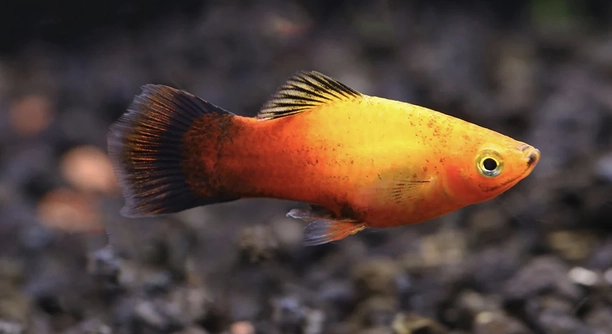
Platies are small, colorful fish that brighten many home aquariums. They often gather near the heater guard, catching the attention of many fish owners. This behavior can seem puzzling but is quite common among platies.
Platies hover around the heater guard primarily because they seek warmer water temperatures. The heater creates a localized area of warmth, which is comforting and helps regulate their body temperature, especially in cooler or unevenly heated tanks.
Understanding why platies prefer these warm spots helps improve their care and overall tank environment. The following information will explain this behavior clearly and simply.
Why Platies Like Warm Water
Platies are tropical fish that prefer warm water to feel comfortable and healthy. When the water temperature drops even slightly, they often look for warmer spots in the tank. The heater guard provides a steady source of gentle warmth, making it a perfect place for them to relax. This behavior is natural and helps them maintain their body functions smoothly. Fish do not have a way to regulate their temperature internally like mammals do, so they rely on their environment. The heater guard creates a small warm zone in the tank, especially helpful during cooler nights or if the aquarium’s heat is uneven. Watching platies gather near this spot can be calming and shows their instinct to find comfort. Providing stable water temperature overall can reduce how much they cluster near the heater guard.
Warming spots like the heater guard help platies stay active and healthy.
Keeping the aquarium temperature steady between 74°F and 78°F is ideal for platies. If the temperature dips below this range, they will naturally move toward warmer areas, such as near the heater guard. Sudden changes in temperature stress fish and can make them more prone to illness. The heater guard creates a microenvironment that can protect them from these temperature swings. Ensuring your heater is functioning correctly and placing it in an area with good water flow helps spread warmth evenly. This way, platies won’t need to gather in one place as much, promoting better overall movement and interaction in the tank.
How to Improve Your Platies’ Comfort
Providing consistent warmth throughout the aquarium reduces the need for platies to stay near the heater guard.
To improve comfort, use a reliable heater with a thermostat to keep water temperature stable. Avoid placing the heater in a spot with poor circulation, as uneven heat can cause platies to cluster near it. Adding live plants or decorations can help distribute warmth and give fish more places to explore. Regularly check the temperature with a thermometer to catch any drops early. If the room where the tank is located gets cold, consider insulating the tank or moving it away from drafts. These steps ensure your platies stay comfortable and reduce their dependence on the heater guard area, encouraging more natural swimming patterns.
Heater Guard Safety for Platies
The heater guard protects platies from direct contact with the heater’s hot surface. This is important because the heater can get very warm and may burn the fish if they touch it.
Without a guard, platies risk injury by brushing against the heater. The guard also prevents the fish from getting trapped between the heater and the tank wall. It creates a safe barrier while allowing heat to flow into the water. Many aquarium heaters come with guards built-in, but some require separate attachments. Always check that the guard is secure and free of damage to keep your platies safe. This small detail helps maintain a healthy tank environment and reduces stress for your fish.
Using a heater guard is a simple yet effective way to protect your platies. It provides peace of mind, knowing they are safe around the heater’s warmth.
Other Reasons Platies Hover Near the Heater Guard
Platies may also gather near the heater guard because it offers a feeling of security. The guard and heater can act like a small shelter in the tank. Fish often seek places where they feel protected from strong currents or bright lights.
In addition, the gentle heat near the guard encourages their metabolism and digestion. When platies are relaxed and warm, they tend to be more active and eat better. This area can also be a social spot where platies meet and interact. Understanding these behaviors helps create a better tank setup. Adjusting water flow, lighting, and decorations can balance the tank environment, so platies do not rely too heavily on one spot. Keeping a healthy habitat ensures your platies remain happy and vibrant over time.
Watching Platies Near the Heater Guard
Observing platies near the heater guard can reveal much about their health and comfort. Their behavior often reflects how well the tank environment suits them.
If they spend too much time clustered around the heater guard, it may indicate the water is too cold or unevenly heated.
Signs of Temperature Stress in Platies
Platies showing signs of temperature stress may appear lethargic or hide more than usual. They might gasp at the surface or lose appetite. These symptoms suggest the water temperature is not ideal. Maintaining a steady temperature within their comfort range helps prevent stress and illness. Adjusting the heater and checking for drafts or cold spots in the tank can improve conditions. Consistent warmth encourages normal behavior and supports the health of your platies, helping them thrive in your aquarium.
Maintaining the Heater Guard
Regularly inspect the heater guard for cracks or buildup to ensure it remains safe and effective for your platies.
FAQ
Why do platies prefer to stay near the heater guard?
Platies stay near the heater guard because it provides a warm and comfortable spot in the tank. They are tropical fish that need stable, warm water to maintain their health. The heater guard creates a small warm zone, especially useful if the tank temperature fluctuates or feels cooler in some areas. This warmth helps their metabolism and keeps them active. The guard also offers a safe area where they can rest without risking direct contact with the heater, which could harm them.
Is it normal for platies to cluster near the heater guard all the time?
It can be normal, but if platies are always clustered there, it might mean the overall tank temperature is too low or uneven. Ideally, the water temperature should stay between 74°F and 78°F. If your fish spend too much time near the heater guard, check the tank heater’s settings and placement. Uneven heat distribution or cold spots can cause fish to seek warmer areas. Improving tank circulation and insulation can help spread heat evenly, encouraging platies to swim freely throughout the tank.
Can platies get hurt by touching the heater?
Yes, platies can get injured if they come into direct contact with the heater. The heater surface can become very hot and may burn or stress the fish. That’s why a heater guard is important—it acts as a protective barrier, preventing fish from touching the heater directly. Always make sure the heater guard is properly installed and intact to avoid any risk of injury. Regular checks are a good idea to maintain a safe environment for your fish.
How often should I check the heater guard?
You should check the heater guard at least once a week. Look for cracks, broken parts, or buildup of algae and debris that could block water flow or harm the fish. Cleaning the guard gently when needed keeps it effective and safe. A damaged guard might expose your platies to the heater’s hot surface, so early maintenance helps prevent accidents.
What temperature is best for platies?
Platies do best in water temperatures between 74°F and 78°F. This range keeps their metabolism balanced and supports their immune system. Temperatures outside this range, especially cooler water, can cause stress and illness. Use a reliable aquarium heater with a thermostat to maintain a steady temperature. Monitor the tank temperature regularly with an accurate thermometer to avoid surprises.
Why do platies sometimes hover near the heater even if the tank feels warm?
Even in a warm tank, small temperature differences may exist. Platies may hover near the heater guard because that spot feels slightly warmer or more stable. The gentle warmth near the guard helps them feel secure and relaxed. Additionally, the heater guard can act like a shelter, providing a sense of safety from tank currents or bright lights. This behavior is natural and doesn’t usually mean anything is wrong.
Can too much heat near the heater guard harm platies?
Yes, excessive heat can stress or injure platies. The heater should keep the water warm but not too hot. If the temperature near the heater guard rises above their comfort zone, fish may avoid the area or show signs of distress. Always use a thermostat and thermometer to control heat levels. Position the heater where water flows well to help distribute warmth evenly throughout the tank.
What else can I do to make my platies comfortable besides using a heater guard?
Besides the heater guard, ensure the aquarium has stable water temperature and good circulation. Adding live plants and decorations gives platies hiding places and reduces stress. Avoid sudden temperature changes by insulating the tank and placing it away from drafts. Regular water changes and tank cleaning improve water quality, helping platies stay healthy. These small efforts combine to create a comfortable, safe home for your fish.
Final Thoughts
Platies are beautiful and lively fish that need a stable and comfortable environment to thrive. One important part of their care is keeping the water temperature steady and warm enough. This helps them stay healthy and active. When platies hover around the heater guard, it is usually because they are looking for warmth. This is a natural behavior, especially if the tank water is cooler than ideal or unevenly heated. The heater guard creates a small warm area that platies find comforting. It also protects them from the heater’s hot surface, which can cause injury if they touch it directly.
Keeping the heater guard in good condition is a simple but important step in maintaining your platies’ safety. Checking for cracks or buildup regularly prevents problems before they start. At the same time, making sure the heater is set to the right temperature and placed where water flows well helps keep the whole tank evenly warm. When the temperature is stable and comfortable throughout the tank, platies will spend less time crowded near the heater guard. They will swim freely and show more natural behaviors, which is a good sign that they are healthy and happy.
Finally, remember that temperature is just one part of caring for platies. A clean tank, proper nutrition, and enough hiding spots all contribute to their well-being. Watching how your platies behave gives clues about their comfort and health. If they seem stressed or inactive, check the water temperature and other tank conditions. With a little attention to their environment, platies can live long, vibrant lives. Providing consistent warmth and a safe space around the heater guard is an easy way to help your fish feel secure and well cared for.

Hello,
If you enjoy the content that we create, please consider saying a "Thank You!" by leaving a tip.
Every little bit helps us continue crafting quality advice that supports the health, happiness, and well-being of pets around the world, for pets of all shapes, sizes, and species.
We really appreciate the kindness and support that you show us!