
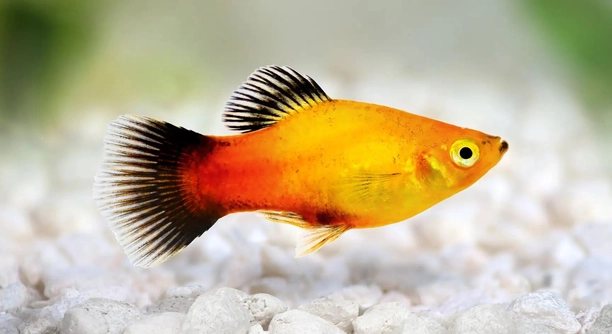
Platies are small, colorful fish often kept in home aquariums. Many people enjoy watching their movements and behaviors. Some owners wonder if these fish can show emotions through their swimming patterns.
Research suggests that platies do not express emotions in the way humans understand them. Their swimming behaviors mainly reflect basic needs like hunger, stress, or environmental changes, rather than complex emotional states.
Recognizing the differences between instinct and emotion can help owners better care for their platies and understand their actions more clearly.
How Platies Use Swimming to Communicate
Platies often use swimming patterns to send signals to each other and to their surroundings. They may swim quickly when startled or dart around during feeding time. Slow, gentle swimming usually means the fish is relaxed and comfortable in its environment. Changes in swimming speed or direction can also show stress, especially if the water quality is poor or if the tank is overcrowded. Observing these patterns can help aquarists detect potential problems early. For example, if a platy suddenly hides and stops swimming actively, it could be feeling unwell or threatened. In a healthy tank, you will often see platies swimming smoothly and exploring, which indicates they feel safe and secure. Their movements are a form of communication, but these actions are driven by instincts rather than emotions like happiness or sadness. Learning to read these cues can improve how you care for your fish.
Swimming speed and patterns help show a platy’s physical state and environmental comfort.
Understanding these signals is key to maintaining a healthy aquarium. Watching for unusual swimming behaviors, such as erratic darting or prolonged inactivity, can reveal stressors. Stress might come from poor water quality, aggressive tank mates, or lack of hiding spots. Keeping conditions stable encourages calm, steady swimming. This can make the fish more visible and active, allowing owners to enjoy their natural behaviors. Paying attention to swimming helps in adjusting tank conditions promptly to avoid illness and promote well-being.
Signs of Stress in Platy Swimming Behavior
Stress can cause noticeable changes in how platies swim.
When platies feel stressed, their swimming behavior often becomes erratic or withdrawn. They might dart nervously or hide for long periods. Stress usually results from changes in water temperature, poor water quality, or aggressive tank mates. These factors disrupt the fish’s comfort and safety, leading to unusual swimming patterns. For example, constant fast swimming near the surface may show oxygen deficiency. If you notice these changes, test water parameters and observe tank mates’ behavior. Providing plants or decorations offers hiding spots, reducing stress. Maintaining stable tank conditions minimizes stress and supports healthier swimming patterns. Recognizing these signs early can prevent illness and keep platies active and vibrant in the aquarium.
Understanding Platy Social Behavior
Platies are social fish that prefer living in groups. Being in a small school helps reduce stress and encourages natural swimming behaviors. Without companions, platies may become inactive or display unusual movements.
Group living affects their swimming patterns in many ways. When in a group, platies often swim together, creating a coordinated movement that can look like a dance. This schooling behavior is important for safety and comfort. It also helps reduce aggression among tank mates. When alone, platies may swim slower or hide more, which can be a sign of stress or boredom. Watching how your platies interact can help you decide if you need to add more fish to the tank. Keeping a healthy group will make the swimming appear more natural and lively, improving the overall tank environment.
Swimming in groups also influences how platies respond to threats. In a group, they are more likely to dart quickly together when startled, which is a natural defense mechanism. This reaction shows their survival instinct rather than an emotional response. Understanding these social behaviors allows for better care and a more enjoyable aquarium experience.
Environmental Factors Affecting Platy Swimming
Water temperature plays a key role in how platies swim. If it is too cold or too warm, their movements slow down or become erratic.
Water quality is just as important. Poor conditions like high ammonia or nitrate levels can stress platies, causing abnormal swimming behaviors such as listlessness or frantic darting. Keeping the water clean and well-filtered helps maintain steady, natural swimming patterns. Lighting and tank setup also matter. Bright lights or a bare tank may make platies hide or swim nervously. Including plants and hiding spots encourages calm swimming and reduces stress. Monitoring and adjusting these environmental factors supports healthy, active platies that display natural swimming behaviors regularly.
Recognizing Normal Swimming Patterns
Normal platy swimming is smooth and steady. They move calmly around the tank, exploring their environment without sudden or sharp movements.
Active swimming usually means the fish feels secure. Resting near plants or decorations is also a common, healthy behavior for platies.
When Swimming Patterns Indicate Illness
Changes in swimming, such as spinning, sinking, or floating uncontrollably, often signal illness. These symptoms should be addressed quickly. Checking water quality and seeking treatment may help prevent worsening health problems.
Feeding Behavior and Swimming
Platies often swim excitedly during feeding time. This quick, focused movement shows hunger and anticipation. Recognizing this helps owners understand their fish’s needs.
Impact of Tank Mates on Swimming
Aggressive or overly active tank mates can cause platies to swim nervously or hide. A calm community tank encourages natural, relaxed swimming.
FAQ
Can platies really show emotions through swimming?
Platies do not show emotions like humans do, but their swimming can reflect their physical state. For example, slow or hiding swimming often means stress or illness, while smooth, active swimming shows comfort and good health. Their movements are mostly instinctual responses to their environment.
Why do platies swim quickly and dart around sometimes?
Fast swimming usually happens when platies feel threatened or excited, such as during feeding or when startled. This behavior is natural and helps them avoid danger. If darting becomes constant without clear reason, it may signal stress or poor water conditions.
What does it mean when platies swim near the surface a lot?
Swimming near the surface can indicate low oxygen levels in the tank. Platies might do this to access more oxygen-rich water. It’s important to check water aeration and ensure proper filtration to keep oxygen levels stable.
Why do platies sometimes hide and stop swimming?
Hiding is a common way for platies to feel safe when stressed, sick, or uncomfortable. If a platy stops swimming often and stays hidden, it could be a sign of illness or poor tank conditions. Observing water quality and tank mates can help identify the cause.
How does tank size affect platy swimming behavior?
Small or overcrowded tanks limit swimming space and can stress platies, leading to abnormal swimming like frantic darting or lethargy. A properly sized tank with enough room to explore supports natural, relaxed swimming and better health.
Can platies swim differently based on the time of day?
Yes, platies tend to be more active during daylight and rest or swim slowly at night. This is a natural rhythm tied to light cycles. Providing a consistent light schedule helps maintain their normal swimming patterns.
Do platies swim differently when they are breeding?
During breeding, male platies often swim more actively and chase females. This chasing is part of courtship and may look like rapid or erratic swimming. Female platies might also hide more to avoid constant attention.
How do water temperature changes affect platy swimming?
Platies prefer stable temperatures between 72°F and 78°F. If water is too cold, their swimming slows and they may become inactive. If too warm, they might swim nervously or gasp at the surface. Keeping temperature steady promotes healthy swimming.
Is it normal for platies to swim upside down or sideways?
Swimming upside down or sideways usually signals a swim bladder issue or illness. This is not normal and requires attention. Adjusting water quality, diet, or seeking treatment from a vet can help correct this behavior.
What can I do if my platy’s swimming behavior changes suddenly?
Check water quality first—parameters like ammonia, nitrites, nitrates, pH, and temperature affect fish health. Look for signs of illness or stress and remove aggressive tank mates if needed. Improving the environment usually restores normal swimming behavior.
Platies are charming fish that add color and life to any aquarium. While they don’t show emotions the way people do, their swimming behaviors can tell a lot about their health and environment. Paying attention to how platies swim helps owners understand when the fish feel comfortable or when something might be wrong. Calm, smooth swimming usually means the fish are healthy and at ease. On the other hand, sudden changes like fast darting, hiding, or strange swimming patterns often point to stress, illness, or poor tank conditions. Observing these signs early allows you to make quick adjustments to keep your platies safe and happy.
Creating a good home for platies means focusing on water quality, temperature, tank size, and tank mates. Platies swim best when their environment is stable and clean. Overcrowding or aggressive fish can cause stress, which affects their movement and overall health. Offering plenty of plants and hiding spots gives platies places to rest and feel secure. Feeding on a regular schedule encourages natural swimming during mealtimes and keeps the fish active. When these basic needs are met, platies show their best behaviors and swimming patterns. It becomes easier to enjoy watching their natural curiosity and lively movements in the tank.
Ultimately, while platies may not express emotions, they communicate important information through their swimming. Understanding these behaviors helps owners provide better care and creates a more peaceful aquarium environment. It’s rewarding to learn what different swimming patterns mean and to respond in ways that support your fish’s well-being. Paying close attention to your platies not only improves their quality of life but also makes your time caring for them more enjoyable. With patience and observation, you can ensure your platies live healthy, happy lives, showing their unique personalities through their swimming every day.

Hello,
If you enjoy the content that we create, please consider saying a "Thank You!" by leaving a tip.
Every little bit helps us continue crafting quality advice that supports the health, happiness, and well-being of pets around the world, for pets of all shapes, sizes, and species.
We really appreciate the kindness and support that you show us!