
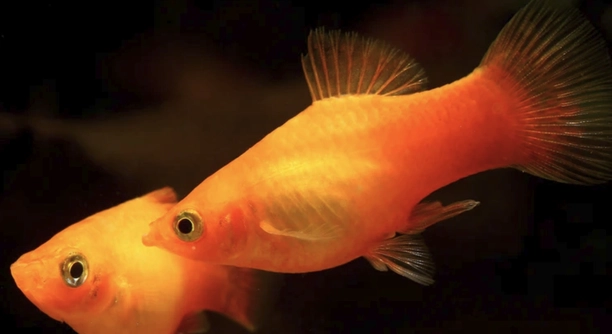
Platies are popular freshwater fish known for their vibrant colors and peaceful nature. They live in aquariums where water flow varies depending on the tank setup. Understanding how tank flow affects platies can improve their well-being and behavior.
Platies can become stressed or disoriented by strong or inconsistent water flow in tanks. Excessive current may interfere with their natural swimming patterns and cause confusion, while gentle, steady flow supports their comfort and normal activity.
Knowing how water movement influences platies helps create a healthier environment. This article explores the impact of tank flow on these delicate fish.
How Tank Flow Affects Platies
Water flow in an aquarium plays a significant role in how platies behave and feel. These fish prefer gentle currents that allow them to swim without struggling. When the flow is too strong, platies may get tired quickly or avoid certain areas of the tank. Strong currents can push them around, making it hard to control their movements. On the other hand, if the flow is too weak or stagnant, the water might not circulate well, which can reduce oxygen levels and affect water quality. Platies need a balance: enough flow to keep the water fresh but not so much that it overwhelms them. Adjusting the filter or adding plants can help create the right environment. Observing their swimming patterns is the best way to tell if the flow is comfortable for them.
Too much water movement can cause stress in platies, leading to hiding or erratic swimming.
Creating a well-balanced flow supports platies’ health and helps prevent stress-related behaviors. Adjusting the tank’s equipment and decorations can improve the flow and provide calm spots for resting.
Signs Platies Show When Confused by Flow
Platies react in visible ways when they are uncomfortable with the tank’s flow. They may swim against the current repeatedly, only to be pushed back, which tires them out. Some might hide more often or stay near the surface or bottom to avoid the flow. Erratic swimming, such as sudden darting or spinning, can also signal confusion or stress. These signs indicate that the fish are not at ease and that the water movement is likely too strong or uneven. A careful watch over their behavior helps in making quick adjustments to improve their comfort.
When platies struggle with the flow, they show signs of stress and discomfort clearly.
To help platies, reduce strong currents and provide plants or decorations that break the flow. These create calm areas where fish can rest and swim freely. Proper flow management is essential for keeping platies healthy and happy in their tanks.
Adjusting Tank Flow for Platies
Adjusting the flow starts with checking your filter settings. Many filters have adjustable flow rates. Lowering the flow can make the environment calmer for platies. You can also redirect the current with decorations or plants.
Using plants or tank decorations helps break up strong currents, creating peaceful zones. Floating plants or tall stems provide shelter and reduce direct flow. Rocks and driftwood can also redirect water gently, giving platies places to rest. These adjustments make the tank feel safer and less stressful. Experiment with placement to find the best setup that balances circulation and calm areas.
In some cases, switching to a gentler filter or adding a flow diffuser can improve conditions. Flow diffusers spread water movement evenly, reducing strong currents. Regular observation is important; watch how platies swim after changes. Their behavior will guide you in fine-tuning the flow. Ensuring the tank has a mix of calm spots and mild flow supports platies’ natural habits and keeps them comfortable.
Importance of Monitoring Platies’ Behavior
Platies’ behavior is a clear indicator of their comfort with tank flow. Watching for signs like erratic swimming or hiding helps identify if adjustments are needed. Behavioral changes can happen quickly when flow becomes unsuitable. Immediate attention prevents long-term stress or health problems.
Regular monitoring of platies helps maintain a healthy tank environment. Changes in swimming patterns, appetite, or activity levels can signal flow issues or other problems. Keeping a close eye allows early intervention and keeps the fish stress-free. Simple observations each day can make a big difference in their well-being. Understanding how platies respond to flow ensures a balanced, healthy aquarium setup.
Common Mistakes When Setting Tank Flow
Many aquarium owners set the flow too high, thinking stronger currents improve filtration. This often causes stress for platies. Another mistake is placing filters where flow is uneven or creates strong turbulence.
Proper flow should mimic natural conditions—gentle and steady. Overlooking flow adjustments after adding new equipment or decorations can also disrupt water movement, stressing fish.
Best Equipment for Controlling Flow
Using adjustable filters or adding flow diffusers helps manage water movement effectively. Sponge filters provide gentle filtration, ideal for platies. Powerheads with adjustable settings can be positioned to soften currents. Choosing the right equipment prevents excessive flow and creates a comfortable habitat.
Observing Flow Effects on Platies
Watch how platies swim and interact with their environment. Calm, smooth swimming suggests good flow, while frantic or struggling movements signal problems.
Tank Setup Tips for Platies
Arrange plants and decorations to create calm areas. Avoid placing strong-flow outlets near resting spots to reduce stress.
FAQ
Can strong water flow harm platies?
Yes, strong water flow can tire out platies and cause stress. They are small, peaceful fish that prefer gentle currents. Excessive flow pushes them around and makes it difficult to swim normally, which can weaken their health over time.
How can I reduce strong flow in my tank?
Adjust the filter’s flow rate if possible. Adding plants or decorations can help break up strong currents and create calmer areas. Using a flow diffuser or sponge filter also helps spread the water movement more evenly and softly.
Do platies prefer stagnant water?
No, stagnant water is not good for platies. They need some water movement for oxygen and cleanliness, but it should be gentle and steady. Too little flow can lower oxygen levels and cause water quality issues.
How do I know if my platies are stressed by the flow?
Signs include hiding frequently, swimming erratically, or staying near the tank edges or surface to avoid currents. They may also lose appetite or become less active. Watching their behavior closely helps catch these signs early.
Can tank size affect water flow for platies?
Yes, tank size and shape influence how water moves. Smaller tanks may have stronger currents from filters, while larger tanks allow flow to spread more naturally. Adjusting equipment and tank layout helps maintain suitable flow regardless of size.
Are certain filter types better for platies?
Sponge filters and adjustable power filters are usually best. They provide gentle, even water flow, which suits platies well. Avoid filters that create very strong jets or turbulence in the tank.
How often should I check my tank flow?
Regular checks are important. Whenever you add new decorations or equipment, observe the water movement and fish behavior. Weekly observations can help ensure the flow remains comfortable for platies.
Will adding plants help with flow issues?
Yes, plants act as natural flow breakers and offer resting spots for platies. Floating plants and dense stem plants are especially useful. They create calm zones where fish can escape strong currents.
Can changing the filter location help?
Moving the filter outlet to a different spot can improve water flow. Placing it where the current doesn’t directly hit resting areas allows platies to swim freely without stress.
Is it normal for platies to swim against the current?
Some swimming against mild current is natural and healthy exercise. However, if they struggle or get pushed back constantly, it shows the flow is too strong and needs adjustment.
Can poor flow cause illness in platies?
Yes, poor flow can lead to low oxygen and waste buildup, weakening immune systems. Stress from strong currents can also make platies more vulnerable to diseases.
What is the best flow setup for a community tank with platies?
Aim for gentle, even water movement that suits all species. Use adjustable filters, plants, and decorations to balance flow. Avoid placing strong jets near slow-moving or small fish like platies.
How can I test the flow in my tank?
You can use a small floating object like a leaf or bubble to see how fast and strong the current is. Observing the movement helps determine if the flow is too strong or gentle enough for platies.
Do baby platies react differently to tank flow?
Yes, fry and juveniles are more sensitive to strong currents. They need very calm water to grow safely. Adjust flow settings or create sheltered areas to protect young platies.
Can tank heaters or filters increase flow stress?
Some heaters and filters increase water circulation, which can add to flow strength. Position them carefully to avoid directing strong currents at platies’ favorite spots.
How important is regular maintenance for flow?
Very important. Cleaning filters and checking equipment ensures smooth water movement. Blocked or dirty filters can cause uneven flow or too strong currents.
Is it helpful to use multiple filters for flow control?
Multiple filters can spread water movement more evenly if placed thoughtfully. This avoids strong currents in one spot and creates a balanced flow suitable for platies.
Can substrate choice affect water flow?
Yes, certain substrates influence how water moves near the tank bottom. Fine sand or smooth gravel allows gentle flow, while large rocks may create turbulence or block currents.
How long does it take platies to adjust to new flow conditions?
Adjustment times vary. Some platies adapt within days, while others take weeks. Monitoring behavior helps decide if the flow setup is suitable or needs further change.
Are there signs that flow has improved for my platies?
Platies will swim more naturally, explore the whole tank, and show normal feeding habits. Reduced hiding and calmer swimming are good indicators.
What should I do if I can’t reduce strong flow?
Consider adding more plants or decorations to break currents. Using a sponge filter or flow diffuser can help. If needed, change to a gentler filter model better suited for platies.
Can lighting or temperature changes affect platies’ response to flow?
Yes, environmental stress like bright lights or unsuitable temperatures can worsen the effects of strong flow. Keeping stable conditions helps platies cope better.
Is it necessary to research flow needs before buying platies?
Yes, understanding flow preferences helps prepare a suitable tank. This prevents early stress and keeps platies healthy from the start.
How does flow affect platies’ breeding behavior?
Gentle flow is important during breeding. Strong currents can disrupt mating and fry survival. Providing calm areas encourages natural breeding behavior.
Can other fish in the tank influence platies’ response to flow?
Yes, active or larger fish creating their own currents can increase overall flow stress. Tank setup should consider all species’ needs.
What is the easiest way to improve flow for platies in an existing tank?
Start by adjusting filter settings and adding plants or decorations. Observe fish behavior and make small changes gradually to find the best balance.
Are commercial flow reducers effective?
Yes, devices like spray bars or flow diffusers are designed to spread and soften water movement, making tanks more comfortable for platies.
Can water changes affect flow?
Yes, water changes sometimes shift flow patterns temporarily. After changes, observe platies to ensure they remain comfortable.
How do I balance filtration needs with gentle flow for platies?
Use filters with adjustable flow or add flow-control devices. Regular maintenance keeps filters efficient without creating strong currents. Balance is key for clean water and fish comfort.
Can tank shape impact flow control?
Tanks with more corners or irregular shapes may have uneven flow. Adjusting filter position and adding decorations helps manage currents effectively.
Is it helpful to watch videos of platies in natural habitats?
Yes, observing platies’ natural swimming and preferred flow conditions gives insight into how to set up a comfortable aquarium environment.
Platies are peaceful fish that thrive best in aquariums with gentle, steady water flow. Understanding how tank flow affects them is essential for keeping them healthy and comfortable. Strong or uneven currents can cause stress and confusion, making it hard for platies to swim naturally. On the other hand, stagnant water with little movement can reduce oxygen levels and affect water quality. Striking the right balance by providing enough flow for circulation without overwhelming the fish helps create a stable environment where platies can thrive.
Adjusting tank flow often involves simple steps like lowering filter speed, repositioning equipment, or adding plants and decorations to break up currents. These changes help reduce stress and offer calm areas for the fish to rest. Watching platies’ behavior is the best way to know if the flow is right. When they swim smoothly and explore the tank, it usually means the flow suits them. Signs of stress, like hiding or erratic swimming, signal the need for flow adjustments. Regular observation and small changes can make a big difference in maintaining a healthy aquarium.
Creating a comfortable flow setup not only supports platies’ well-being but also improves the overall tank environment. Gentle, even water movement helps maintain clean water and good oxygen levels, benefiting all tank inhabitants. Using appropriate filters, adding flow diffusers, and providing natural flow barriers like plants contribute to a balanced habitat. Paying attention to tank flow ensures platies remain active, healthy, and stress-free, allowing them to display their vibrant colors and natural behaviors. Proper care in managing water flow is a key part of successful platy keeping.

Hello,
If you enjoy the content that we create, please consider saying a "Thank You!" by leaving a tip.
Every little bit helps us continue crafting quality advice that supports the health, happiness, and well-being of pets around the world, for pets of all shapes, sizes, and species.
We really appreciate the kindness and support that you show us!