
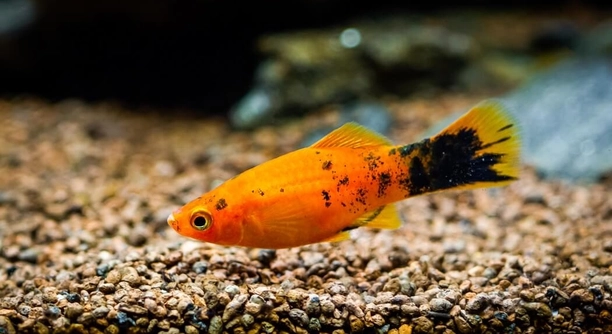
Platies are popular freshwater fish known for their vibrant colors and peaceful nature. Many aquarists enjoy watching their behavior in planted tanks. Sometimes, these fish swim directly into plants, which can seem puzzling at first glance.
Platies swimming into plants is often a natural behavior related to exploring their environment, seeking shelter, or searching for food. Plants provide hiding spots and help reduce stress, encouraging these fish to swim close or through foliage for security and comfort.
Understanding why platies prefer plant areas can improve tank setup and fish well-being. The following information explains their behavior and offers practical tips for maintaining a healthy aquatic habitat.
Why Platies Prefer Plants in Their Tank
Platies naturally seek out plants because these provide safety and comfort. In the wild, they often hide among plants to avoid predators and rest. Inside a tank, plants create a similar environment that helps platies feel secure. Swimming into and around plants also allows them to explore without feeling exposed. Additionally, plants offer shade and can reduce light intensity, which some platies appreciate. This behavior helps reduce stress and supports their overall health. It’s common to see platies darting quickly into foliage, especially when they feel threatened or startled. The presence of plants also encourages natural activity and social interaction among the fish, making the tank environment more stimulating and balanced. By including enough plants, you help mimic their natural surroundings, making the fish calmer and more active.
Plants also help maintain good water quality by absorbing excess nutrients, which benefits platies.
Adding a variety of plants creates a healthy habitat, improving fish behavior and tank aesthetics.
How to Create a Plant-Friendly Environment
Plants should be placed carefully to offer hiding spots without overcrowding. Too many plants can limit swimming space, stressing platies instead of calming them. Choose hardy plants like Java fern, Anubias, or Amazon sword, which tolerate platies’ activity and don’t require intense light. Make sure to trim dead leaves regularly to keep the tank clean. Using a substrate that supports root growth helps plants thrive and stay anchored. Proper tank maintenance includes checking water parameters and preventing algae growth on plants. Introducing plants gradually allows platies to adjust to their new environment. Observing how your fish interact with plants can guide changes in layout and plant types to better suit their needs.
Plant placement affects platies’ comfort and overall tank balance.
Providing the right mix of plants encourages natural behavior and supports their health over time.
Common Reasons Platies Swim Into Plants
Platies swim into plants for several reasons, including seeking shelter, reducing stress, and exploring their environment. This natural behavior helps them feel safe and comfortable in their surroundings.
Sometimes platies use plants as hiding spots when they feel threatened or stressed. Plants offer protection from bright light and sudden movements outside the tank. In other cases, platies may be hunting for tiny food particles that gather around plants. Their curiosity drives them to investigate new or dense foliage. If the tank lacks enough hiding places, platies might rely more heavily on plants for security. It’s also common during breeding, as plants provide cover for fry and help reduce aggression among adults.
This behavior signals that your fish feel the need for safety or stimulation. Providing ample plants and safe spaces supports their natural instincts and promotes healthier activity levels.
Signs of Stress in Platies
Stress causes platies to hide more frequently among plants and act withdrawn. Changes in water quality, overcrowding, or aggressive tankmates often trigger stress.
Monitoring water parameters like temperature, pH, and ammonia levels helps prevent stress. Poor water conditions make platies seek refuge in plants to avoid discomfort. Overcrowding limits swimming space and increases competition, pushing platies into plant areas for peace. Aggressive or territorial fish may cause platies to hide more often as a defense. Observing these signs early allows for adjustments in tank conditions or stocking to improve their environment. Reducing stress through careful maintenance and thoughtful tank setup helps platies feel safe and reduces their need to hide constantly.
Plants as Food Sources
Platies sometimes swim into plants because they find food there. Tiny insects, algae, and biofilm on leaves offer natural snacks.
These natural food sources supplement their diet and keep them engaged. Live plants encourage healthier eating habits and reduce boredom in the tank.
Avoiding Tank Stressors
Removing aggressive fish or overcrowding reduces the need for platies to hide in plants. A calm environment lowers stress.
Providing enough space and peaceful tankmates helps platies feel secure without relying solely on plants for safety.
Tank Setup Tips for Platies
Use a mix of tall and short plants to create varied hiding spots. Keep swimming areas open to prevent overcrowding. Regularly prune plants to avoid decay and maintain water quality. Ensure water conditions are stable and suited for platies. Combining these steps supports their natural behavior and overall health.
When to Seek Help
Persistent hiding or lethargy may indicate illness or poor tank conditions. Monitor fish closely and test water regularly.
FAQ
Why do my platies suddenly hide in plants more than usual?
A sudden increase in hiding often points to stress or changes in the tank. This could be caused by water quality issues, new tankmates, or temperature fluctuations. Platies seek refuge in plants when they feel unsafe or uncomfortable. Checking water parameters and observing other fish behavior can help identify the problem. Ensuring stable conditions and reducing disturbances usually helps platies feel more confident and active again.
Can platies damage live plants by swimming into them?
Platies are generally gentle swimmers and don’t usually harm plants. However, if the tank is overcrowded or lacks hiding places, they might uproot or nibble on delicate plants out of stress or boredom. Using hardy plants and securing them well in the substrate minimizes this risk. Providing enough plants and swimming space reduces plant damage and supports healthy fish behavior.
Are artificial plants a good substitute for live plants?
Artificial plants can provide hiding spots but lack the benefits of live plants like oxygen production and nutrient absorption. Live plants improve water quality and create a natural environment, which helps platies thrive. However, if live plants are difficult to maintain, a mix of artificial and live plants can work well. Just be sure to clean artificial plants regularly to prevent algae buildup.
How many plants should I keep in a platy tank?
A good rule is to cover about 50-70% of the tank with plants, leaving open swimming areas. This balance provides enough shelter and maintains water flow. Dense planting encourages natural behavior but avoid overcrowding, which can stress fish. Vary plant types and heights to create an interesting, functional habitat for your platies.
What types of plants are best for platies?
Hardy plants like Java fern, Anubias, Amazon sword, and Hornwort are great for platy tanks. They tolerate a range of water conditions and don’t require intense lighting. Floating plants can offer shade and additional hiding spots. Choose plants that match your tank’s conditions and your maintenance preferences for best results.
Can platies get stressed if there are no plants in the tank?
Yes, lack of plants can increase stress for platies. Without hiding places, they feel exposed and vulnerable, which can lead to illness or aggressive behavior. Adding plants or other decorations provides necessary shelter and reduces stress. If live plants aren’t an option, try adding caves, rocks, or artificial plants to create secure areas.
Do platies use plants for breeding purposes?
Yes, plants play an important role in platy breeding. Females often hide in plants to avoid aggressive males or protect their young. Plants also provide a safe area for fry to hide and grow. Dense planting encourages successful breeding and reduces stress for both adults and babies.
How do I know if my platies are healthy despite spending time in plants?
Healthy platies usually remain active, eat well, and show vibrant colors even if they hide in plants regularly. Watch for normal swimming patterns and responsiveness. If hiding is accompanied by lethargy, loss of appetite, or unusual spots, these may be signs of illness. Regular observation and proper tank care help keep platies healthy.
Is it normal for platies to swim into plants during feeding?
Yes, platies often explore plants while searching for food. Tiny particles or microorganisms live on plant surfaces and are a natural food source. Feeding near plants can encourage this behavior. It also helps distribute food throughout the tank, which keeps platies engaged and satisfied.
What should I do if my platies are constantly hiding and not swimming freely?
Constant hiding can indicate stress, illness, or poor water conditions. Test water quality, check tankmates for aggression, and observe for signs of disease. Improving water parameters and ensuring a peaceful environment often restores normal behavior. If hiding continues, consulting a vet or fish expert may be necessary.
Can lighting affect platies’ behavior with plants?
Lighting influences platies’ comfort and activity. Too bright lighting may cause them to seek shelter in plants more often. On the other hand, proper lighting supports plant growth, which benefits the tank ecosystem. Adjust lighting intensity and duration to find a balance that suits both plants and fish.
How often should I clean the plants and tank to keep platies comfortable?
Regular maintenance is key to a healthy tank. Clean plants by gently rinsing off debris during water changes. Remove dead leaves promptly to avoid decay. Aim for partial water changes weekly or biweekly depending on tank size. Consistent cleaning prevents algae buildup and maintains good water quality, helping platies stay healthy and stress-free.
Do platies prefer specific plants over others?
Platies don’t have strong preferences but tend to use plants that provide good cover and comfort. Dense-leaved plants or those with broad leaves are popular hiding spots. Floating plants also create shade and a sense of security. Observing your fish will help you understand which plants they favor.
How does tank size impact platies’ interaction with plants?
In smaller tanks, platies might feel cramped if plants take up too much space. This can increase stress and hiding behavior. Larger tanks allow for more plants and open swimming areas, promoting natural behavior and reducing competition. Always match plant quantity and tank size for the best environment.
Can platies use plants to escape aggressive fish?
Yes, plants provide crucial hiding spots when platies face aggression from other fish. Dense foliage helps reduce conflict and allows them to avoid confrontations. Including sufficient plants and peaceful tankmates lowers stress and creates a more balanced tank dynamic.
Platies swimming into plants is a common and natural behavior. Plants provide important benefits like shelter, security, and places to explore. In both home aquariums and the wild, platies use plants to feel safe from threats and to reduce stress. Watching them swim among the leaves can be a sign that your fish are comfortable and behaving normally. However, it’s important to understand why this behavior happens so you can create the best environment for your platies. Providing enough plants and space in the tank supports their health and happiness.
A well-planted tank offers many advantages beyond just hiding spots. Plants improve water quality by absorbing excess nutrients and producing oxygen. They also help create a more natural setting, which encourages platies to display their natural behavior. It’s best to choose hardy plants that fit your tank’s conditions and to avoid overcrowding the space. Keeping the tank clean and maintaining good water parameters are just as important to ensure your platies thrive. Observing how your fish interact with plants over time will help you adjust your setup as needed.
If platies spend a lot of time hiding in plants, it could be a sign of stress or poor water conditions. It’s important to monitor water quality regularly and make sure the tank has peaceful tankmates. Sometimes, adjusting lighting or adding more hiding spaces can improve their comfort. Consistent tank maintenance and careful observation help prevent health problems. By understanding and responding to their needs, you create a healthy and balanced environment that encourages platies to be active and enjoy their home.

Hello,
If you enjoy the content that we create, please consider saying a "Thank You!" by leaving a tip.
Every little bit helps us continue crafting quality advice that supports the health, happiness, and well-being of pets around the world, for pets of all shapes, sizes, and species.
We really appreciate the kindness and support that you show us!