
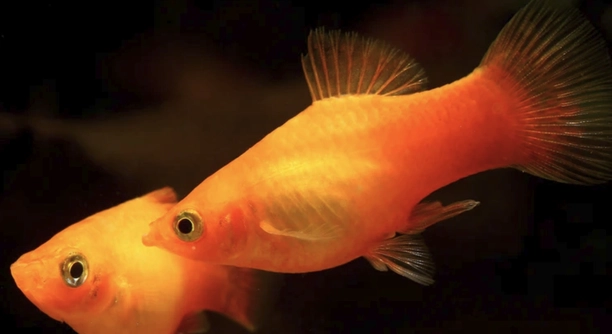
Is your platy constantly swimming around the tank without pause? Many fish owners notice this behavior and wonder what it means. It can seem unusual when a usually calm fish keeps circling nonstop for long periods.
This behavior often indicates stress, discomfort, or environmental issues in the tank. Factors such as water quality, temperature, tank size, or even health problems can cause your platy to swim continuously as it tries to adjust or escape discomfort.
Understanding why your platy acts this way can help you create a better environment. The following information will explain common causes and practical steps to improve your fish’s wellbeing.
Common Causes of Nonstop Circling Behavior
Platies often circle the tank when something in their environment feels off. Poor water quality is a major factor. High levels of ammonia, nitrites, or nitrates can stress your fish, making them swim continuously. Temperature also plays a role; if the water is too cold or too warm, it can disrupt their normal behavior. Overcrowding the tank adds stress as well. If the tank is too small or has too many fish, your platy may feel trapped and restless. Sometimes, parasites or infections cause discomfort, prompting nonstop swimming. Checking each of these factors carefully helps identify the problem and provides a way to improve your platy’s health and happiness.
Regular water testing is essential to maintain safe levels and ensure the tank environment supports your fish’s well-being.
Adjusting tank conditions based on these factors often results in calmer, healthier fish that stop circling nonstop.
How to Improve Your Platy’s Environment
Improving water quality starts with regular water changes and testing. Aim to replace 20-30% of the water weekly and use a water conditioner to remove harmful chemicals. Temperature should be steady between 70-77°F (21-25°C). Use a reliable aquarium heater and thermometer to monitor this. Avoid overcrowding by following the rule of one inch of fish per gallon of water. Adding plants and hiding spots can reduce stress by giving your platy places to rest. If disease is suspected, quarantine the fish and consult a vet or aquarium expert for proper treatment. Monitoring behavior daily helps catch early signs of problems and keeps your fish comfortable and calm in their tank.
Recognizing Signs of Stress in Your Platy
Stress in platies often shows through behavior changes like nonstop swimming. Other signs include loss of appetite, faded colors, or hiding frequently. These indicators suggest your fish is uncomfortable or unwell.
Stress can result from poor water quality, temperature fluctuations, or aggressive tank mates. Platies under stress may try to escape by swimming constantly, which can lead to exhaustion. Recognizing these signs early allows for quick action to improve their environment and reduce stress factors.
If ignored, stress weakens the immune system, making platies more prone to illness. Maintaining stable conditions and monitoring your fish closely helps prevent these issues and keeps them healthy and active.
The Role of Tank Setup in Fish Behavior
A proper tank setup plays a critical role in your platy’s behavior. Tanks that are too small or lack hiding places can cause anxiety and restlessness. Platies need space to swim comfortably and places to retreat when they feel threatened.
Adding plants, rocks, or decorations provides natural cover and reduces stress. Open swimming areas combined with secure hiding spots balance their environment, promoting calm behavior. Filters and aerators also improve water circulation and oxygen levels, which support overall health.
Regularly cleaning the tank and avoiding sudden changes help maintain a stable environment. A well-planned setup encourages natural behavior and prevents nonstop circling caused by discomfort or stress.
Monitoring Water Parameters Regularly
Testing water parameters is essential to keep your platy healthy. Key factors include ammonia, nitrite, nitrate, and pH levels. Regular testing helps catch issues early before they cause stress or illness.
Keeping these parameters stable reduces the chance of your platy exhibiting nonstop circling behavior caused by poor water quality.
Common Water Parameter Issues
Ammonia and nitrite should always be at zero, as they are toxic to fish. Nitrate levels must be kept below 20 ppm to avoid stress. The ideal pH for platies ranges between 6.8 and 8.0. Frequent water changes and good filtration help maintain these levels.
Feeding Habits and Their Impact
Overfeeding can pollute the water quickly, leading to poor conditions. Feed your platy small amounts once or twice daily, only what they can eat within a few minutes.
Stress Reduction Tips
Keeping a consistent feeding schedule and avoiding sudden changes helps reduce stress in your fish, promoting calmer behavior overall.
FAQ
Why is my platy swimming in circles nonstop?
Platies swim in circles nonstop mainly due to stress or discomfort. This behavior often signals poor water quality, improper temperature, or overcrowding. Sometimes, health problems like parasites or infections cause restlessness. The fish may be trying to escape discomfort or find a better spot in the tank. Checking water parameters, tank size, and your platy’s health usually helps identify the cause and improve the situation.
How do I know if my platy is stressed?
Stress in platies shows through nonstop swimming, loss of appetite, dull colors, or hiding more than usual. They might also become lethargic or show signs of disease. Sudden changes in behavior usually mean the environment needs adjustment, such as fixing water quality or tank conditions.
Can poor water quality cause nonstop swimming?
Yes, poor water quality is one of the main reasons for nonstop swimming in platies. High levels of ammonia, nitrites, or nitrates irritate the fish, causing discomfort and stress. Regular water testing and changes help keep the environment safe and calm.
What is the ideal temperature for platies?
Platies thrive in water temperatures between 70°F and 77°F (21°C to 25°C). Temperatures outside this range can stress the fish, making them more active or restless. Using a reliable heater and thermometer keeps temperature stable.
How often should I change the water in my platy’s tank?
It’s best to change 20-30% of the tank water weekly. This keeps harmful chemicals low and maintains a healthy environment. Always use a water conditioner to remove chlorine and other harmful substances from tap water.
Can overcrowding cause my platy to swim nonstop?
Overcrowding increases stress by limiting space and oxygen. This can make your platy restless and cause nonstop swimming. Follow the guideline of one inch of fish per gallon of water to prevent overcrowding.
Are tank decorations important for platy behavior?
Yes, decorations like plants and rocks give platies places to hide and rest. This reduces stress and prevents nonstop swimming caused by anxiety. A mix of open swimming space and hiding spots creates a comfortable environment.
Could illness be causing nonstop circling?
Yes, parasites, infections, or swim bladder issues may cause abnormal swimming patterns. If you notice additional signs like clamped fins, spots, or changes in appetite, consult a vet or fish expert for diagnosis and treatment.
How does feeding affect my platy’s behavior?
Overfeeding leads to poor water quality, which stresses fish and causes restless behavior. Feed small portions once or twice daily, only what your platy can eat in a few minutes. Proper feeding helps keep water clean and fish calm.
Can sudden changes in the tank environment cause nonstop swimming?
Yes, sudden changes in temperature, water chemistry, or tank layout can stress platies. Introducing new fish without quarantine also causes anxiety. Make changes gradually and monitor your fish closely after adjustments.
Is nonstop swimming always a problem?
Not always. Sometimes platies swim actively when exploring or during feeding time. But if the behavior continues for long periods without breaks, it usually indicates stress or discomfort needing attention.
What can I do to calm my restless platy?
Improve water quality, maintain stable temperature, avoid overcrowding, and provide hiding spots. Regular water changes and gentle handling reduce stress. Monitor behavior daily and adjust care as needed to promote calmness.
Final Thoughts
Understanding why your platy circles the tank nonstop helps you provide better care and a healthier environment. This behavior is usually a sign that something in the tank is causing stress or discomfort. It might be poor water quality, temperature changes, overcrowding, or illness. Paying close attention to these factors can improve your fish’s well-being and reduce unwanted behaviors.
Keeping your tank clean and maintaining proper water parameters is essential. Regular water testing and weekly water changes help keep ammonia, nitrite, and nitrate levels low. Stable temperature and enough space for swimming are equally important. Providing plants and decorations gives your platy places to hide, which can lower stress. Feeding the right amount on a consistent schedule also contributes to a balanced environment. These simple steps support your platy’s health and calm behavior.
If your platy continues to swim nonstop despite these efforts, it may need further attention. Signs of illness or injury require prompt care and possibly treatment. Observing your fish daily helps catch problems early. Being patient and consistent with tank maintenance will create a better home for your platy, allowing it to swim comfortably and thrive. Taking care of these needs ensures your fish remains active and happy without constant circling.

Hello,
If you enjoy the content that we create, please consider saying a "Thank You!" by leaving a tip.
Every little bit helps us continue crafting quality advice that supports the health, happiness, and well-being of pets around the world, for pets of all shapes, sizes, and species.
We really appreciate the kindness and support that you show us!