
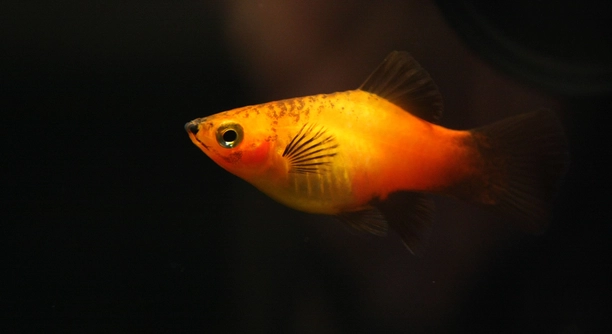
Do your platies often seem bored or less active in their tank, even when everything appears to be in order? Small changes might be all they need to feel more at home and engaged.
Platies enjoy a variety of simple tank additions that mimic their natural environment, offer stimulation, and provide hiding spots. From floating plants to gentle bubblers, these additions can help reduce stress, improve activity levels, and support overall well-being.
Creating the right tank environment is easier than you might think and can make a lasting difference in how your platies thrive.
Floating Plants for Shade and Security
Floating plants offer gentle cover that platies naturally gravitate toward. These plants help create a shaded environment, which reduces stress and encourages more natural behavior. Options like duckweed, frogbit, or water lettuce are simple to maintain and grow quickly without needing to be rooted. They soften lighting in the tank and give platies a place to hide or rest near the surface. This added sense of safety often leads to more active swimming and better overall behavior. Just be sure not to let them cover the entire surface, as platies still need easy access to oxygen-rich water.
Floating plants also help with water quality by absorbing excess nutrients. This can help reduce unwanted algae growth and stabilize the tank’s ecosystem.
With minimal effort, floating plants can change how your platies interact in the tank. Their calming presence supports natural movement and creates a more balanced space for your fish to thrive.
Smooth River Rocks for Exploration
Smooth river rocks give platies an interesting environment to explore without posing any risk of injury. These rocks are naturally safe and help anchor decorations.
Laying a few clusters of smooth stones around the tank encourages activity and promotes healthy curiosity. Their texture also allows beneficial bacteria to grow, improving water quality.
Gentle Sponge Filters for Calm Water
Platies prefer calm water without strong currents, and sponge filters provide just that. These filters are quiet, gentle, and ideal for maintaining a peaceful environment while still offering adequate filtration for a healthy tank.
Sponge filters are air-driven and don’t produce the harsh flow that power filters often create. This makes them perfect for platies, who thrive in gentle water. The soft bubbling from a sponge filter also helps with oxygen exchange without disturbing the tank’s layout. In addition, sponge filters provide surface area for beneficial bacteria, which support the nitrogen cycle and maintain safe water conditions. Maintenance is simple—just rinse them in old tank water during water changes to preserve bacterial colonies. Their design also prevents fry from being sucked in, which is helpful if you have baby platies. For small to medium tanks, a sponge filter is an easy upgrade that benefits both water quality and fish comfort.
A sponge filter also adds to the natural feel of the tank. Its soft bubbling sound can even be calming for you as well. The added bonus is that it runs on minimal electricity, making it both efficient and affordable. Your platies will enjoy the quiet, steady environment it helps maintain.
Live Plants for Shelter and Enrichment
Live plants help reduce stress in platies by offering shelter and making the tank feel more natural. They provide hiding spots and reduce empty space, which gives platies more confidence to swim freely and stay active.
Popular live plants like Java fern, Anubias, and hornwort are easy to care for and don’t require special lighting or substrate. These plants not only enhance the appearance of the tank but also serve practical functions. They absorb excess nutrients, which helps manage algae and improves overall water quality. Some plants even offer surfaces for fry to hide, increasing survival chances in a community tank. Regular trimming keeps growth in check and ensures they don’t block light or flow. Having live plants introduces gentle movement in the tank, which can calm your fish and make the tank look more natural. Adding just a few varieties can improve your tank’s health and your platies’ comfort.
Caves and Hiding Spots
Caves give platies a safe place to rest and avoid stress. They enjoy having cozy spaces to slip into when they feel overwhelmed or want quiet time away from brighter spots in the tank.
You can use ceramic decorations, driftwood, or stacked stones to create hiding areas. Just make sure there are no sharp edges.
Air Stones for Gentle Movement
Air stones help improve oxygen levels while creating soft bubbles that platies enjoy swimming through. The rising bubbles gently stir the water, which keeps it fresh without being too strong for your fish.
They also add a decorative element to the tank and work well with sponge filters. Air stones come in different sizes and shapes, making them easy to match with your tank’s layout. Since platies enjoy moderate movement, the subtle flow created by an air stone can keep them active without tiring them out. Adding one can also help reduce dead spots in the water, improving circulation. It’s a simple upgrade that brings both beauty and function to your aquarium.
Leaf Litter or Indian Almond Leaves
These leaves release natural tannins that support fish health and create a more natural setting. The soft layer also gives platies an extra place to explore or rest comfortably.
FAQ
What tank size is best for platies?
A tank of at least 10 gallons is recommended for platies. This size gives them enough space to swim freely and establish territories, which helps reduce stress and aggression. Larger tanks allow for more decorations and plants, making the environment more natural and stimulating for your fish.
How often should I clean my platy tank?
Cleaning should be done weekly or biweekly, depending on tank size and stocking levels. Partial water changes of about 20-30% help maintain water quality without disrupting beneficial bacteria. Regular gravel vacuuming and filter maintenance are important to keep the tank healthy.
Can platies live with other fish?
Yes, platies are peaceful and get along well with other community fish like guppies, mollies, and tetras. Avoid aggressive or much larger species that might stress or harm them. Always monitor new tankmates for compatibility.
Do platies need special lighting?
Platies do well with standard aquarium lighting that supports live plants if you have them. About 8 to 10 hours of light daily mimics their natural environment and helps plants grow, which benefits fish health.
What temperature do platies prefer?
Platies thrive in temperatures between 70°F and 78°F (21°C to 26°C). Maintaining a stable temperature within this range reduces stress and supports their immune system.
How can I tell if my platies are stressed?
Signs include hiding more than usual, loss of appetite, erratic swimming, or faded colors. Stress often comes from poor water quality, overcrowding, or sudden changes in the environment.
Are live plants necessary for platies?
Live plants are not mandatory but highly recommended. They improve water quality, provide hiding spots, and help mimic the natural habitat. They also reduce stress and encourage natural behaviors.
What do platies eat?
Platies are omnivores and eat a variety of foods, including flakes, pellets, frozen or live brine shrimp, and vegetables like spinach or zucchini. A balanced diet supports their health and vibrant colors.
How often should I feed my platies?
Feed small amounts once or twice daily. Avoid overfeeding, as leftover food can pollute the tank and harm water quality.
Can I breed platies in a community tank?
Yes, platies breed easily in community tanks, but fry may get eaten by other fish. Provide dense plants or breeding traps to protect babies if you want to raise them.
How do I prevent algae growth in the tank?
Maintaining proper lighting, regular water changes, and balanced feeding help prevent algae. Adding live plants and not overcrowding the tank also control algae naturally.
What is the best substrate for platy tanks?
Fine gravel or sand works well. These substrates allow for plant growth and are easy to clean without harming the fish.
Can platies live without a heater?
If room temperature stays within their preferred range, a heater may not be necessary. However, a heater helps keep temperature stable, which is better for platy health.
How do I introduce new tank decorations safely?
Rinse decorations thoroughly and avoid sharp edges that could injure fish. Avoid materials that can leach harmful chemicals, such as untreated wood or painted items.
What should I do if a platy gets sick?
Isolate the affected fish and test water quality immediately. Use appropriate medication based on symptoms, and keep the tank clean to prevent further illness.
How long do platies live?
Platies typically live 2 to 3 years with good care, proper diet, and a healthy environment.
This FAQ covers common concerns about platy care and tank setup, helping create a better space for your fish to enjoy.
Final thoughts on adding simple features to your platy tank focus on improving the overall well-being of your fish. Small changes like adding floating plants, smooth rocks, or gentle filters can make a big difference in how your platies behave and feel. These additions help create an environment that closely resembles their natural habitat, which lowers stress and encourages natural activities like swimming, hiding, and exploring. When fish feel safe and comfortable, they tend to be more active and display brighter colors, which is rewarding for anyone keeping platies.
It is important to remember that maintaining a balanced tank goes beyond just adding decorations. Regular water changes, monitoring temperature, and feeding your platies a varied diet all contribute to their health. Even the best tank additions will not be effective if water quality is poor or if the fish are overcrowded. Keeping the tank clean and stable ensures that the benefits of these additions are fully realized. A well-maintained environment allows your platies to thrive and reduces the risk of illness. Taking time to observe how your fish react to new additions can help you make the best choices for their comfort and safety.
Finally, tank additions don’t have to be complicated or expensive to work well. Simple items like air stones or Indian almond leaves can improve water quality and create a more natural setting without much effort. Thoughtful choices tailored to your tank size and your platies’ needs make a meaningful difference. By creating a calm, stimulating space, you support the long-term health and happiness of your fish. This approach makes fishkeeping more enjoyable and fulfilling, knowing that your platies are living in an environment that supports their natural behavior and well-being.

Hello,
If you enjoy the content that we create, please consider saying a "Thank You!" by leaving a tip.
Every little bit helps us continue crafting quality advice that supports the health, happiness, and well-being of pets around the world, for pets of all shapes, sizes, and species.
We really appreciate the kindness and support that you show us!