
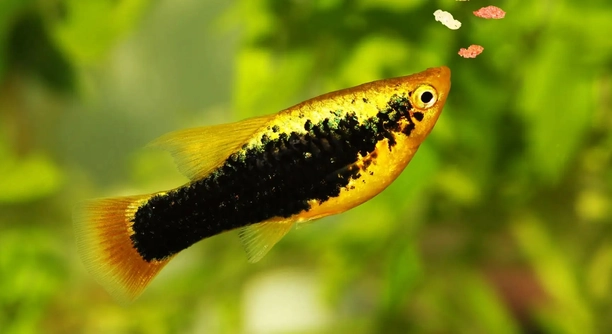
Platy fry are small, delicate fish that require proper care to grow healthy. Feeding them correctly is essential for their survival and development. Many common feeding mistakes can unintentionally harm these tiny fry.
Feeding habits such as overfeeding, providing unsuitable food sizes, and offering low-quality nutrition negatively affect platy fry growth and health. These practices can lead to poor digestion, water quality issues, and increased mortality rates among fry populations.
Recognizing harmful feeding habits is the first step toward improving care for your platy fry. The following points will help you understand how to support their healthy growth effectively.
Overfeeding the Fry
Overfeeding platy fry is a common mistake that can cause several problems. When fry receive too much food, they often cannot eat it all quickly. The leftover food starts to decay in the tank, which worsens water quality. Poor water conditions increase the risk of disease and stress for the fry. Additionally, overfeeding can cause digestive issues in young fish, leading to bloating and slowed growth. It is better to feed small amounts multiple times a day rather than a large portion at once. Observing how much the fry consume in a few minutes can help control feeding amounts. Maintaining clean water through regular changes also supports their health.
Feeding only the needed amount helps maintain good water quality and keeps fry healthier.
Careful feeding control reduces waste and encourages stronger development in platy fry. It also prevents the tank from becoming polluted too quickly, which can be dangerous for their survival.
Feeding Food Too Large to Eat
Feeding platy fry food particles that are too large can cause choking or prevent them from eating properly. Fry have tiny mouths and limited ability to chew or break down large pieces. This can lead to malnutrition or starvation if they cannot consume enough food. Using finely crushed flakes, powdered fry food, or specially designed fry pellets is essential. The food should be small enough to allow easy ingestion and digestion. Food that is too big may also waste in the tank, contributing to poor water quality. Ensuring the food is appropriate in size helps maximize nutrient intake and supports healthy growth.
When food is sized correctly, fry can feed efficiently and absorb more nutrients, improving their survival chances.
Large food particles hinder feeding success, while small, well-prepared portions promote better digestion and reduce waste buildup in the aquarium. Providing size-appropriate food consistently is key to nurturing young platies.
Using Inappropriate Food Types
Not all foods are suitable for platy fry. Foods that are too hard, oily, or lack proper nutrients can harm their delicate digestive systems. Avoid feeding adult fish flakes or pellets directly, as these can be difficult for fry to eat and digest. Instead, use foods specifically designed for fry or finely crushed versions of regular foods to ensure easier consumption and better nutrition.
Choosing the right food is essential. Foods rich in proteins and vitamins support growth and immunity. Avoid fatty or heavily processed options that can upset digestion. Natural foods like baby brine shrimp or microworms are excellent for fry development. These foods are easier to digest and mimic the fry’s natural diet. Feeding inappropriate food types may stunt growth, reduce activity, and increase vulnerability to disease.
Providing a balanced, suitable diet ensures platy fry develop strong immune systems and healthy bodies. Regularly rotating food types can also prevent nutritional deficiencies and encourage better feeding habits.
Feeding Infrequently or Irregularly
Feeding platy fry too rarely or at inconsistent times can cause stress and poor growth. They require frequent, small meals to meet their fast metabolisms and developmental needs. Irregular feeding disrupts their routine and weakens their health over time.
Platy fry digest food quickly and need to eat often—usually two to four times daily—to maintain energy and support rapid growth. Missing meals or long gaps between feedings can lead to malnutrition and slower development. Fry may also become more vulnerable to illness without a steady nutrient supply. Establishing a consistent feeding schedule helps regulate their metabolism and improves survival rates. Feeding at regular intervals ensures fry get the nutrients they need and builds healthy habits that carry into adulthood.
Consistency in feeding promotes better digestion, energy levels, and overall well-being, helping fry reach their full potential. It also makes tank maintenance easier by controlling leftover food and waste buildup.
Feeding Only One Type of Food
Feeding platy fry just one type of food limits their nutrient intake. A single food source often lacks all the vitamins and proteins fry need to grow strong and healthy.
Variety in diet supports balanced nutrition. Mixing different foods like flakes, live foods, and powdered fry food provides essential nutrients. It also encourages better appetite and prevents dietary deficiencies.
Feeding in Poor Water Conditions
Feeding fry in tanks with poor water quality increases stress and illness risks. Uneaten food worsens water conditions, so maintaining cleanliness is crucial.
Feeding Fry at Night
Feeding platy fry only at night can disrupt their natural feeding behavior. They are more active during the day and benefit from feeding during daylight hours.
What is the best food to feed platy fry?
The best food for platy fry is one that is small enough for them to eat easily and rich in nutrients. Powdered fry food, finely crushed flakes, and live foods like baby brine shrimp or microworms are excellent choices. These foods provide essential proteins and vitamins necessary for their growth. Avoid feeding adult fish flakes or pellets that are too large or hard to digest. Providing a mix of these foods helps ensure a balanced diet that supports healthy development.
How often should platy fry be fed?
Platy fry should be fed multiple small meals throughout the day, usually two to four times. Their metabolism is fast, so they require frequent feeding to maintain energy and promote steady growth. Feeding too rarely or in large amounts at once can cause digestive problems or poor water quality. Keeping a consistent feeding schedule helps fry develop good eating habits and supports their overall health.
Can overfeeding harm platy fry?
Yes, overfeeding can harm platy fry in several ways. Excess food that is not eaten decays in the tank, leading to poor water quality. This can increase the risk of disease and stress for the fry. Overfeeding may also cause digestive issues like bloating and slowed growth. It’s best to feed only the amount the fry can consume in a few minutes and remove any leftover food to keep the tank clean.
Why is water quality important when feeding fry?
Water quality is critical because leftover food and fish waste can quickly pollute the tank. Poor water conditions stress platy fry, making them vulnerable to disease and slowing growth. Regular water changes and removing uneaten food keep the environment healthy. Feeding smaller amounts more frequently helps prevent overloading the tank with waste, ensuring the fry live in clean water.
What happens if fry are fed food that is too large?
Food that is too large can cause choking or prevent fry from eating enough. Platy fry have very small mouths and limited ability to chew. Large food pieces may waste in the tank, further degrading water quality. Using powdered or finely crushed food allows fry to feed efficiently and digest nutrients properly. Proper food size is essential for good growth and survival.
Is variety in feeding important for platy fry?
Yes, variety is important because different foods provide different nutrients. Feeding only one type of food can lead to nutritional deficiencies and poor development. Mixing live foods, powdered food, and crushed flakes ensures fry receive a range of vitamins, proteins, and minerals. Variety also stimulates their appetite and encourages healthier feeding habits.
Can feeding fry at irregular times affect their health?
Feeding fry at irregular times can disrupt their metabolism and cause stress. Consistent feeding times help regulate their digestive system and energy levels. Irregular feeding can lead to malnutrition or slower growth. Establishing a regular schedule supports steady development and better survival rates.
Are live foods necessary for platy fry?
Live foods are highly beneficial because they mimic the fry’s natural diet and are easy to digest. They provide high protein content and promote active feeding behavior. While not absolutely necessary, incorporating live foods like baby brine shrimp or microworms improves growth and immune strength. If live foods are unavailable, quality powdered fry food can be a good alternative.
What signs indicate poor feeding habits in platy fry?
Signs include slow growth, bloating, lethargy, and increased mortality. Uneaten food or dirty water are also indicators of overfeeding or inappropriate feeding. Fry that refuse to eat may be given food that is too large or unsuitable. Monitoring behavior and tank conditions helps detect feeding issues early so adjustments can be made.
How can I prevent feeding problems with platy fry?
Prevent problems by feeding small, frequent meals with properly sized and nutritious food. Keep water clean through regular changes and remove leftover food promptly. Use a variety of foods to cover nutritional needs and maintain a consistent feeding schedule. Observing fry regularly will help catch issues before they become serious.
Proper feeding is one of the most important factors in raising healthy platy fry. Avoiding common mistakes, such as overfeeding, offering food that is too large, or feeding inappropriate food types, makes a big difference in their development. These small fish have delicate digestive systems and require careful attention to what and how much they eat. When feeding is done right, fry are more likely to grow strong, resist disease, and thrive in their environment. Paying attention to their needs early on sets a solid foundation for their future health as adult fish.
Maintaining clean water alongside good feeding habits is equally important. Leftover food can quickly pollute the tank and harm the fry’s delicate systems. Feeding small amounts multiple times a day helps reduce waste and keeps the water clearer. Regular tank maintenance and water changes work hand in hand with proper feeding to create a healthy space for the fry. When water quality is kept high, fry experience less stress and are better able to digest their food and grow. Feeding and water care should always be managed together to avoid common problems.
Finally, variety and consistency are key to supporting platy fry growth. Offering a mix of powdered foods, crushed flakes, and live foods like baby brine shrimp provides balanced nutrition. This variety ensures the fry get all the vitamins and proteins they need. At the same time, feeding on a regular schedule helps regulate their metabolism and energy levels. Fry that are fed properly and regularly show better activity and stronger immune systems. Careful feeding combined with good water management gives platy fry the best chance at healthy growth and survival.

Hello,
If you enjoy the content that we create, please consider saying a "Thank You!" by leaving a tip.
Every little bit helps us continue crafting quality advice that supports the health, happiness, and well-being of pets around the world, for pets of all shapes, sizes, and species.
We really appreciate the kindness and support that you show us!