
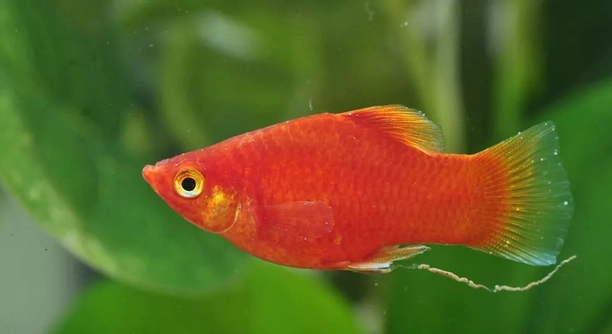
Many platy owners notice their fish gathering near the filter intake. This behavior can be puzzling and may cause concern about their health or tank conditions. Understanding why platies crowd the filter intake helps improve their environment.
Platies often crowd the filter intake because they are attracted to the higher oxygen levels and water flow in that area. Additionally, the intake can create a current that simulates natural river habitats, encouraging this behavior. Monitoring tank conditions ensures their well-being.
This article will explain the main reasons behind this common behavior and offer practical advice to maintain a healthy tank for your platies.
Why Platies Are Drawn to the Filter Intake
Platies tend to gather near the filter intake mainly because this spot provides higher oxygen levels. Water near the intake moves faster, creating more circulation and aeration. This movement mimics their natural environment, where currents bring fresh oxygen. In addition, the filter intake often attracts food particles and small debris. Platies may associate this with feeding opportunities, so they spend time nearby. Some fish also find the flow comforting and stimulating. However, too strong a current can stress them, so it is important to balance water flow. Monitoring your tank’s filter and observing your platies’ behavior can help maintain the right conditions. Proper placement of the intake and ensuring the water flow is not too harsh will keep the fish comfortable and healthy.
Higher oxygen near the intake encourages platies to stay close, making it a favored spot in the aquarium.
It’s important to adjust the flow to a gentle level that supports your platies without causing fatigue. If the current is too strong, they may become stressed and hide more often. Using a sponge or guard on the intake can protect smaller fish from suction. Regular water changes and proper filtration also maintain oxygen levels. Keeping an eye on fish behavior will help identify if the environment suits them. When the flow and oxygen balance are right, platies thrive and display more natural, relaxed behavior throughout the tank.
Managing Filter Flow for Healthier Platies
The water flow near the filter intake should be strong enough to oxygenate the tank but gentle enough not to tire the platies.
Adjusting filter settings or adding flow deflectors can create a calmer environment. Strong currents can cause stress and damage fins. Ensuring that the intake is shielded prevents accidental injury or trapping of small fish. Regular maintenance keeps the filter functioning efficiently without creating excessive turbulence. A balanced flow supports the health and activity levels of your platies, encouraging even distribution throughout the tank.
Common Tank Conditions That Affect Platy Behavior
Poor water quality can cause platies to gather near the filter intake. They may seek cleaner, oxygen-rich water as a response to stress or discomfort. Monitoring parameters like ammonia, nitrite, and nitrate is essential.
If ammonia or nitrite levels rise, platies may become lethargic or crowd the intake for relief. High nitrate can also cause discomfort and unusual behavior. Regular water changes and proper filtration reduce toxins and maintain a stable environment. Consistent testing helps catch issues early before fish become stressed or sick. Healthy water quality encourages platies to spread evenly throughout the tank instead of clustering near the intake. Proper tank maintenance is key to preventing this behavior and ensuring fish remain active and comfortable.
Inadequate space or overcrowding may also push platies to cluster near the intake area. A crowded tank increases competition for oxygen and food, leading to this gathering behavior. Maintaining proper stocking levels and providing hiding spots can improve comfort.
How to Improve Your Tank Setup
Positioning the filter intake in an area with moderate water flow helps distribute oxygen evenly without creating strong currents. Avoid placing it near decorations that block flow.
Using flow diffusers or sponge guards can soften water movement, preventing platies from being stressed by strong suction. Adding live plants improves oxygen levels and creates more balanced water circulation. Plants also offer shelter, reducing competition for space near the intake.
Choosing the right filter size is important. A filter that is too powerful can create excessive current, while a small filter might not oxygenate the water sufficiently. Balance between flow and tank size supports healthier fish behavior. Adjusting these factors promotes a calm, well-oxygenated tank where platies feel safe and distributed.
Signs Your Platies Are Stressed Near the Filter
Platies crowding the filter intake may show signs of stress such as rapid breathing, clamped fins, or hiding more often. These behaviors indicate discomfort with their environment.
If stress continues, it can weaken their immune system and make them more vulnerable to disease. Monitoring behavior closely helps prevent serious issues.
Adjusting Tank Conditions to Reduce Stress
Lowering the water flow and improving oxygen levels can calm stressed platies. Adding plants and decorations creates hiding spots and reduces competition. Regular water changes and checking water quality maintain a healthier environment. Simple changes in tank setup help platies feel secure and distribute evenly throughout the tank.
Avoid Overfeeding Your Platies
Overfeeding can lead to excess waste and poor water quality, causing platies to crowd the filter intake in search of cleaner water.
FAQ
Why do my platies always hang around the filter intake?
Platies are naturally attracted to areas with higher oxygen levels. The filter intake provides stronger water flow and increased aeration, which mimics their natural habitat. This makes the area comfortable for them. Sometimes, they also find small food particles near the intake, which adds to the attraction.
Is it harmful if platies crowd the filter intake?
It can be if the water flow is too strong. A powerful current can tire the fish, cause stress, or even injure their fins. Prolonged stress weakens their immune system and makes them prone to illness. If the flow is gentle, this behavior is usually harmless and natural.
How can I reduce the number of platies near the intake?
Adjust the filter flow to a gentler setting or use a flow diffuser to reduce current strength. Adding plants and decorations can provide hiding spots and distract the fish from gathering near the intake. Regular tank maintenance and balanced feeding also help distribute them evenly.
Could poor water quality cause platies to crowd the filter intake?
Yes, poor water quality often drives platies to seek oxygen-rich areas, which are usually near the filter intake. Elevated ammonia, nitrite, or nitrate levels stress the fish and cause them to behave unusually. Keeping the water clean and regularly tested prevents this problem.
What is the best filter type for a platy tank?
A filter that provides gentle but effective water flow is ideal. Sponge filters or adjustable power filters work well. They maintain good oxygen levels without creating strong currents that can stress platies. Proper filter size should match the tank volume for balanced filtration.
How often should I clean my filter to keep platies comfortable?
Cleaning frequency depends on tank size and bioload but generally once every two to four weeks is enough. Over-cleaning can remove beneficial bacteria, so rinse filter media gently in tank water. This helps maintain water quality and reduces stress for your fish.
Can overcrowding cause platies to crowd near the filter intake?
Yes, overcrowding increases competition for oxygen and food. Platies may cluster near the intake where oxygen is higher. Ensuring proper stocking levels and providing plenty of hiding spots improves their comfort and reduces this behavior.
Are there signs that show platies are stressed from filter intake crowding?
Watch for rapid gill movement, clamped fins, loss of appetite, or hiding. These are signs your platies are uncomfortable. If noticed, adjust water flow and improve tank conditions immediately. Early intervention prevents serious health problems.
Does feeding frequency affect platies’ behavior near the intake?
Overfeeding can pollute the tank and lower water quality, pushing platies to gather near the intake for cleaner water. Feeding small amounts twice daily and removing uneaten food helps maintain balance and reduces stress.
Is it normal for platies to stay in one spot for long periods?
While platies do rest, prolonged stationary behavior near the filter intake may signal stress or poor water conditions. Healthy platies swim actively and explore the tank. Monitor water parameters and tank setup to ensure they remain active.
Can adding live plants reduce platies’ crowding near the filter intake?
Live plants improve oxygen levels and provide shelter, encouraging platies to spread out. Plants also help absorb waste, improving water quality. Their presence creates a natural environment that reduces the need for platies to gather near the filter intake.
What can I do if platies are stuck or sucked into the filter intake?
Install a sponge guard or intake cover to prevent fish from being trapped. Check the filter flow regularly and reduce suction power if necessary. This protects small or weak platies from injury or exhaustion caused by strong currents.
How does temperature affect platies’ behavior near the intake?
Platies prefer stable temperatures around 72-78°F (22-26°C). Sudden changes can stress them, leading to unusual behavior like crowding the intake. Keeping the temperature steady with a reliable heater improves comfort and overall health.
Should I change filter placement if platies crowd the intake too much?
Yes, relocating the filter intake to a less central area or near plants can balance water flow and reduce crowding. Experiment with placement while ensuring proper filtration and oxygenation throughout the tank.
Are there specific platy species more prone to filter intake crowding?
No clear species differences exist, but individual fish behavior and tank conditions have more influence. Younger or smaller platies might seek calmer spots near the intake, especially if the current is too strong elsewhere.
Can a malfunctioning filter cause platies to crowd the intake?
Yes, if the filter is clogged or working inefficiently, water flow and oxygenation may decrease. Fish then crowd the intake to find cleaner water. Regular maintenance prevents filter problems and keeps fish healthy.
Final Thoughts
Platies crowding the filter intake is a common behavior that many fish owners notice. This behavior usually happens because the filter intake area has higher oxygen levels and water movement that attract the fish. It is natural for platies to seek spots in the tank that offer better conditions, especially when the rest of the tank has less oxygen or slower flow. Understanding this behavior helps in managing your aquarium so your platies remain healthy and comfortable.
It is important to pay attention to the water flow and quality in your tank. If the filter creates a very strong current, it can stress the platies and cause problems like fin damage or exhaustion. On the other hand, poor water quality, such as high ammonia or nitrate levels, can also push fish toward the intake as they look for fresher water. Regular testing and maintenance of the tank, including water changes and filter cleaning, keep the environment balanced and support your platies’ well-being. Making small adjustments to the filter flow and tank setup can greatly improve how your fish behave and feel.
Providing enough space, hiding spots, and plants in the aquarium helps distribute your platies evenly throughout the tank. This reduces crowding near the filter intake and lowers stress levels among the fish. Using gentle filters or adding flow diffusers softens the current and protects smaller or weaker platies. These simple changes create a calmer, more natural environment that supports healthy fish behavior. Keeping an eye on your platies’ habits and tank conditions allows you to respond quickly to any issues, ensuring your fish thrive for a long time.

Hello,
If you enjoy the content that we create, please consider saying a "Thank You!" by leaving a tip.
Every little bit helps us continue crafting quality advice that supports the health, happiness, and well-being of pets around the world, for pets of all shapes, sizes, and species.
We really appreciate the kindness and support that you show us!