
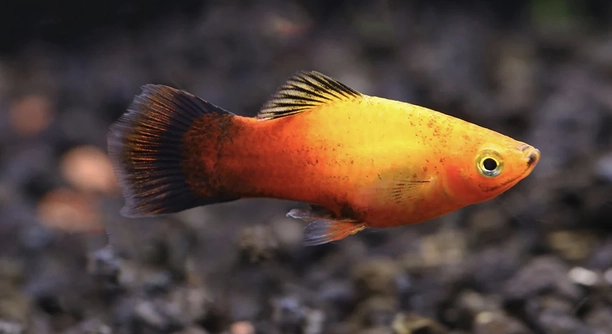
Have you ever watched your platies swim together and wondered what encourages their playful group behavior in the tank?
Group behavior in platies is influenced by several factors, including tank size, water quality, social needs, feeding habits, lighting, environmental enrichment, and their natural schooling instincts. These elements help promote social interaction and reduce stress.
From tank conditions to feeding schedules, each detail plays a role in shaping how your platies behave as a group.
Tank Size and Space Matter
Platies feel more comfortable in tanks that give them enough room to move around freely. A small tank can make them feel crowded or anxious, which leads to isolated behavior. In contrast, a spacious tank encourages swimming together and makes it easier for them to interact. A 20-gallon tank or larger works well for groups of platies. This gives them space to explore, establish territory, and feel less stressed. Overcrowding can lead to aggression or hiding, both of which disrupt group behavior. Adding horizontal swimming space instead of tall tanks is more beneficial, as platies prefer to swim side to side.
Too many fish in a small tank can make platies uncomfortable, leading them to avoid each other or act out.
Giving them a wider tank helps them feel safe and gives enough room for natural schooling behavior to happen without conflict. It also prevents competition over territory and helps them form stronger social bonds.
Clean, Stable Water Conditions
Poor water quality can cause stress, illness, and separation between platies, breaking up their usual group patterns.
Clean and stable water supports better group behavior in platies. Regular water changes and maintaining proper filtration are essential. Ammonia, nitrite, and nitrate levels must stay low. Fluctuations in pH and temperature can cause them to separate and become inactive. A good water testing kit helps monitor everything closely. Keep the temperature around 72–78°F, with a pH between 7.0–8.0. A reliable heater and filter make a big difference. Dirty water can lead to stress and poor immune function, making platies stay hidden or avoid each other. When the environment is clean and stable, they swim together more often, appear brighter in color, and engage in more natural behaviors. Watching them group together is a sign they feel safe. Good water quality also helps them live longer and stay healthy, reducing the risk of disease spreading in the tank.
Social Needs and Natural Schooling Instincts
Platies are social fish by nature and tend to feel more secure when kept in groups. Isolation often causes them to become shy, stressed, or inactive, which breaks their usual group behavior.
When kept in small groups of three or more, platies often display natural schooling behavior. They swim side by side, explore together, and react to stimuli in sync. This behavior helps them feel safe and reduces anxiety. A lone platy may hide or remain still for long periods. It’s important to provide enough companions so they can form a stable group. Watching them interact and follow one another is a good sign that they’re content and comfortable in their environment. The more secure they feel in the tank and with each other, the more active and social they’ll be.
Keeping an appropriate male-to-female ratio also supports group balance. Aim for two females per male to reduce stress.
Feeding Routines and Shared Activity
Platies often gather during feeding times, and a consistent routine helps them develop patterns of group movement. Random feeding can confuse them, while scheduled feeding encourages them to come together naturally.
Feeding platies at the same times each day helps build predictable behavior. They begin to associate certain times with food, which causes them to swim together in anticipation. Spread the food across the surface or use multiple feeding spots to prevent competition. Uneven feeding can lead to aggression, but spreading it out allows all fish to eat without stress. Watching them feed as a group is not only enjoyable but also shows they are thriving in their environment. A mix of flakes, micro pellets, and the occasional live or frozen treat keeps them healthy and alert. When platies feel secure and well-fed, their group behavior becomes stronger and more natural throughout the day.
Lighting and Daily Rhythm
Soft, consistent lighting helps platies stay active and encourages them to move together. Sudden changes or bright, harsh light can cause them to scatter and hide, disrupting their usual group behavior.
A regular light cycle supports their natural rhythm. Aim for 10–12 hours of light each day.
Decor and Environmental Enrichment
Platies need a space that feels safe, but not too cluttered. Decorations like live plants, smooth rocks, and driftwood give them places to explore and rest while still leaving open space for swimming. Group behavior improves when they feel protected yet free to interact. Avoid sharp objects or overly packed setups.
Avoiding Aggressive Tank Mates
Aggressive fish can intimidate platies and break up their social patterns. Keeping them with calm, peaceful species helps them swim together and feel safe in the tank.
FAQ
How many platies should be kept together to encourage group behavior?
Keeping at least three to five platies together encourages natural group behavior. These fish are social and feel more secure when surrounded by others of their kind. A group helps reduce stress and brings out their natural instincts to swim, eat, and explore together. Keeping just one or two can lead to boredom, hiding, or even aggression. When housed in a proper group, platies show more color, activity, and social interaction. For larger tanks, keeping even more platies—while maintaining a balanced male-to-female ratio—can strengthen group behavior and reduce stress-driven habits.
What is the ideal male-to-female ratio in a group of platies?
The best ratio is one male to two or three females. Male platies can be persistent in chasing females, and having more females in the group spreads out that attention. This helps reduce stress and makes the tank feel more balanced and peaceful. When males outnumber females, it often leads to constant chasing, hiding, or injury. A balanced ratio promotes calm behavior and allows the group to swim and interact without pressure. This setup also supports better breeding conditions and helps keep females from becoming exhausted or isolated.
Can other fish species affect platy group behavior?
Yes, tank mates can influence platy behavior significantly. Aggressive or territorial fish like cichlids or large barbs may stress out platies, causing them to hide or scatter. Peaceful species such as guppies, mollies, corydoras, or small tetras are better companions. These types of fish don’t interrupt platy group movement or feeding. Calm tank mates encourage platies to swim freely and interact with one another, while stressful ones break up their social behavior. Always research compatibility before adding any new species to the tank, and observe how the platies respond after any changes.
Does water temperature affect how platies behave in groups?
Yes, temperature plays a role in how active and social platies are. They thrive in temperatures between 72–78°F (22–25.5°C). When water is too cold, they become sluggish and separate from the group. If it’s too warm, it may increase stress and lead to erratic behavior. A stable temperature within the ideal range supports consistent group activity. Using a reliable heater and thermometer helps maintain comfort. In consistent temperatures, platies swim together more often, explore the tank confidently, and feed as a group. Sudden temperature swings can cause illness, stress, and loss of group cohesion.
How does tank layout affect platy social behavior?
A good tank layout supports both privacy and open space. Platies need places to rest or hide, such as live plants or caves, but they also need open areas to swim together. If the tank is too cluttered, they may separate or become territorial. If it’s too bare, they may feel exposed and stay in corners. A mix of both provides safety and encourages group interaction. Horizontal swimming space is more useful than vertical space. When the environment is well-designed, platies will naturally gather, explore, and feed in visible groups.
Why do my platies sometimes hide or separate?
Hiding or separating is often a sign of stress. Common causes include poor water quality, bullying from other fish, illness, or a sudden change in the environment. It can also happen if the group is too small or the tank is overcrowded. Start by checking water parameters, then observe their tank mates. Sick or stressed platies may also appear pale or stop eating. Once the stressor is removed, group behavior usually returns. Adding more hiding places, keeping stable water conditions, and ensuring a peaceful tank environment can help restore normal social behavior.
Final Thoughts
Platies are peaceful, social fish that thrive in environments where they feel safe and supported. Their natural behavior includes swimming in groups, feeding together, and interacting calmly with other fish. When the tank conditions are stable, and their needs are met, platies show clear signs of comfort and activity. Group behavior in platies isn’t forced—it comes naturally when the environment is right. Things like tank size, water quality, lighting, and companionship all play a role. These details may seem small, but together they have a big impact on how platies behave in the tank.
Watching platies move together is a sign that you’re doing something right. It shows that the fish are comfortable and feel secure. When you give them the space to swim, keep the water clean, and provide calm tank mates, they reward you with their active and social nature. Feeding routines, hiding spots, and even the light you use each day all affect their group habits. These fish are not demanding, but they do depend on consistency and gentle care. Small changes, such as rearranging the tank or forgetting a water change, can disrupt their comfort. A regular schedule and stable setup keep them relaxed and help group behavior continue over time.
Taking care of platies means understanding how all these pieces come together. You don’t need fancy equipment or a large aquarium to create the right space. What matters most is consistency and attention to the simple things. Clean water, enough room, peaceful company, and a few places to hide are usually enough to make your platies feel at home. As long as they feel safe, they will form natural groups and swim together comfortably. Watching them interact can be one of the most rewarding parts of keeping a community tank. It reminds you that even small changes in care can lead to better health and harmony. With time and patience, you’ll begin to notice how much their group behavior tells you about their overall well-being.

Hello,
If you enjoy the content that we create, please consider saying a "Thank You!" by leaving a tip.
Every little bit helps us continue crafting quality advice that supports the health, happiness, and well-being of pets around the world, for pets of all shapes, sizes, and species.
We really appreciate the kindness and support that you show us!