
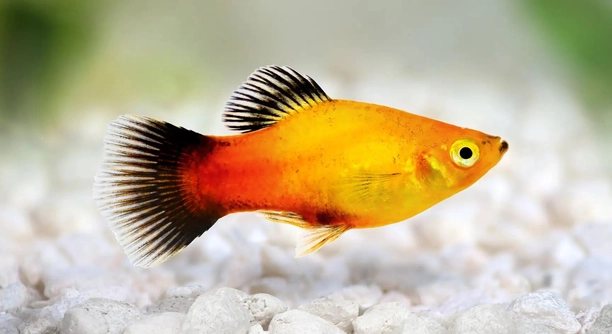
Platies are small, colorful freshwater fish often kept in home aquariums. Their behavior in different environments can be quite interesting to observe. Many fish owners wonder how platies react when placed in open spaces away from shelter.
Platies can feel unsafe in open spaces due to their natural instinct to seek protection from predators. Open areas expose them to threats, causing stress and cautious behavior. Providing hiding spots is essential for their sense of security and well-being.
Understanding how platies respond to their environment helps create better habitats. This knowledge ensures healthier, happier fish in your aquarium.
Why Platies Prefer Shelter
Platies naturally seek out places to hide because it helps them feel safe. In the wild, open water means danger from predators. Even in an aquarium, this instinct remains strong. When platies don’t have enough hiding spots, they become nervous and swim erratically. They may also spend more time near the tank’s edges or decorations that offer some cover. Providing plants, rocks, or caves in the tank helps reduce their stress and promotes calmer behavior. These hiding places allow platies to rest and feel secure, which is important for their overall health. Observing platies in a well-decorated tank shows they explore more and display natural behaviors, making them easier to care for and enjoy watching. Keeping this in mind helps create a better environment for them to thrive.
Shelter is key to reducing stress and supporting platies’ natural instincts in their habitat.
Platies respond well to tanks with plenty of hiding spots. Open spaces without cover can cause anxiety and affect their feeding and activity. Ensuring your tank has diverse shelter options will keep platies comfortable and healthier over time.
How Open Spaces Affect Platies’ Behavior
Platies exposed to large open spaces often show signs of stress. They may dart quickly or freeze in place, unsure of where to go. This behavior stems from their need to stay protected. Without nearby shelter, they feel vulnerable. This stress can weaken their immune system, making them more prone to illness. Sometimes, platies will try to hide behind tank equipment or stay near the surface where they feel less exposed. While a tank with open swimming areas is good, it should be balanced with plenty of secure spots. This balance allows platies to exercise and explore without fear. Tank owners who observe these behaviors can improve the setup by adding more plants or decorations that break up the open space. Doing so helps platies feel at ease and more active.
Adding plants and hiding spots creates a safe environment and encourages natural behaviors in platies.
Recognizing Stress in Platies
Signs of stress in platies include hiding more than usual, rapid gill movement, and loss of appetite. They may also become less active or swim erratically. Noticing these signs early helps improve their environment and care.
Stress affects platies’ health and behavior significantly. When exposed to open spaces without shelter, they often feel unsafe, which causes stress. This stress may weaken their immune system, making them vulnerable to disease. Stress can also cause platies to lose interest in eating, which impacts their growth and overall vitality. Watching your platies closely for these behaviors is important, especially if you have recently changed their tank setup or introduced new fish.
A calm and secure environment helps reduce stress. Adding plants and decorations that provide hiding places can encourage more natural behavior. This also improves their well-being and makes them easier to care for in the long run.
Creating a Comfortable Aquarium Space
Balancing open swimming areas with enough shelter keeps platies healthy and happy. They need room to move but also places to feel safe.
Providing a mix of open water and hiding spots mimics platies’ natural environment. Live plants, rocks, and caves serve as excellent shelters. These elements allow platies to explore freely without feeling exposed. Too much open space can cause anxiety, while too little limits their exercise and activity. It’s important to find the right balance in your aquarium setup to support their natural instincts and promote a peaceful atmosphere. Regularly checking your tank and adjusting the layout can keep platies comfortable and thriving.
Importance of Water Quality
Good water quality is essential for platies to feel safe and healthy. Poor conditions increase stress and make them more vulnerable to illness.
Regular water changes and monitoring parameters like pH and ammonia keep the tank stable. Clean water supports platies’ immune systems and reduces anxiety caused by harsh environments.
Tankmates and Social Behavior
Platies are social fish that do best with compatible tankmates. Aggressive or overly active fish can stress them and reduce their sense of security. Choosing peaceful species helps create a calm community where platies can thrive.
Lighting Effects on Platies
Bright lighting can make platies feel exposed and nervous. Dimmer or natural light levels help them feel more comfortable and reduce stress.
Signs of a Happy Platy
Active swimming, regular eating, and exploring the tank are good signs. These behaviors show that platies feel secure in their environment.
FAQ
Can platies live without hiding spots in the tank?
Platies can survive without hiding spots, but they won’t be comfortable or stress-free. Without places to hide, they feel exposed and unsafe, which can lead to stress and illness. Providing even simple shelters like plants or decorations makes a big difference in their well-being.
How do I know if my platies are stressed?
Look for behaviors like hiding constantly, rapid breathing, loss of appetite, or erratic swimming. Stressed platies may also appear pale or less active than usual. Noticing these signs early helps you improve their environment quickly.
What kind of plants or decorations work best for platies?
Live plants like Java fern, Anubias, and Amazon sword are great choices because they offer good cover without requiring too much light or care. Plastic plants and small caves also work well. Aim for a mix that breaks up open spaces and gives platies safe spots to retreat.
Can lighting affect how safe platies feel?
Yes. Bright or harsh lighting can make platies feel exposed and nervous. Softer, dim lighting or natural daylight cycles help them relax. Adjust lighting levels to match their needs, especially if you notice signs of stress related to light.
How many platies should I keep together?
Platies are social and do best in groups of at least three to five. Small groups reduce stress and encourage natural social behavior. Just make sure your tank is large enough to accommodate them comfortably without overcrowding.
Do platies need a specific water temperature to feel safe?
Platies thrive in water between 72°F and 78°F (22°C to 26°C). Temperatures outside this range can cause stress and health problems. Keeping the water stable within this temperature range helps them feel comfortable and secure.
Will adding tankmates help platies feel safer?
Adding peaceful, non-aggressive tankmates can help platies feel more secure by creating a balanced environment. Avoid aggressive or territorial fish, as these can increase stress. Good tankmates include small tetras, guppies, and Corydoras catfish.
What should I do if my platies seem scared in open spaces?
Add more hiding spots like plants, rocks, or decorations to break up open areas. Rearrange the tank to create cozy corners and shaded areas. Also, check water quality and lighting, as poor conditions can worsen stress.
How often should I clean the tank to keep platies comfortable?
Regular water changes, about 20-30% weekly, help maintain good water quality and reduce stress. Clean filters and remove uneaten food or waste to keep the tank healthy and inviting for your platies.
Can sudden changes in the tank environment make platies feel unsafe?
Yes, platies can become stressed by sudden changes such as new tankmates, rearranged decorations, or changes in water conditions. Make changes gradually and observe their behavior closely to ensure they adapt well.
Do platies need a dark period at night to feel secure?
Platies benefit from a regular day-night cycle, including a dark period at night. This natural rhythm helps reduce stress and supports their overall health. Avoid leaving lights on 24/7, as constant light can cause anxiety.
Is it normal for platies to hide all the time?
If platies hide constantly, it usually means they feel unsafe or stressed. This behavior can result from lack of shelter, poor water quality, or aggressive tankmates. Improving the environment can encourage more active, healthy behavior.
Can platies adapt to a mostly open tank over time?
Some platies may adapt slowly to open tanks, but most prefer some shelter. Without hiding spots, they are more vulnerable to stress and illness. Providing a balance between open swimming space and shelter is the best way to support their natural instincts.
How does water flow affect platies’ comfort in open spaces?
Strong water flow can make platies feel exposed and stressed, especially in open areas with no shelter. Gentle or moderate flow is better, allowing platies to swim comfortably without fighting currents.
What role does diet play in platies’ sense of safety?
A well-balanced diet keeps platies healthy and resilient. Malnourished fish are more sensitive to stress. Feeding high-quality flakes, pellets, and occasional live or frozen foods supports their immune system and helps them cope with environmental challenges.
Can platies recognize their owners and feel safer around them?
Platies can recognize their owners through feeding routines and movements near the tank. While this recognition may not reduce fear of open spaces directly, it can build trust and reduce general stress over time. Regular, gentle interaction helps create a calm atmosphere.
Platies are small fish that rely on their environment to feel safe and secure. Their natural instincts make them prefer places where they can hide and avoid danger. Open spaces without cover can cause them to feel nervous and stressed. This stress can affect their health and behavior in the long run. When platies have access to plants, rocks, or other decorations that provide shelter, they tend to be calmer and more active. Providing a balanced tank setup with enough hiding spots and open areas helps platies live a healthier and more comfortable life.
Taking care of platies means paying attention to their needs beyond just feeding and cleaning. Water quality, temperature, lighting, and tankmates all play important roles in how safe platies feel. Poor water conditions or sudden changes in their environment can increase stress and make them less likely to thrive. It is important to monitor these factors regularly to ensure the tank stays stable. Creating a space where platies can swim freely but also retreat when needed reduces their anxiety. This careful balance improves their overall well-being and allows their natural behaviors to show.
Understanding platies’ feelings about open spaces helps improve their care. Each tank is different, so observing how your platies behave is key. If they hide too much or act nervous, adding more shelter or adjusting the tank’s setup can help. Giving them a secure and comfortable environment encourages happy and healthy fish. Being mindful of their natural instincts and needs allows platies to live better lives in home aquariums. This makes watching and caring for them a more enjoyable experience.

Hello,
If you enjoy the content that we create, please consider saying a "Thank You!" by leaving a tip.
Every little bit helps us continue crafting quality advice that supports the health, happiness, and well-being of pets around the world, for pets of all shapes, sizes, and species.
We really appreciate the kindness and support that you show us!