
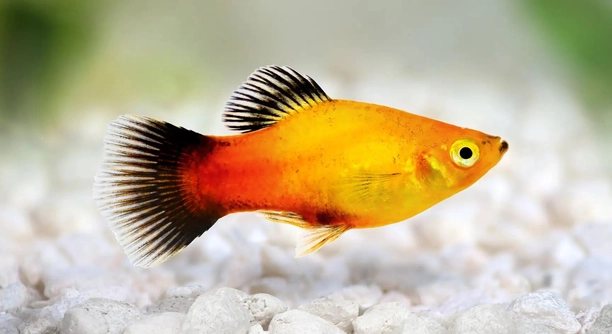
Many aquarium owners enjoy keeping platys because they are colorful and peaceful fish. Sometimes, a platy may breathe but not move much, which can cause worry. Understanding this behavior can help keep your fish healthy and safe.
When a platy breathes but remains still, it often indicates stress, illness, or poor water conditions. Lack of movement may signal low oxygen levels, water quality issues, or disease, all of which require prompt attention to prevent harm to the fish.
Learning what causes this behavior helps you care for your platy better and avoid serious problems in your aquarium.
Common Causes of Breathing Without Movement
A platy breathing but not moving is often linked to problems in its environment or health. Poor water quality is a frequent cause. High levels of ammonia, nitrites, or nitrates can stress fish and make them sluggish. Also, low oxygen in the water makes it hard for the platy to breathe properly. Illnesses like bacterial infections or parasites can weaken the fish and reduce its activity. Sometimes, sudden changes in water temperature can shock the fish, causing it to freeze in place. Stress from overcrowding or aggressive tank mates can also lead to this behavior. Observing other signs such as discoloration, clamped fins, or unusual swimming patterns helps identify the issue. Regular water testing and tank maintenance are key to preventing problems. Keeping the tank clean and stable supports your platy’s health and encourages normal movement.
Water quality problems are often the main reason behind this issue.
Understanding the environment helps prevent stress and illness in your platy. When water conditions are right, your fish will stay active and healthy.
How to Improve Your Platy’s Condition
Improving water quality is the first step to help your platy recover.
Start by testing the water for ammonia, nitrites, and nitrates using a reliable test kit. Perform regular water changes to keep these levels low. Aim for at least 25% water changes weekly. Make sure the tank is well-filtered and that the filter is cleaned regularly to avoid buildup of harmful substances. Oxygen levels can be increased by adding an air stone or increasing surface agitation. Keep the water temperature stable, ideally between 72°F and 78°F, to reduce stress. If illness is suspected, isolate the affected fish and consider treatment options such as medicated food or water additives recommended by a vet or aquarium specialist. Avoid overcrowding the tank and remove aggressive fish that might be bothering your platy. Monitoring your fish closely will help you spot changes early and take action quickly.
Signs Your Platy Is Stressed or Sick
A platy that breathes but doesn’t move may show other signs of stress or illness. Look for faded colors, clamped fins, or unusual spots on its body. These signs often point to health problems that need attention.
Stress weakens a platy’s immune system, making it vulnerable to infections. Illnesses like fin rot, ich, or internal parasites can cause lethargy and breathing issues. Sometimes, stress comes from poor water quality or sudden changes in the tank environment. When a fish is sick, it might hide more often or stay near the surface or bottom without moving much. Checking for these behaviors regularly helps catch problems early. Quick action can improve your fish’s chances of recovery and prevent spreading diseases to other tank mates.
Observing your platy’s behavior closely is key to identifying issues early. Catching stress or sickness in time helps protect its health and improve recovery outcomes.
Steps to Prevent This Behavior in the Future
Maintaining a healthy environment is crucial for preventing breathing without movement. Keep water clean and stable by doing regular water tests and changes. Avoid overcrowding and provide a balanced diet.
Consistent tank maintenance lowers stress for your platy. Keeping water parameters stable ensures proper oxygen levels and reduces toxins. Choose peaceful tank mates to avoid bullying. Feeding quality food in the right amounts supports a strong immune system. Setting up proper filtration and aeration helps maintain oxygen levels and water clarity. Keep an eye on temperature to prevent shocks. When all these factors are controlled, your platy is less likely to become stressed or sick. Prevention saves time, money, and worry over fish health issues later on.
Adjusting Water Temperature
Keeping the water temperature stable is important for your platy’s health. Sudden drops or rises can cause stress and affect breathing. Use a reliable heater and thermometer to maintain consistent temperature between 72°F and 78°F.
Avoid placing the tank near drafts, windows, or heat sources. These can cause quick temperature changes that upset your fish.
Feeding Habits and Their Impact
Overfeeding can cause water pollution, which harms your platy’s health and activity. Feed small amounts once or twice a day, only what your fish can eat in a few minutes. Remove any leftover food to keep the tank clean. Proper feeding helps maintain water quality and prevents lethargy in your platy.
Signs of Oxygen Deficiency
If your platy is breathing fast but not moving, oxygen levels may be low. Adding an air stone or improving water flow can help increase oxygen.
Tank Size and Movement
A cramped tank limits your platy’s space to swim and may cause it to stay still. Ensure your tank is large enough for your fish to move freely.
FAQ
Why is my platy breathing fast but not swimming?
Fast breathing with little movement usually means your platy is stressed or the oxygen in the water is low. Poor water quality, high temperatures, or illness can cause this. Improving aeration and checking water conditions often helps. If the problem continues, it might be a sign of disease.
Can a platy recover if it stops moving?
Yes, many platys recover if the cause is found and fixed early. Proper water quality, a stable temperature, and treatment for illness can help your fish regain normal behavior. Acting quickly is important for recovery.
Is it normal for platys to stay still sometimes?
Yes, platys do rest and may stay still for short periods. However, if a platy breathes heavily and stays motionless for a long time, it usually means something is wrong.
How often should I change the water to keep my platy healthy?
Changing 20-30% of the water once a week is a good rule. This helps remove toxins and keeps the water clean. Test the water regularly to make sure levels of ammonia, nitrites, and nitrates are safe.
What temperature is best for platys?
Platys thrive between 72°F and 78°F (22°C to 26°C). Sudden temperature changes outside this range can stress the fish and cause health issues.
Can poor diet cause a platy to stop moving?
Yes, a poor diet can weaken your platy and cause lethargy. Feed a balanced diet designed for tropical fish. Avoid overfeeding, which can pollute the tank.
How can I increase oxygen in my aquarium?
Use an air stone, a bubbler, or increase surface agitation with a filter to boost oxygen levels. Keeping plants and avoiding overcrowding also helps maintain good oxygen.
Should I isolate a platy that is breathing but not moving?
Isolating the fish can prevent spreading disease and reduce stress from other tank mates. Use a quarantine tank if you suspect illness, and treat the fish as needed.
What are common diseases that cause this behavior?
Fin rot, ich, and bacterial infections are common. These illnesses cause stress, loss of energy, and breathing problems. Signs include clamped fins, white spots, or discoloration.
Can water hardness affect my platy’s movement?
Yes, platys prefer moderate hardness. Very soft or very hard water can stress them. Test your water hardness and adjust it if necessary to keep your fish comfortable.
How do I know if my platy is stressed?
Look for changes in color, hiding more, clamped fins, or slow movement. Stress usually comes from poor water conditions, overcrowding, or aggressive tank mates.
Is overcrowding bad for platys?
Yes, overcrowding causes stress and poor water quality. It limits swimming space and increases waste, which can lead to breathing problems and illness.
What is the best way to treat a sick platy?
Identify the illness first, then use appropriate medication. Keep water clean and stable. Quarantine the sick fish if possible to prevent disease spread.
Can plants help improve my platy’s breathing and activity?
Live plants increase oxygen and provide hiding spots, reducing stress. They improve water quality by absorbing nitrates, which benefits your platy’s health.
How long can a platy survive without moving?
It depends on the cause. If the problem is serious and untreated, survival chances drop quickly. Early care improves survival significantly.
Is it normal for platys to breathe at the surface?
Occasional surface breathing is normal, but frequent gasping may indicate low oxygen or poor water quality. Check and improve tank conditions if this happens.
Can temperature drops cause this behavior overnight?
Yes, sudden temperature drops shock platys, causing them to stay still and breathe fast. Keep the tank away from drafts and maintain stable temperatures.
What tools help monitor my platy’s environment?
Use a thermometer, water test kits, and a reliable filter. These help maintain stable conditions and prevent problems that cause breathing and movement issues.
How does stress affect a platy’s breathing?
Stress raises metabolism and oxygen demand, leading to faster breathing. It can also reduce energy, causing less movement.
When should I consult a vet or aquarium specialist?
If water conditions are good but your platy still breathes fast and won’t move, or if it shows signs of disease, seek expert advice for proper diagnosis and treatment.
Taking care of a platy fish means paying close attention to its behavior. When you notice your platy breathing but not moving, it is often a sign that something is wrong. This can be caused by many different factors such as poor water quality, low oxygen levels, illness, or stress. The most important thing is to act quickly and carefully. Checking the water conditions regularly and keeping the tank clean can help prevent many problems. A stable and healthy environment allows your platy to live happily and actively.
Sometimes, even with good care, your platy might show signs of illness or stress. It is important to observe any changes in its behavior or appearance closely. If the fish stays still for a long time and breathes fast, it may need treatment or a change in its surroundings. Using tools like water test kits and maintaining proper tank temperature can make a big difference. Also, feeding your platy the right amount and type of food supports its health. By staying attentive, you can catch small problems before they become serious.
Remember, prevention is the best approach to keeping your platy healthy. Regular water changes, proper tank size, and avoiding overcrowding reduce stress and illness. Adding plants and ensuring good oxygen levels help create a comfortable space for your fish. If you notice your platy is still struggling despite these efforts, do not hesitate to consult a vet or an aquarium expert. Taking these steps will give your platy the best chance to thrive and enjoy a peaceful, active life in your aquarium.

Hello,
If you enjoy the content that we create, please consider saying a "Thank You!" by leaving a tip.
Every little bit helps us continue crafting quality advice that supports the health, happiness, and well-being of pets around the world, for pets of all shapes, sizes, and species.
We really appreciate the kindness and support that you show us!