
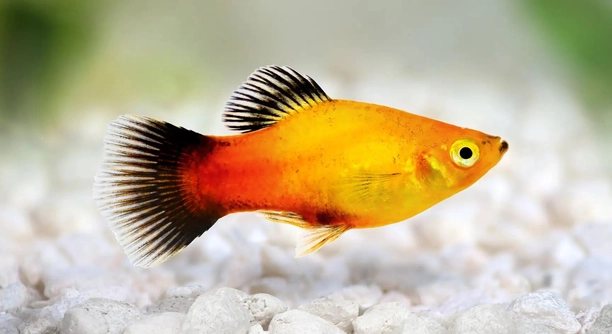
Platies are popular freshwater fish kept by many hobbyists for their vibrant colors and peaceful nature. Knowing when a platy is stressed can help keep them healthy and happy in your aquarium. Recognizing signs of stress early is important for proper care.
Platies show stress through changes in behavior and appearance, such as hiding more often, losing appetite, or showing faded colors. Stress can also cause rapid gill movement, erratic swimming, or clamped fins, indicating discomfort or poor water conditions.
Learning these signs helps you maintain a better environment for your platy. Proper care and attention can reduce stress and promote a longer, healthier life for your fish.
Changes in Swimming Behavior
When platies feel stressed, their swimming patterns often change noticeably. They may swim erratically or dart around the tank suddenly, unlike their usual calm and steady movements. Sometimes, they may stay near the bottom or hide behind decorations more frequently. Stress can cause them to lose balance or float awkwardly. These behaviors suggest discomfort or poor water quality. Watching for these changes helps catch problems early. Adjusting tank conditions or reducing disturbances can help the platy return to normal swimming behavior. Keeping the water clean and stable reduces stress and keeps platies active and healthy.
Stress in platies can make their swimming less smooth and more frantic. This is a clear signal to check their environment carefully.
Noticing changes in swimming is an effective way to gauge stress. By maintaining proper water temperature, pH, and cleanliness, you support their natural behavior. Avoid sudden movements near the tank and loud noises, which can add to their anxiety. Creating a calm environment helps platies swim confidently and stay healthy.
Loss of Appetite
A stressed platy often eats less or stops eating altogether. This lack of appetite can weaken the fish and make it more vulnerable to illness. Reduced feeding is one of the first signs to watch for. If you notice your platy ignoring food or spitting it out, it may be under stress. This could result from poor water conditions, overcrowding, or sudden changes in the tank.
Proper feeding and clean water help maintain a platy’s appetite.
Addressing loss of appetite quickly is important for recovery. Make sure you provide a balanced diet suitable for platies. Avoid overfeeding, as leftover food can spoil water quality and increase stress. Sometimes, feeding smaller amounts more frequently encourages eating. Also, check water parameters regularly. If the issue continues, consider isolating the stressed fish to reduce competition. Keeping the environment stable and peaceful supports their desire to eat and thrive.
Clamped Fins
Clamped fins are a common sign that a platy is stressed. This means the fish holds its fins close to its body instead of spreading them out.
When a platy’s fins remain tight against its body for an extended time, it usually signals discomfort. This behavior can result from poor water quality, sudden changes in temperature, or overcrowding in the tank. Clamped fins reduce the fish’s ability to swim properly and can lead to further health issues if not addressed. Monitoring water parameters like ammonia, nitrite, and nitrate levels can help identify problems causing stress. Maintaining a clean and stable environment helps platies relax and display normal fin posture.
Addressing clamped fins early prevents serious illness. Improving water conditions and reducing tank stressors often allows the fins to return to their normal state. Adding hiding places can also help the fish feel secure and less stressed, promoting overall well-being.
Faded or Dull Colors
Faded or dull colors in platies usually show that the fish is stressed or unhealthy. Healthy platies tend to have bright, vibrant colors.
Stress from poor water quality, improper diet, or illness can cause their colors to fade. When colors lose brightness, it often means the fish is not feeling well. This fading can make the platy look washed out or pale compared to its normal appearance. Ensuring good nutrition and regular tank cleaning helps maintain the fish’s color. Sudden changes in water temperature or lighting may also cause color loss. Regular observation of your platy’s coloration is important for early detection of stress.
Restoring proper tank conditions and feeding a balanced diet helps bring back the platy’s natural colors. Keeping the environment calm and stable supports their overall health, preventing further fading and encouraging bright, lively fish.
Rapid Gill Movement
Rapid gill movement in platies signals stress or difficulty breathing. It often shows when oxygen levels are low or water quality is poor.
This breathing change means the fish is struggling to get enough oxygen. Check tank aeration and water parameters immediately to help your platy feel comfortable again.
Hiding More Than Usual
When platies hide frequently, it often means they feel threatened or stressed. They seek shelter to avoid perceived danger or discomfort.
Providing enough hiding spots in the tank can reduce their stress and help them feel safe. Lack of space or aggression from tank mates may cause this behavior.
Erratic Swimming
Erratic swimming is a clear sign of stress in platies. This includes sudden darting, spinning, or crashing into tank decorations.
This behavior often results from poor water conditions, parasites, or sudden changes in their environment. Monitoring tank conditions closely and acting fast can help restore calm swimming patterns.
Clamped Fins at Night
Platies sometimes clamp their fins during the night, but constant clamping even during the day shows stress. Watch for this behavior to detect issues early.
FAQ
How can I tell if my platy is stressed?
Signs of stress in platies include changes in behavior such as hiding more often, loss of appetite, clamped fins, faded colors, rapid gill movement, and erratic swimming. Watching for these signs helps catch stress early so you can improve tank conditions promptly.
What causes stress in platies?
Common causes include poor water quality, sudden changes in temperature, overcrowding, aggressive tank mates, and lack of hiding places. Stress may also come from inadequate diet or illness. Keeping stable water parameters and a calm environment reduces stress.
Can poor water quality make platies sick?
Yes, poor water quality is one of the main reasons platies become stressed and sick. High ammonia, nitrite, or nitrate levels can damage their gills and immune system, leading to illness. Regular water testing and cleaning are essential to keep platies healthy.
How often should I change the water in my platy tank?
Changing 20-30% of the water weekly is recommended for platy tanks. This helps remove waste and toxins, maintaining good water quality. Avoid changing too much water at once, as it can shock the fish and cause stress.
What temperature is best for platies?
Platies thrive in temperatures between 70°F and 78°F (21°C to 26°C). Sudden temperature changes or water that is too cold or hot can stress them. Using a reliable aquarium heater and thermometer helps maintain a stable temperature.
How much should I feed my platies?
Feed platies small amounts once or twice a day. Only give as much food as they can eat within 2-3 minutes. Overfeeding leads to leftover food that pollutes the water, which causes stress and health problems.
Can tank mates cause stress in platies?
Yes, aggressive or overly active tank mates can stress platies. It’s best to keep them with peaceful fish of similar size. Avoid housing them with fin-nippers or large, aggressive species.
Why do my platies hide all the time?
Hiding often indicates stress or fear. It can result from poor water quality, lack of hiding spots, or bullying by other fish. Adding plants and decorations provides shelter, helping platies feel secure and less stressed.
How can I help my stressed platy recover?
Start by improving water quality through regular changes and testing. Check temperature and adjust if needed. Remove aggressive tank mates if possible. Provide plenty of hiding spots and feed a balanced diet. Minimizing noise and sudden movements around the tank also helps.
When should I see a veterinarian for my platy?
If stress signs persist despite proper care or your platy shows signs of disease like white spots, sores, or lethargy, consult an aquatic vet. Early treatment improves chances of recovery and prevents spread of illness to other fish.
Final Thoughts
Taking care of platies means paying close attention to their behavior and environment. Stress can affect these small fish in many ways, from changes in how they swim to losing their bright colors. Knowing the signs of stress helps you act quickly to keep your fish healthy. It is important to keep the water clean, stable, and at the right temperature. Regular water changes and testing will make a big difference in reducing stress. Also, giving your platies enough space and calm tank mates helps them feel safe.
Stress in platies can sometimes be hard to notice right away, but watching their daily habits closely will give you clues. If you see your fish hiding more than usual or refusing food, these are clear warning signs. Other signs like clamped fins or rapid gill movement should never be ignored. These behaviors tell you that something in the tank may be wrong. By responding quickly, such as fixing water quality or adjusting tank conditions, you can help your platy recover. Providing hiding spots and keeping the tank quiet will make your fish more comfortable.
Every platy is different, and some may be more sensitive to changes than others. Patience is key when helping a stressed fish. Avoid sudden changes to their environment and keep feeding them a balanced diet. Over time, with good care, most platies will return to their normal behavior and regain their bright colors. Stress can be managed well when you understand what causes it and what signs to watch for. Taking these steps ensures your platy lives a longer, healthier life in your aquarium.

Hello,
If you enjoy the content that we create, please consider saying a "Thank You!" by leaving a tip.
Every little bit helps us continue crafting quality advice that supports the health, happiness, and well-being of pets around the world, for pets of all shapes, sizes, and species.
We really appreciate the kindness and support that you show us!