
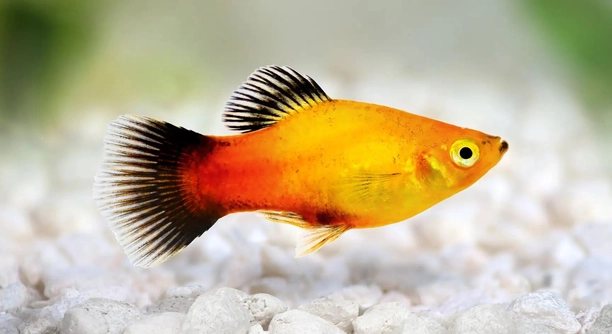
Have you ever noticed your platy behaving differently when it’s the only one in the tank, and wondered what that could mean?
Platies can exhibit noticeably different behaviors when alone compared to when they are in a group. These changes may include reduced activity, altered feeding habits, and signs of stress due to the absence of social interaction.
Learning how social settings affect your platy’s behavior can help you create a healthier, more comfortable environment for your fish.
Why Platies Behave Differently When Alone
When platies are kept alone, they can become less active and more withdrawn. These fish are naturally social and enjoy the presence of their own kind. Without companions, a platy may spend more time hiding or staying near the bottom of the tank. You might also notice a lack of interest in food or slower movements overall. These behaviors are linked to their need for social stimulation, which helps them feel secure. Group interactions support normal habits like schooling, exploring, and feeding. Without those interactions, their behavior changes. Being alone doesn’t just affect their mood—it can also affect their health over time. Stress from isolation may weaken their immune system or lead to long-term issues. While one platy may adapt better than another, most do best when housed with others. Even a small group of platies can make a noticeable difference in their behavior and well-being.
Platies feel more at ease when they are part of a group. Their environment becomes more active, and their behavior tends to improve quickly once they are no longer isolated.
Social behavior is a major part of a platy’s daily life. Keeping them in pairs or small groups allows them to interact in ways that support their overall health. Simple changes like adding one or two more fish can make a clear improvement.
How to Support a Platy Living Alone
A single platy may still live comfortably with a few adjustments. Adding more plants and hiding spots can help reduce stress and provide a sense of safety.
To help a lone platy feel more secure, make sure the tank environment is as comfortable and natural as possible. Live plants, gentle water flow, and good lighting can make a big difference. Platies like to explore and hide, so adding caves or leafy areas can give them something to do and a place to retreat. Even without other fish, they will stay more active if the environment is engaging. Also, maintaining good water quality and consistent feeding routines will help reduce stress. If the platy still shows signs of loneliness or reduced activity, you might consider adding tank mates—not necessarily other platies, but peaceful fish with similar needs. This way, your platy will have company and feel less isolated without any aggression or competition in the tank.
Signs Your Platy May Be Lonely
Lonely platies often become less active and may stop exploring their surroundings. They might stay in one spot for long periods or avoid interacting during feeding time. Some also lose color or show signs of stress.
A lonely platy may not seem sick but can show small changes that hint at deeper issues. Watch for loss of appetite, frequent hiding, or a lack of energy. These behaviors are often missed at first, especially if the fish is eating a little and swimming occasionally. Over time, isolation can cause these symptoms to worsen. Stress in fish doesn’t always show up the same way it does in other animals, so being familiar with your platy’s usual habits will help you notice when something feels off. Even subtle changes, like slower swimming or avoiding certain parts of the tank, can mean your platy isn’t feeling its best.
Color fading is another possible sign of loneliness. Healthy platies tend to have bright colors, but stress can dull their appearance. Their fins may appear clamped, and their movement might become more hesitant. This isn’t always a sign of illness—it can be their way of reacting to a lack of social stimulation. Addressing it early helps prevent long-term effects.
What to Do if You Only Have One Platy
If you can’t get more platies, you can still make your single fish more comfortable. Add more plants, rocks, or ornaments to keep the tank interesting and offer hiding places.
Another helpful step is to make the tank feel secure by keeping it in a quiet area of your home. Platies are sensitive to loud noises and fast movement outside their tank. Adding a background to cover the back of the tank can reduce outside stress and help your fish feel safe. Try offering a varied diet with high-quality flakes, frozen foods, or live options like brine shrimp to keep your platy healthy and engaged. Routine feeding times also give your platy something to look forward to each day. If you do consider tank mates, choose calm species that won’t compete for space or food. Guppies, mollies, or peaceful tetras are often a good fit for shared tanks.
Can Platies Be Happy Without Other Platies
Some platies may adjust to being alone, but most prefer the company of their own kind. Being with other platies helps them feel secure and supports their natural behaviors like schooling and playful swimming.
Even if your platy seems fine, it might still benefit from having a companion. Social behavior helps reduce stress and adds structure to their day.
Best Tank Setup for a Single Platy
A well-planted tank with calm lighting and plenty of space helps reduce stress for a single platy. Use soft, natural decorations like driftwood or live plants to break up the space and create hiding spots. A gentle filter and stable water temperature also support their comfort. Keep the tank clean and avoid overcrowding it with objects. Maintain a steady feeding schedule and check water parameters weekly. A calm tank environment makes a big difference for a platy living alone. You don’t need fancy equipment—just a thoughtful setup that offers security and routine. These small adjustments can help your platy feel more at ease day by day.
When to Consider Getting a Second Platy
If your platy shows signs of stress or boredom even after improving its tank setup, adding another platy might be the best next step.
Can platies live happily alone?
Platies can survive alone, but they usually do better with companions. Being social fish, they naturally seek interaction with others. When alone, a platy may become less active or stressed, which can affect its health. While some individuals adapt to solitude, most show improved behavior and color when kept in small groups.
How many platies should be kept together?
It’s best to keep platies in groups of at least three or more. A small group encourages natural schooling and social behavior. Keeping just two can sometimes lead to one fish becoming dominant or stressed. Groups of three or more help balance social dynamics and keep your fish active and happy.
What signs show a platy is lonely?
Signs include reduced activity, hiding for long periods, lack of appetite, and dull coloration. Lonely platies might avoid interaction during feeding or swim slowly. They may also stay near the bottom or in one spot for extended times. These subtle signs indicate stress from isolation, even if the fish appears physically healthy.
Can tank decorations replace other platies?
Decorations help provide hiding places and reduce stress but can’t replace social interaction. Plants, caves, and ornaments keep a platy entertained and safe but don’t fulfill their need for company. A well-decorated tank supports comfort, but adding tank mates is the best way to meet social needs.
Are platies aggressive if kept in groups?
Platies are generally peaceful fish and rarely show aggression if the tank is large enough and conditions are right. Overcrowding or small tanks can cause stress and territorial behavior. Keeping enough space and proper hiding spots reduces conflict and supports a peaceful community.
Can platies live with other fish species?
Yes, platies are compatible with many peaceful fish like guppies, mollies, and tetras. Choose tank mates with similar water requirements and temperaments. Avoid aggressive or very large species. Mixing compatible fish can provide social interaction and enrich your tank environment.
What is the ideal tank size for platies?
A 20-gallon tank or larger is ideal for a small group of platies. This gives enough space for swimming and hiding. Larger tanks reduce stress and improve water quality stability. For a single platy, a smaller tank might work, but a bigger tank is better for groups.
How often should I feed my platy?
Feed your platy small amounts twice a day. Overfeeding can harm water quality and fish health. Use high-quality flake or pellet food, supplemented with occasional live or frozen foods like brine shrimp or bloodworms. Regular feeding supports their energy and vibrant colors.
What water conditions do platies prefer?
Platies thrive in water temperatures between 70°F and 78°F (21°C–26°C). They prefer a pH between 7.0 and 8.2 and moderate hardness. Stable water conditions are important; sudden changes can stress the fish. Regular water tests and partial water changes help maintain a healthy environment.
How can I tell if my platy is stressed?
Stress signs include clamped fins, rapid breathing, loss of appetite, and hiding. Color fading and erratic swimming may also occur. Stress can result from poor water quality, isolation, or aggression. Addressing tank conditions and social needs quickly helps prevent long-term health problems.
Can a lonely platy become sick more easily?
Yes, stress from loneliness weakens the immune system, making platies more prone to diseases. Common issues include fin rot and ich. Keeping your fish in social groups and maintaining good water quality lowers the risk of illness. Early detection of behavior changes is key to prevention.
What if I can’t add more platies to my tank?
If adding more platies isn’t possible, focus on improving the tank environment. Add live plants, hiding spots, and maintain excellent water quality. Provide a varied diet and consistent care. You can also consider peaceful tank mates to offer some social interaction without overcrowding.
How long do platies live?
Platies usually live 2 to 3 years with proper care. Good water quality, a healthy diet, and a stress-free environment help maximize their lifespan. Social interaction is part of their well-being, so keeping them in groups can contribute to a longer, happier life.
Is it okay to keep only male or female platies?
Yes, you can keep platies of only one gender to avoid breeding. Male platies tend to be more colorful and active, while females are larger and less flashy. Both genders need social interaction, so keeping multiple males or females together is recommended to support their natural behavior.
How do platies communicate with each other?
Platies use body language and swimming patterns to communicate. They may chase each other lightly during play or courtship. These interactions help establish social order and reduce stress. Watching these behaviors shows how important company is for their well-being.
Platies are naturally social fish that usually feel more comfortable and show healthier behaviors when kept with others of their kind. While a single platy can survive alone, it may act differently, often becoming less active or stressed without companions. This change in behavior happens because platies rely on social interaction to feel safe and secure. Being alone can cause them to hide more, lose interest in food, or show signs of stress that might affect their overall health. Understanding this helps in providing the best care for your platy and ensuring it lives a happier life.
Creating a good environment for a lone platy is important if keeping more fish isn’t an option. Adding plenty of plants, decorations, and hiding spots can make the tank feel more natural and less stressful. A calm and stable environment with proper water quality and regular feeding routines also supports the well-being of a single platy. Even with these efforts, social interaction is still very important for platies. Whenever possible, introducing one or two more platies can greatly improve their mood and activity level. Watching them swim and interact is a sign they are comfortable and healthy.
When caring for platies, keeping their social needs in mind is key. Small changes like adding companions or improving the tank setup can make a big difference in how your platy behaves and feels. Stress from loneliness or poor conditions can lead to health problems, so paying attention to your fish’s behavior and environment will help prevent issues before they start. Whether you have one platy or a group, the goal is to create a safe, comfortable space where they can thrive. Good care and understanding their needs will help your platy live a longer and happier life.

Hello,
If you enjoy the content that we create, please consider saying a "Thank You!" by leaving a tip.
Every little bit helps us continue crafting quality advice that supports the health, happiness, and well-being of pets around the world, for pets of all shapes, sizes, and species.
We really appreciate the kindness and support that you show us!