
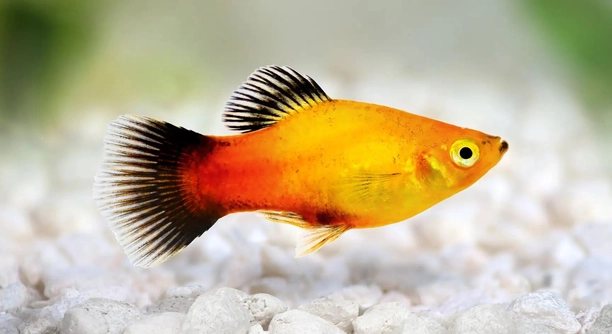
Breeding platies can be a rewarding experience for many aquarium enthusiasts. Knowing what mistakes to avoid helps ensure healthy fish and a thriving tank environment. This article highlights common pitfalls to keep in mind when breeding platies.
Avoiding overbreeding, poor water quality, inadequate diet, lack of proper hiding places, incorrect tank conditions, ignoring genetics, and neglecting regular tank maintenance are key to successful platy breeding. Each factor directly impacts fish health and reproductive outcomes.
Understanding these important points will improve your platy breeding results and keep your aquarium balanced and healthy. The following guide will provide clear steps to avoid common problems.
Overbreeding Your Platies
Breeding platies too frequently can stress the fish and weaken their health. Platies are livebearers, meaning females give birth to fully formed fry regularly. If you don’t give females enough recovery time between births, they may become exhausted. This can result in weaker fry and higher mortality rates. Overcrowding also becomes a problem as many fry compete for food and space, which increases stress and illness risks. It’s important to control breeding by separating males and females or limiting the number of males in a tank. Maintaining a healthy balance helps both adults and fry thrive. Regularly monitoring your fish and managing breeding frequency will keep your tank stable and the fish healthier.
Overbreeding causes physical strain on female platies and lowers overall fry survival rates, affecting your tank’s balance.
Carefully plan breeding schedules and tank population to avoid overworking your fish. Separating males and females after mating helps prevent constant breeding. Providing enough space and hiding spots allows fry to grow safely. Keeping track of births and health gives you control over the breeding process. Taking these simple steps creates a healthier environment for platies to reproduce successfully without unnecessary stress.
Maintaining Proper Water Quality
Poor water quality quickly harms platies and their offspring. Platies need clean, stable water conditions to breed successfully. High levels of ammonia, nitrites, or nitrates can cause stress, illness, and death. It’s essential to perform regular water changes and test water parameters frequently. Keep the temperature between 72°F and 78°F and maintain a pH around 7.0. Using a good filtration system helps keep the tank environment healthy. Avoid overcrowding, as too many fish produce excess waste that can deteriorate water quality. A well-maintained tank reduces disease risk and supports strong, healthy fry.
Consistent water quality is crucial for the survival and well-being of platies and their young.
To maintain ideal conditions, test water weekly for ammonia, nitrite, nitrate, and pH levels. Change 25% of the water at least once a week, and more often if needed. Use a reliable aquarium filter suited for your tank size and clean it regularly without disturbing beneficial bacteria. Temperature control is important; sudden changes can stress fish. Avoid adding too many fish or plants at once to keep the ecosystem balanced. Regular attention to water quality ensures platies remain healthy and able to reproduce successfully, giving their fry the best chance at survival.
Inadequate Diet for Platies
A poor diet can affect the health and breeding success of platies. Feeding low-quality or unvaried food weakens their immune system and reduces fertility.
Platies need a balanced diet with protein, vegetables, and vitamins. High-quality flakes or pellets designed for livebearers work well. Supplementing with frozen or live foods like brine shrimp or daphnia boosts nutrition. Including some plant matter, such as blanched spinach or algae wafers, supports digestion and overall health. Avoid overfeeding, which can pollute the tank and cause obesity. Feeding small amounts two to three times daily keeps platies in good condition.
Healthy, well-fed platies produce stronger fry with better survival chances. Consistency in feeding and offering varied food ensures both adults and babies receive proper nutrition to grow and thrive.
Lack of Proper Hiding Places
Platy fry need hiding spots to avoid being eaten by adults or stressed by tank mates. Without safe areas, many fry may not survive their early days.
Adding plants, caves, or decorations provides shelter and reduces aggression. Dense live plants like Java moss or floating plants create natural cover. Artificial decorations can also offer refuge but ensure they have no sharp edges. These hiding places encourage fry to explore and feed safely. Proper shelter lowers stress for all fish, leading to healthier growth and better breeding outcomes.
Creating a tank environment with enough hiding spaces supports fry survival and promotes a peaceful community. This simple step improves overall tank harmony and increases your success in raising platy fry.
Ignoring Genetics
Ignoring genetics when breeding platies can lead to weak or unhealthy offspring. Selecting healthy, strong fish is essential for good results.
Inbreeding may cause deformities or reduce fertility. Mixing unrelated platies improves genetic diversity and strengthens the line.
Incorrect Tank Conditions
Tank conditions like temperature, pH, and hardness must match platy needs. Fluctuations or extremes cause stress and lower breeding success.
Maintain stable temperature between 72°F and 78°F. Keep pH near neutral, around 7.0, and moderate hardness. Avoid sudden changes by regularly monitoring water parameters and adjusting gradually when needed. Stable conditions encourage healthy breeding and fry development.
Neglecting Tank Maintenance
Skipping regular tank cleaning increases waste buildup and harmful bacteria, which can harm fish health and fry survival.
How often should I separate male and female platies to prevent overbreeding?
Separating males and females after females give birth is a good way to control breeding. Females can become stressed if bred continuously without rest. Allow females at least a few weeks to recover before reintroducing males. This helps maintain healthier fish and stronger fry.
What is the best diet to feed breeding platies?
A balanced diet is key. Use high-quality flakes or pellets made for livebearers, and supplement with live or frozen foods like brine shrimp and daphnia. Including plant-based foods like blanched spinach or algae wafers helps digestion. Feed small portions two to three times daily to avoid overfeeding and water pollution.
How can I improve water quality for breeding platies?
Regular water changes are essential—about 25% weekly is recommended. Test water parameters frequently for ammonia, nitrite, nitrate, and pH. Keep temperature steady between 72°F and 78°F, and pH close to 7. Use a good filtration system and avoid overcrowding to maintain clean water.
Why do platy fry need hiding places?
Platy fry are vulnerable to being eaten by adult fish or stressed by tank mates. Providing dense plants like Java moss, floating plants, or small caves gives fry shelter. These hiding spots reduce stress and increase fry survival rates by allowing them to grow safely.
What problems arise from ignoring genetics in platy breeding?
Breeding closely related fish can cause inbreeding issues such as deformities, weak immune systems, and lower fertility. Introducing unrelated platies helps maintain genetic diversity, resulting in healthier offspring and stronger populations.
What tank conditions are ideal for breeding platies?
Stable water temperature between 72°F and 78°F is best. Maintain neutral pH around 7.0 and moderate hardness. Sudden changes in these conditions cause stress and reduce breeding success. Regularly monitor water parameters and adjust gradually when needed.
How important is tank maintenance during breeding?
Tank maintenance is crucial. Waste buildup increases harmful bacteria and ammonia levels that can harm both adults and fry. Regular cleaning and filter maintenance keep the tank environment safe and support successful breeding.
Can overfeeding affect platy breeding?
Yes. Overfeeding pollutes the water, leading to poor water quality and health problems. Feed small, controlled amounts to prevent leftover food from decaying. Clean up uneaten food promptly to maintain a healthy tank.
How can I tell if my female platy is stressed from breeding?
Signs of stress include reduced appetite, lethargy, faded colors, and hiding more than usual. These can indicate overbreeding or poor tank conditions. Giving females rest by separating them from males and improving water quality often helps recovery.
When do platy fry become independent?
Platy fry start swimming freely and eating on their own within a few days after birth. Providing plenty of hiding spaces and fine food like baby brine shrimp or crushed flakes helps them grow. Avoid mixing fry with adult fish to reduce the risk of predation.
Breeding platies can be a fulfilling experience when done with care and attention to detail. Avoiding common mistakes such as overbreeding, poor water quality, and neglecting genetics plays a big role in the success of your efforts. Each of these factors affects the health of the adult fish and the survival of the fry. Understanding what platies need in terms of diet, tank conditions, and shelter helps create an environment where they can thrive. Careful planning and regular maintenance keep the tank balanced and reduce stress on the fish. This leads to stronger offspring and a more enjoyable breeding experience overall.
It is important to remember that breeding platies is not just about producing many fry but ensuring they grow healthy and strong. Providing a balanced diet with a mix of proteins and plants supports the fish’s wellbeing. Keeping water conditions stable and clean reduces the risk of disease and improves reproductive outcomes. Offering hiding spots for fry helps protect them from being eaten and gives them space to develop safely. Paying attention to genetics prevents issues that can arise from inbreeding, helping maintain healthy fish lines over time. Taking these steps makes breeding more predictable and rewarding.
Lastly, patience and consistency are key when breeding platies. Fish can react to small changes in their environment, so monitoring tank conditions regularly is essential. Avoid rushing the breeding process by allowing females to rest between births and maintaining a good population balance in the tank. Routine cleaning and water testing support a healthy habitat for both adults and fry. With these practices, breeding platies becomes a manageable task that results in strong, vibrant fish. Careful care and attention improve the success of your breeding efforts and contribute to a thriving aquarium community.

Hello,
If you enjoy the content that we create, please consider saying a "Thank You!" by leaving a tip.
Every little bit helps us continue crafting quality advice that supports the health, happiness, and well-being of pets around the world, for pets of all shapes, sizes, and species.
We really appreciate the kindness and support that you show us!