
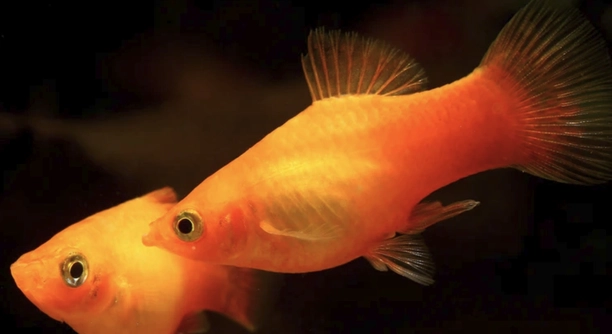
Platies are small, colorful fish often kept in home aquariums. They show various behaviors that can indicate their mood and well-being. Recognizing when a platy is nervous helps owners provide better care and a comfortable environment.
Nervous behavior in platies is typically characterized by rapid swimming, hiding frequently, darting movements, and a lack of interaction with their surroundings. These signs reflect stress responses that can be triggered by environmental changes, tank mates, or water quality issues.
Understanding these nervous behaviors can improve how you care for your platy and ensure its health and happiness in your aquarium.
Rapid Swimming and Erratic Movements
When a platy feels nervous, one of the most noticeable signs is rapid swimming. Instead of moving smoothly, it darts around the tank with sudden bursts of speed. This behavior often occurs when something in its environment feels threatening or unfamiliar. It might swim near the surface or hide behind plants and decorations more than usual. These quick, erratic movements require more energy and can tire the fish if they last too long. It’s important to observe these behaviors closely, as prolonged stress can affect the platy’s health. Changes in water temperature, poor water quality, or aggressive tank mates can all trigger this nervous response.
Rapid swimming signals that a platy is uncomfortable and stressed. Monitoring the tank environment can help reduce this behavior.
Keeping the water clean and maintaining a stable temperature are essential. Providing plenty of hiding spots helps platies feel safer. Avoid overcrowding the tank to minimize stress from other fish. These steps make the aquarium a calm place for your platy to relax and thrive.
Frequent Hiding and Avoidance
Platies tend to hide more when they feel nervous. They seek shelter behind plants, rocks, or decorations to feel protected. This behavior helps them avoid perceived threats but also limits their activity and feeding. If your platy is spending most of its time hidden, it’s a clear sign of stress.
Frequent hiding reduces a platy’s interaction with its environment, which can affect its overall health.
This avoidance is often caused by sudden changes, like new fish introductions or noisy surroundings. Ensuring the tank has plenty of hiding places is important, but also watch for any aggressive fish that may be causing discomfort. Giving your platy a stable environment with minimal disturbances encourages it to come out and swim calmly, improving its well-being. Regular observation helps catch nervous behavior early and allows for timely adjustments.
Loss of Appetite
A nervous platy often loses interest in food. It may ignore feeding times or eat less than usual. This behavior can quickly affect its health if it continues.
Stress affects a platy’s digestive system, making it reluctant to eat. When a fish is nervous, it prioritizes survival over feeding, which leads to reduced food intake. This loss of appetite can weaken the immune system, making the fish more vulnerable to diseases. Sudden changes in the tank, such as new fish or water quality issues, can trigger this stress response. Ensuring a calm environment and stable conditions helps encourage normal feeding behavior. Monitoring feeding habits is important to spot signs of nervousness early.
If the loss of appetite continues, it’s essential to check water parameters and tank conditions. Sometimes, improving water quality or adjusting tank mates can restore the platy’s appetite. Offering varied, high-quality food can also help stimulate feeding. Keeping a close eye on feeding patterns will help you detect problems before they worsen.
Gasping at the Surface
Gasping at the water surface is a common nervous behavior. It shows the platy may be struggling with oxygen levels or stress.
This behavior often means the fish is trying to get more oxygen due to poor water quality or insufficient aeration. Nervous platies may gulp air at the surface because their gills aren’t getting enough oxygen from the water. It is a clear sign that the tank’s environment needs attention. Low oxygen can result from overstocking, inadequate filtration, or high temperatures. Addressing these issues by improving aeration, reducing the number of fish, or stabilizing the temperature can reduce stress. Watching for gasping behavior helps catch problems early, protecting your platy’s health and comfort.
Clamped Fins
Clamped fins are a clear sign that a platy is feeling nervous. The fins stay close to the body instead of spreading out naturally. This makes the fish look smaller and less active.
This behavior often appears when the platy is stressed due to poor water conditions or bullying from other fish. Clamped fins reduce movement and protect the fish from injury, but they also indicate discomfort. Checking water quality and tank dynamics can help resolve this issue quickly.
Sudden Freezing Behavior
Platies sometimes freeze suddenly in one spot when nervous. This can last for several seconds or longer. Freezing is a defense mechanism to avoid attracting attention from predators or threats.
Erratic Fin Flicking
Erratic fin flicking is another sign of stress. It often occurs when the fish is nervous or irritated by its environment. This quick, repetitive motion can show discomfort or reaction to water quality or tank mates.
FAQ
Why does my platy act nervous even though the tank looks fine?
Sometimes, nervous behavior isn’t obvious from just looking at the tank. Small changes like slight temperature shifts, unnoticed water quality issues, or new tank mates can stress a platy. Even noises or vibrations outside the tank can make them uneasy. Regular testing and observation help identify hidden stressors.
How can I reduce stress for a nervous platy?
Creating a calm environment is key. Keep water parameters stable and clean, avoid sudden changes, and provide plenty of hiding spots. Make sure the tank is not overcrowded and that tank mates are peaceful. Gentle lighting and avoiding loud noises around the tank also help.
Is it normal for platies to hide a lot sometimes?
Yes, platies naturally like to hide occasionally. However, if hiding becomes constant, it may signal nervousness or stress. Look for changes in behavior or tank conditions that might be causing discomfort.
Can poor water quality cause nervous behavior in platies?
Absolutely. Poor water quality, including high ammonia, nitrite, or nitrate levels, can cause stress and nervous behaviors. Regular water testing and partial water changes are necessary to maintain a healthy environment.
How often should I check my platy’s behavior?
Daily observation is best. Watching your platy closely during feeding and swimming helps detect early signs of stress or illness. Noticing changes quickly allows you to act before problems worsen.
What are common tank mates that might stress out platies?
Aggressive or very active fish can intimidate platies. Fish that nip fins or chase others often cause nervous behavior. Choosing peaceful, compatible species reduces stress.
Does lighting affect platy behavior?
Yes, too much bright or sudden lighting can make platies nervous. Using a consistent light schedule with moderate brightness helps keep them calm. Adding plants or decorations can create shaded areas for comfort.
What should I do if my platy shows signs of illness along with nervousness?
If nervousness is paired with symptoms like spots, discoloration, or difficulty swimming, it may indicate illness. Quarantine the fish if possible and consult a vet or aquarium specialist for treatment advice.
Can diet impact a platy’s stress levels?
A balanced, nutritious diet supports overall health and resilience to stress. Offering a variety of foods, including flakes, pellets, and occasional live or frozen options, helps keep platies strong and less prone to nervous behaviors.
Is it normal for platies to dart quickly sometimes?
Occasional quick swimming is normal, but frequent, erratic darting suggests stress or fear. Monitoring environmental factors and tank mates can help reduce this behavior.
How do I create hiding spots that feel safe for my platy?
Use live or artificial plants, rocks, and decorations to create cozy spaces. Avoid sharp or rough objects. Ensure hiding spots are well distributed and accessible so your platy can retreat when needed.
Can water temperature fluctuations cause nervousness?
Yes, platies prefer stable temperatures around 72-78°F (22-26°C). Sudden drops or spikes in temperature can stress them, causing nervous behavior. Using a reliable heater and thermometer keeps conditions steady.
How long does it take for a nervous platy to calm down?
It varies. Some platies adjust within days if conditions improve, while others take longer. Consistency in care and environment is essential for recovery.
Are there specific signs that mean nervousness is turning into illness?
Watch for lethargy, loss of appetite, unusual spots, frayed fins, or difficulty swimming. These signs, combined with nervous behaviors, suggest illness needing prompt attention.
Can stress cause platies to breed less?
Yes, nervousness and stress can reduce breeding activity. A calm, stable environment encourages natural behaviors, including reproduction.
How important is tank size for reducing nervousness?
A spacious tank allows platies to swim freely and avoid aggressive fish, reducing stress. Small tanks increase competition and limit hiding places, often causing nervous behaviors.
Should I isolate a nervous platy?
Isolation is sometimes necessary if aggression is severe or illness is present. However, platies are social fish and isolation can cause loneliness. Use a quarantine tank only as a temporary solution.
Can water changes help calm a nervous platy?
Regular partial water changes improve water quality and reduce stress. Avoid changing too much water at once, as sudden shifts can worsen nervousness.
What role does filtration play in platy stress?
Proper filtration keeps water clean and oxygenated, which is vital for calm behavior. Filters that are too strong or noisy may stress platies, so choosing the right filter and flow rate is important.
Are there signs that mean a platy is no longer nervous?
Signs of calm include normal swimming patterns, regular feeding, relaxed fins, and more interaction with tank mates. These behaviors show improved comfort and well-being.
Understanding the nervous behaviors of your platy is important for keeping it healthy and comfortable in its environment. These small fish can show signs of stress through actions like rapid swimming, hiding, or clamped fins. Paying attention to these behaviors helps you notice when something may be wrong in the tank. Stress can affect a platy’s health and reduce its lifespan, so catching nervousness early is key. Small changes to the tank setup or water conditions often make a big difference. It is important to provide a calm and stable environment for your fish.
Keeping water clean and stable is one of the most effective ways to reduce nervous behavior. Regular water testing and partial water changes help maintain good water quality. Temperature should be steady, as platies do not handle sudden changes well. Providing plenty of hiding places with plants or decorations allows your platy to feel safe and reduce stress. Avoid overcrowding the tank or mixing aggressive fish with platies. A peaceful tank community encourages calm behavior and supports the well-being of all fish.
Observing your platy regularly will help you recognize changes in its behavior. Noticing when your fish loses appetite, freezes suddenly, or gasps at the surface can signal nervousness or other health concerns. Early action can prevent stress from becoming a serious problem. Offering a balanced diet and avoiding sudden disturbances in the tank will support your platy’s overall health. By creating a stable environment and responding to your platy’s needs, you can enjoy a happy and thriving fish that shows less nervousness and more natural behavior.

Hello,
If you enjoy the content that we create, please consider saying a "Thank You!" by leaving a tip.
Every little bit helps us continue crafting quality advice that supports the health, happiness, and well-being of pets around the world, for pets of all shapes, sizes, and species.
We really appreciate the kindness and support that you show us!