
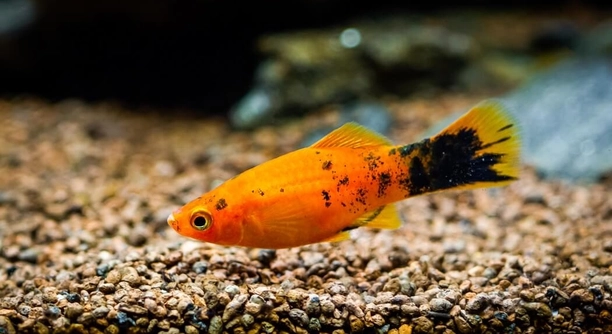
Have you ever noticed your platies acting strangely around snails and wondered if there’s more going on in the tank?
Platies are unlikely to be bullied by snails, as snails are generally passive and slow-moving creatures. However, platies may become stressed if their space is overcrowded or if snails disrupt their feeding or resting areas.
Understanding their behavior helps you create a peaceful tank where both species can thrive without stress or conflict.
How Snails and Platies Interact in a Shared Tank
Snails and platies generally coexist peacefully in community aquariums. Snails move slowly and are mostly focused on cleaning algae or scavenging leftover food. Platies are more active swimmers, curious but usually uninterested in snails. However, issues can arise if there’s limited space or too many tank mates. Overcrowding may lead to stress, which can affect your platies’ behavior. They might seem nervous or territorial, especially if snails are constantly in their way. While snails don’t attack, their presence can still bother fish if there’s competition for food or hiding spots. It’s important to watch for signs like skittish swimming, loss of appetite, or excessive hiding, which may signal that your platies are uncomfortable.
Snails won’t chase or bite your platies, but their constant crawling can sometimes be irritating in close quarters.
If you notice tension, try adjusting decorations, adding plants, or reducing snail numbers. A calm tank setup helps avoid stress.
Signs of Stress in Platies Caused by Snail Activity
Platies may show signs of stress if their tank environment becomes too crowded or disrupted by snails. You might see them darting around, hiding often, or refusing to eat. These changes suggest they’re uncomfortable.
Stress in platies can come from multiple sources, but when snails multiply quickly or occupy feeding areas, it can overwhelm the fish. Snails may also crawl across sleeping platies or block access to food, especially during busy feeding times. While not aggressive, their constant movement and increasing numbers may create unease. To reduce this, monitor the snail population and remove excess if needed. Adding more hiding spots, spreading out food, and maintaining consistent water quality can also help. If your platies continue to show stress-related behaviors, it may be time to reassess how much space each species has. A peaceful, balanced tank gives both snails and fish room to thrive without bothering each other.
Preventing Stress Between Snails and Platies
Keep the tank clean and spacious to avoid crowding. Limit the snail population, provide plenty of plants, and make sure food is spread evenly. A balanced environment reduces stress and keeps both species comfortable. Watch how your platies behave after any changes.
Use a substrate that allows snails to stay closer to the bottom while giving platies room to swim freely above. Place broad-leafed plants and hiding decorations around the tank to offer separation. Feed at multiple spots to prevent competition. If snails are multiplying too fast, reduce feeding slightly or remove eggs when you spot them. Keeping the tank between 72–78°F with steady pH levels also helps maintain a low-stress environment. Observe your fish daily for any signs of stress like flashing, hiding, or rapid swimming. Even small adjustments can make a difference in how peaceful your tank feels.
Test water parameters regularly and clean filters every two weeks. Uneaten food should be removed quickly to keep ammonia levels in check. Platies are sensitive to poor water conditions, and a dirty tank only increases stress levels. Adding a gentle filter that doesn’t stir up the water too much also helps them stay relaxed. Keep lighting moderate and consistent.
When to Intervene and What to Change
If your platies continue acting stressed, even after making changes, it may be time to remove some snails. Too many snails can make the tank feel crowded, especially at feeding times. Rehoming a few can help balance things out.
Platies prefer space to swim without interruption, and snails crawling everywhere might interfere with their routines. Consider separating species temporarily to observe if your platies return to normal behavior. If they calm down, you’ll know the snails were causing discomfort. Look at your tank setup—are there too few hiding spots or too much light? Make changes based on what the fish seem to need. If necessary, use a snail trap to reduce the population gradually. Always keep track of water quality when making adjustments. Avoid sudden changes, as they can add to stress. Slow, thoughtful adjustments help create a calm space where your platies feel safe and active again.
Understanding Tank Territory and Behavior
Platies are active and like open swimming areas. Snails, while slow, can wander into those zones, causing slight disruptions. If space is tight, platies may act skittish or try to avoid the areas snails frequent most often.
Territorial issues are rare but possible in small tanks. Platies might chase snails if they feel bothered or blocked. This behavior isn’t aggressive but can be a sign your fish need more space or better separation within the tank.
Choosing the Right Tank Mates
Not all snails are equal when it comes to tank compatibility. Nerite snails tend to be the best match for platies. They’re small, less intrusive, and don’t reproduce rapidly. Avoid snails like Malaysian trumpet snails or ramshorn snails if your tank is already crowded, as they multiply quickly and can overwhelm the environment. When choosing new tank mates, always consider the size of your tank and the number of fish and snails already living in it. Peaceful species that don’t compete for the same space or food help keep stress low and interactions smooth. Regular observation is the best way to catch early signs of tension.
Monitoring for Ongoing Issues
Watch your platies daily for hiding, erratic swimming, or appetite changes. These can be signs the setup needs adjusting.
FAQ
Can snails actually harm platies?
Snails are generally harmless to platies. They do not have teeth or the ability to bite fish. Most snails focus on eating algae or leftover food, so they aren’t interested in bothering your fish physically. Any stress your platies feel from snails is usually due to crowding or competition for space, not aggression.
Why do my platies seem scared of snails?
Platies may act nervous if snails are constantly crawling over them or blocking their favorite resting spots. This behavior is more about discomfort than fear. Fish prefer clear swimming paths and places to hide, so when snails invade these spaces, it can make platies uneasy. Providing more plants and decorations helps reduce this tension.
Can snails stress platies by eating their food?
Yes, snails can compete with platies at feeding times by consuming flakes or pellets meant for the fish. If snails eat most of the food, platies may become hungry and stressed. Feeding smaller amounts more frequently and spreading food in different spots helps ensure platies get enough to eat without competition.
Do snails carry diseases that affect platies?
Snails can sometimes carry parasites or bacteria that may affect fish, especially if introduced without proper quarantine. However, healthy snails kept in clean tanks rarely cause illness. It’s important to check any new snails carefully and maintain good tank hygiene to prevent disease risks.
Is it okay to have many snails with platies?
Having too many snails can overcrowd the tank and increase stress for platies. Snails reproduce quickly, so populations can explode if not controlled. A few snails help keep algae under control, but too many will compete for space and food. Regularly removing excess snails or their eggs keeps numbers manageable.
How can I reduce the snail population without harming platies?
Manual removal of snails and eggs is the safest way to control their numbers. You can use a net or siphon to scoop them out during water changes. Avoid chemical treatments, as many can harm fish. Introducing snail-eating fish or invertebrates may help but consider compatibility with your platies first.
What tank setup helps prevent platies from feeling stressed around snails?
A well-planted tank with plenty of hiding spots creates separate zones for snails and platies. Open swimming areas for platies combined with dense plant clusters for snails reduce overlap. Keeping the tank clean and food evenly spread also limits competition, helping fish and snails live peacefully together.
Are there specific snail species better suited for tanks with platies?
Nerite snails are a great choice because they don’t reproduce quickly and stay small. They focus on algae without bothering fish. Mystery snails can also work but may grow larger and require more food. Avoid species known for rapid reproduction, like ramshorn or Malaysian trumpet snails, unless you’re prepared to manage their population.
Can platies bully snails?
Platies are not aggressive toward snails in a harmful way but might chase or nip at them occasionally if the snails invade their space. This behavior is more about establishing territory than actual bullying. Usually, it doesn’t harm snails and helps maintain boundaries within the tank.
What signs show platies are stressed by tankmates, including snails?
Signs include hiding frequently, rapid or erratic swimming, loss of appetite, and faded colors. These behaviors indicate your platies are uncomfortable. If stress continues, reassess tank size, population, and environment to ensure all species have enough space and resources.
Can rearranging the tank help reduce platy stress caused by snails?
Yes, changing decorations or plants can create better separation and new hiding spots. This encourages peaceful coexistence by giving platies areas to avoid snails. Rearranging also refreshes the environment, which can reduce boredom and stress for your fish.
How often should I clean the tank to prevent stress in platies caused by snails?
Regular cleaning every one to two weeks helps maintain water quality and controls snail populations. Removing uneaten food and waste limits algae growth, which snails feed on, helping keep their numbers balanced. Consistent maintenance is key to a healthy, low-stress tank environment.
Can feeding my platies special diets reduce stress from snails?
Feeding high-quality food and ensuring enough portions reduce competition with snails. Sometimes supplementing with frozen or live foods encourages natural foraging behavior and keeps platies healthy. This approach helps fish stay strong and less stressed in mixed-species tanks.
Is it better to separate platies and snails if stress continues?
If platies show ongoing signs of stress despite adjustments, separating them temporarily may be necessary. Observe if fish calm down in a snail-free environment. If they do, consider keeping snail numbers very low or redesigning the tank for better harmony before reintroducing snails.
Platies and snails can usually live together peacefully in the same tank when the environment is right. Snails are slow-moving creatures that mostly focus on cleaning algae and eating leftover food, so they do not pose a direct threat to platies. However, stress can happen if the tank becomes overcrowded or if the snails interfere with the platies’ space and food. It is important to watch how both species behave and make adjustments to keep the tank balanced. Providing enough space, hiding spots, and spreading food out can reduce tension between snails and platies. Careful tank management helps ensure that both animals can live comfortably without causing stress to each other.
A well-maintained tank is key to preventing problems. Keeping water clean and testing its quality regularly supports the health of platies and snails alike. Overfeeding can cause excess waste and encourage too many snails to grow in number, which may stress the fish. It is helpful to control snail populations by removing eggs or extra snails if they start to multiply quickly. Tank decorations and plants play an important role too, as they give platies places to hide and swim freely while giving snails their own areas to explore. The right balance of plants, open space, and water conditions creates a calm environment for both species.
If platies show signs of stress like hiding often, rapid swimming, or loss of appetite, it’s a sign to reassess the tank setup. Sometimes reducing the number of snails or rearranging decorations helps. If problems persist, separating snails temporarily can help determine if they are causing discomfort. In most cases, simple changes can improve harmony and make sure platies stay healthy and happy. Taking the time to observe and adjust your tank environment will give both platies and snails the best chance to thrive together.

Hello,
If you enjoy the content that we create, please consider saying a "Thank You!" by leaving a tip.
Every little bit helps us continue crafting quality advice that supports the health, happiness, and well-being of pets around the world, for pets of all shapes, sizes, and species.
We really appreciate the kindness and support that you show us!