
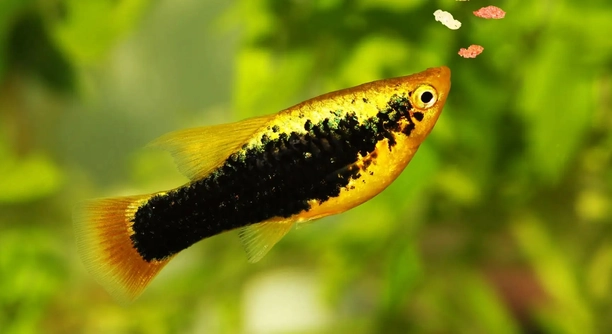
Is your platy spending more time near the surface, breathing heavily and acting out of the ordinary compared to its usual behavior?
The most common reason a platy breathes hard near the top is poor water quality, often caused by low oxygen levels, high ammonia, or elevated nitrites. Inadequate filtration, overcrowding, or high temperatures can also contribute to the issue.
Understanding the main causes behind this behavior can help you take quick action and create a healthier environment for your platy.
Common Causes of Heavy Breathing in Platys
Heavy breathing near the surface is often linked to oxygen shortage. This can happen if your tank isn’t properly aerated or if there’s a build-up of waste. Poor filtration, excess food, and lack of water changes increase ammonia and nitrite levels, making it harder for your platy to breathe. Overcrowded tanks also raise stress and reduce oxygen. Another issue is high water temperature—warm water holds less oxygen, which puts extra strain on your fish. Illness and gill parasites can cause breathing trouble, too. If your platy is sick, it may also appear lethargic, lose color, or stop eating.
Watch for signs like gasping, fast gill movement, or hovering at the surface. These indicate something in the environment isn’t right.
Regular tank maintenance is essential. Keep water clean, avoid overfeeding, and monitor ammonia, nitrite, and nitrate levels weekly. Good oxygen flow and the right temperature help prevent future problems.
How to Help Your Platy Breathe Better
Move quickly if you notice signs of distress. A water test is the first step to understanding what’s wrong.
Start by doing a partial water change—about 25%—to lower toxins. Check if the filter is running well and clean it if needed. Add an air stone or adjust the water surface for more movement to improve oxygen levels. Lower the tank temperature slightly if it’s too warm, but avoid sudden changes. Make sure your tank isn’t overcrowded and remove any uneaten food. If you suspect illness, isolate the fish and look for symptoms like swollen gills, spots, or strange behavior. Use medication suited for the issue, but only after checking water conditions.
Healthy platys thrive in clean, oxygen-rich water. Keep up with regular care, monitor their behavior, and respond early when something feels off.
Checking Water Parameters and Tank Setup
Use a liquid test kit to check ammonia, nitrite, nitrate, and pH levels. Unsafe readings often explain why a platy is breathing heavily. Keep ammonia and nitrite at 0 ppm, and nitrates under 40 ppm for a safe environment.
A healthy tank setup starts with proper filtration, consistent maintenance, and enough space for your fish. Ensure the tank is at least 10 gallons for a small group of platys. Use a reliable filter that suits the tank size and creates gentle water movement. Add live plants or decorations for hiding spots to reduce stress. Maintain a stable water temperature between 72–78°F. Clean the tank weekly, changing 20–30% of the water. Avoid overstocking, as crowded tanks use up oxygen faster. Regularly check equipment to make sure everything is working well.
Stable water parameters support healthy breathing and reduce stress. Routine care, including water testing and proper tank size, helps avoid sudden issues.
Signs of Illness to Watch For
Heavy breathing can also signal a health issue. Watch for clamped fins, pale gills, or changes in appetite. Isolate sick fish to prevent spreading disease, especially in a community tank.
Fish illnesses like gill flukes, ich, or bacterial infections can affect breathing. Gill flukes damage the gills, making it harder for fish to absorb oxygen. Ich appears as white spots on the body and causes irritation and stress. Internal infections might not show clear signs but can still impact behavior. Use a magnifying glass to inspect gills and fins if you’re unsure. If illness is suspected, treat the tank based on the symptoms. Medications should be added with care and only after water conditions are checked. Also, avoid overmedicating, as it can worsen stress. Keeping the water clean and reducing stress are just as important as treatment when helping a sick platy recover.
Importance of Oxygen and Water Movement
Low oxygen is a common cause of labored breathing. Still water reduces oxygen exchange, especially at the surface. Using an air stone or adjusting the filter output improves circulation and helps oxygenate the tank more efficiently.
Avoid sealing the tank too tightly, as surface exchange is key for oxygen levels. Make sure the water surface is gently disturbed by your filter or bubbler to keep air flowing in.
What to Do After the Breathing Improves
Once your platy’s breathing returns to normal, keep up with regular maintenance. Test your water weekly, clean filters monthly, and avoid overfeeding. Maintain proper stocking levels and continue providing hiding spots to reduce stress. These habits prevent oxygen drops and toxin build-up from happening again. Consistency is key—stable water conditions help fish recover fully and stay healthy. Even if things look fine, keep monitoring behavior and parameters to catch any small changes early before they become serious problems.
When to Seek Professional Help
If symptoms return or worsen despite changes, contact a vet with aquatic experience. Quick expert advice can prevent further harm.
FAQ
Why is my platy staying near the surface and breathing fast?
This usually means there’s not enough oxygen in the water. Poor water circulation, high temperatures, or build-up of ammonia and nitrites can reduce oxygen levels. Platys go to the surface where the oxygen is higher. Check water parameters, improve surface movement, and perform a partial water change.
Can poor water quality cause heavy breathing in platys?
Yes, poor water quality is one of the main reasons. High ammonia or nitrite levels irritate the gills and make breathing hard. Dirty tanks, overfeeding, and infrequent water changes lead to poor conditions. Use a reliable test kit and fix any imbalances right away.
What’s the ideal water temperature for platys?
Platys prefer temperatures between 72–78°F. Warmer water holds less oxygen, which can cause breathing issues. If your tank gets too hot, the oxygen levels drop. Use an aquarium thermometer and avoid placing your tank near heat sources or in direct sunlight.
How do I increase oxygen in my fish tank?
Add an air stone, increase surface agitation with your filter, or use a sponge filter. These methods keep oxygen moving into the water. Avoid overstocking the tank and make sure the filter isn’t clogged. Even small changes in water movement can make a big difference.
Could gill disease cause my platy to breathe hard?
Yes, gill flukes or bacterial gill infections can make breathing difficult. Look for swollen gills, clamped fins, or rubbing against objects. If you suspect disease, isolate the fish and treat it with medication. Check the water conditions first, as poor water makes fish more vulnerable to disease.
Should I quarantine new fish before adding them to my main tank?
Yes, always quarantine new fish for at least two weeks. New fish can bring parasites or infections that spread quickly. A separate tank helps you monitor their health before adding them to your main setup. This step protects your current fish from unnecessary stress and illness.
Can stress alone cause heavy breathing?
Yes, stress from overcrowding, sudden water changes, or aggressive tank mates can cause fast breathing. Fish react to discomfort quickly. Give them hiding spots, keep the tank calm, and avoid abrupt changes. Watch their behavior closely if something in the tank has recently changed.
What does healthy platy breathing look like?
Healthy platys breathe steadily with gills moving rhythmically. They swim calmly and don’t hang at the surface. If breathing becomes rapid or erratic, it’s a sign something’s wrong. Early signs may go unnoticed, so check on them daily during feeding or cleaning.
How often should I clean my tank?
Do a partial water change every week—about 25–30%. Clean algae, remove debris, and rinse filter media in tank water. Avoid overcleaning, which can remove helpful bacteria. Keeping things stable is more important than making the tank spotless.
Do platys need an air pump?
An air pump isn’t always required, but it helps. If your filter creates enough surface movement, that may be enough. In warmer tanks or crowded setups, an air pump gives extra oxygen and improves circulation. It’s a simple way to support your fish’s breathing.
What if only one of my platys is breathing heavily?
If just one fish is struggling, it could be sick or stressed. Check for injuries, unusual spots, or gill damage. Isolate the fish to keep an eye on it. Also, check the tank’s water conditions to rule out any wider issue affecting other fish.
Final Thoughts
Watching your platy breathe heavily near the top of the tank can be upsetting. It’s a clear sign that something isn’t right in the water or with the fish’s health. Most of the time, the cause is linked to low oxygen, poor water quality, or high stress levels. These problems often come from overcrowded tanks, high ammonia or nitrite levels, or not enough surface movement. By paying attention to these details and making small adjustments, you can improve your platy’s environment and help it feel more comfortable and safe. Catching the signs early is important, and quick action can make a big difference in how well your fish recovers.
Good care starts with clean water, steady temperatures, and proper filtration. Testing your water regularly and making small, routine changes helps prevent serious problems. Even though platys are hardy fish, they still need the right balance to stay healthy. If you notice fast breathing or surface hovering, it’s best to respond right away. Adding an air stone, improving circulation, or adjusting feeding habits can solve the issue before it gets worse. If the problem continues even after fixing the tank, illness might be the cause, and it’s important to observe your platy for any other symptoms. Separating a sick fish and using the right treatment is helpful in many cases.
In the end, creating a stable and peaceful home for your platy is the best way to avoid health issues. Stay consistent with care, avoid sudden changes, and always monitor how your fish behave. Small changes in movement, color, or appetite can tell you a lot about how your fish is feeling. Taking the time to learn these signs and keep the tank in balance helps your platy live a longer, healthier life. While problems can happen even with the best care, staying informed and prepared allows you to handle them calmly. Healthy fish are more active, eat well, and interact with others. If you stay patient and pay attention, your platy will show you when things are right—and when something needs your help.

Hello,
If you enjoy the content that we create, please consider saying a "Thank You!" by leaving a tip.
Every little bit helps us continue crafting quality advice that supports the health, happiness, and well-being of pets around the world, for pets of all shapes, sizes, and species.
We really appreciate the kindness and support that you show us!