
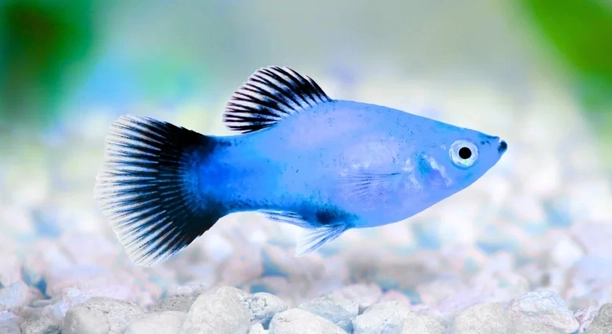
Platies are colorful, friendly fish that brighten any aquarium. Many owners enjoy watching their playful behavior but want them to be even more interactive and social with other fish and people. Helping platies become social can improve their overall well-being.
Making your platy more social involves providing a calm environment, consistent feeding times, and appropriate tank mates. Regular gentle interaction and ensuring adequate space also encourage social behaviors, while maintaining water quality supports their health and activity levels.
These simple steps can create a welcoming atmosphere for your platy to thrive socially and interact comfortably within its home.
Create a Calm and Stable Environment
Platies feel more comfortable in tanks that are quiet and stable. Sudden loud noises or frequent movement near the aquarium can make them nervous and less likely to socialize. Keeping the tank in a low-traffic area of your home helps reduce stress. Temperature and water conditions should also remain steady. Fluctuations in temperature or water chemistry can upset your platy’s balance and behavior. Use a reliable heater and filter to maintain consistent conditions. Adding plants and hiding spots gives your platy places to relax when feeling shy. A calm environment encourages your fish to explore and interact more with others and even with you.
Avoid placing the tank where it receives direct sunlight or near loud appliances. These factors increase stress and reduce social activity in platies.
Maintaining a peaceful environment is one of the best ways to help your platy feel safe. When they feel secure, they show more curiosity and social behaviors. It also supports their health, which is necessary for active interaction. Adding plants and decorations not only improves the tank’s look but also gives your platy a sense of security. Gradual changes are best; sudden moves or cleaning can disturb their routine and make them hide. The right environment sets the foundation for social and happy platies.
Offer Consistent Feeding Times
Regular feeding times help platies learn to expect food and feel comfortable around you. Feeding your fish at the same times daily builds trust. This routine encourages your platy to come closer during feeding, increasing chances for social interaction. Avoid overfeeding, which can harm their health and tank quality. A balanced diet of flakes, pellets, and occasional live or frozen foods will keep them healthy and active. Keeping feeding predictable and moderate promotes social behavior and helps your platy bond with their environment.
Consistent feeding routines make platies more responsive to their owners and other fish in the tank. This improves their social engagement overall.
Choose Compatible Tank Mates
Platies get along well with peaceful fish that share similar water needs. Avoid aggressive or overly active species that might stress them. Good tank mates include guppies, mollies, and small tetras. Compatibility encourages social interaction without fear or competition.
Keeping platies with calm fish reduces stress and promotes group swimming and social behavior. Aggressive fish may bully platies, causing them to hide or become withdrawn. Matching fish by size and temperament creates a harmonious tank environment. When fish feel safe with their neighbors, they tend to explore and interact more freely. Introduce new tank mates slowly to monitor reactions and avoid sudden changes.
A community tank with compatible species can increase your platy’s chances of being social. They learn from each other and enjoy the presence of companions. A well-planned mix encourages natural behaviors and enriches their lives.
Interact Gently and Regularly
Spending time near the tank helps platies get used to your presence. Talking softly and moving slowly near the aquarium reduces their fear. Hand-feeding treats occasionally builds trust and encourages them to approach you.
Regular, gentle interaction helps platies recognize you as part of their environment. They may swim closer and even follow your finger along the glass. Avoid tapping or sudden movements, which can scare them. Patience is important; it can take days or weeks for your fish to warm up to you.
By creating positive associations with your presence, your platy will become more social and confident. This interaction benefits both you and your fish, making the aquarium experience more enjoyable. Consistency and calmness are key to building this connection over time.
Provide Enough Space
Platies need enough room to swim freely and interact with each other. Overcrowded tanks cause stress and reduce social behavior. A minimum of 10 gallons per platy is recommended for a healthy social environment.
More space allows platies to explore and find their own spots, encouraging natural social interactions. Crowding often leads to hiding or aggression, which limits their ability to be social and active.
Maintain Good Water Quality
Clean water is essential for platies to stay healthy and active. Regular water changes and good filtration keep the tank environment stable. Poor water quality causes stress, which reduces social behaviors.
Keeping the water clean supports your platy’s immune system and energy. Healthy fish are more likely to explore and engage with others in the tank, making socialization easier and more frequent.
Use Plants and Decorations
Adding live plants and decorations gives platies places to hide and explore. This variety encourages natural behavior and makes the tank more interesting for your fish.
Platies feel safer and more confident when they have spots to retreat to, which supports their social activity around the tank.
FAQ
How can I tell if my platy is social?
Social platies tend to swim together, explore the tank actively, and respond to their owners’ presence. They often follow each other and show curiosity rather than hiding. When your platy comes near during feeding or swims toward you, it’s a good sign they feel comfortable and social.
Why is my platy hiding all the time?
Hiding can happen when platies feel stressed or unsafe. Poor water quality, sudden changes in the environment, or aggressive tank mates often cause hiding. Ensuring a calm environment, compatible companions, and clean water can reduce hiding behavior and encourage socializing.
Can platies recognize their owners?
Platies can learn to recognize the person who feeds and interacts with them regularly. With consistent gentle interaction, they may swim closer or follow your finger along the glass. This recognition builds trust and helps increase social behavior.
How many platies should I keep together?
A group of at least three to five platies is ideal. They feel more secure and show natural social behavior in groups. Smaller numbers may cause loneliness, while overcrowding leads to stress. Always keep the tank size in mind when adding fish.
Is it okay to keep platies with other fish species?
Yes, but only peaceful, similarly sized fish with compatible water needs. Good tank mates include guppies, mollies, and small tetras. Avoid aggressive or very large fish that may bully or stress platies. Properly chosen companions encourage social behavior.
What kind of food helps promote social behavior?
A balanced diet of flakes or pellets with occasional live or frozen foods keeps platies healthy and active. Healthy fish are more likely to explore and interact. Feeding small amounts consistently rather than overfeeding supports better social behavior.
How often should I clean the tank?
Regular water changes of about 20-30% every one to two weeks help maintain water quality. Clean filters and avoid sudden large changes. Good water quality reduces stress and supports social and active platies.
Do plants really help platies be more social?
Yes, plants provide hiding spots and areas to explore. This makes platies feel safe and confident. Feeling secure allows them to be more active and social. Live plants also improve water quality by absorbing nitrates.
Can stress affect my platy’s social behavior?
Stress from poor water quality, overcrowding, or loud noises reduces social interaction. Stressed platies hide or become inactive. Keeping a stable environment and good tank conditions helps minimize stress and encourages social behavior.
Is it normal for platies to be shy at first?
Yes, platies can be shy when introduced to a new tank or owner. With time, gentle interaction, and a calm environment, they become more confident and social. Patience is important when helping platies adjust.
How do I introduce new platies to my tank?
Introduce new platies slowly to avoid stress. Quarantine new fish if possible to prevent disease. Add them during quiet times and monitor their behavior closely. Gradual introduction helps maintain harmony and encourages social behavior.
Can platies live happily alone?
Platies are social fish and do better in groups. Keeping one platy alone may cause loneliness and reduce activity. A small group allows natural social behaviors and makes the fish more lively and interactive.
Final Thoughts
Helping your platy become more social takes time and patience. The right environment, gentle interaction, and good care are all important parts of encouraging social behavior. When your platy feels safe and comfortable, it is more likely to explore the tank, swim with other fish, and even respond to you. This makes watching your aquarium more enjoyable and rewarding. Simple steps like keeping the water clean, providing enough space, and choosing compatible tank mates create a healthy setting for your fish to thrive.
Consistency plays a big role in making your platy social. Feeding at regular times and spending time near the tank helps your fish learn to trust you. Over time, they will recognize your presence and may swim closer during feeding or when you are nearby. This kind of interaction strengthens the bond between you and your platy, while also encouraging it to be more active and social with others in the tank. Avoid sudden changes or rough handling, as these can cause stress and make your platy hide or stay quiet.
Finally, remember that every platy is different. Some are naturally more outgoing, while others take longer to warm up to new environments and people. Paying attention to your fish’s behavior and making small adjustments will help create the best conditions for socializing. By keeping a calm tank environment, providing places to hide, and maintaining good water quality, you support your platy’s health and happiness. With care and patience, your platy will grow more social, active, and a pleasant presence in your home.

Hello,
If you enjoy the content that we create, please consider saying a "Thank You!" by leaving a tip.
Every little bit helps us continue crafting quality advice that supports the health, happiness, and well-being of pets around the world, for pets of all shapes, sizes, and species.
We really appreciate the kindness and support that you show us!