
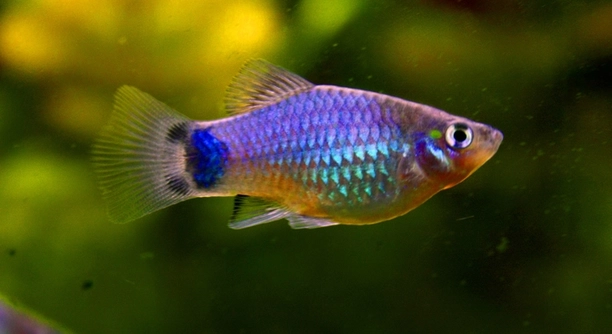
Platies are popular aquarium fish known for their bright colors and peaceful nature. Proper lighting is essential for their health and behavior. However, certain lighting mistakes can cause stress and harm to these small fish.
Incorrect lighting intensity or duration is a leading cause of stress in platies. Too much light can overwhelm them, while too little can disrupt their natural rhythms. Maintaining a balanced and consistent lighting schedule supports their well-being.
Knowing which lighting errors to avoid will help you create a comfortable environment for your platies and keep them healthy and happy.
Too Bright Lighting
Lighting that is too bright can easily stress out platies. These fish come from environments with moderate light, so intense lighting in an aquarium may feel overwhelming. When the tank light is too strong, platies often hide more and show less activity. Their colors may fade, which is a sign of discomfort. It’s important to find a balance that mimics natural conditions but does not flood the tank with light. Using dimmable lights or placing the aquarium away from direct sunlight can help reduce brightness. Observing how your platies behave can guide you in adjusting the light levels. If they spend most of their time hiding or near plants, the lighting might be too harsh. Gradually adjusting the intensity allows the fish to adapt without added stress. A calm and steady environment makes a big difference in their overall health and happiness.
Platies do best with moderate, diffused light. Avoid using very bright LED lights without adjustment options.
Keeping the lighting gentle creates a peaceful atmosphere where platies feel secure. This encourages natural swimming and feeding behavior, helping them stay healthy and vibrant.
Inconsistent Lighting Schedule
Platies rely on a regular day-night cycle to regulate their biological rhythms. When lighting schedules change frequently or lights are left on too long, it can confuse their internal clocks. This leads to stress, reduced appetite, and weaker immune responses. It’s important to keep a consistent lighting schedule to support their natural behavior.
Setting a timer for your aquarium light helps maintain steady cycles of about 10 to 12 hours of light daily. This routine simulates natural daylight patterns. Sudden changes in lighting times or leaving lights on overnight can disrupt their sleep and activity. Platies may become lethargic or show signs of stress if the schedule is unpredictable. A stable routine also benefits live plants in the tank, which contribute to water quality and provide shelter. Consistent lighting helps keep the environment balanced, promoting better health for your platies and making tank maintenance easier for you.
Using the Wrong Type of Light
Not all lights are suitable for platies. Avoid lights that emit too much heat or have an unnatural color spectrum. Standard daylight-spectrum LED or fluorescent lights are best for freshwater tanks. These lights support fish health and plant growth without causing discomfort.
Using lights with the wrong spectrum can affect how platies see their environment and how they behave. For example, lights that are too blue or red may make them uneasy or disrupt their feeding habits. A natural light spectrum mimics daylight and helps fish maintain normal activity. Some aquarium lights are designed specifically for freshwater fish and include settings that balance brightness and color temperature. Investing in the right lighting can improve the tank’s overall environment, making it more comfortable for platies. Proper lighting also enhances the natural colors of the fish, making your aquarium more attractive and vibrant.
Heat-producing lights can raise water temperature, stressing platies. Cooler, energy-efficient lighting options reduce this risk and help maintain stable conditions. Switching to LED lights is a practical choice for both energy savings and fish health.
Ignoring Natural Light Cycles
Platies benefit from light schedules that imitate their natural habitat. Ignoring this can disrupt their internal clocks and cause stress. Consistent day-night cycles are essential for their well-being.
Natural light cycles regulate platies’ feeding, resting, and breeding behaviors. Without proper cycles, fish may become lethargic or overly active at unusual times, which can lead to health issues. Even indoor tanks near windows need supplemental lighting that follows a regular schedule, especially during shorter daylight months. Maintaining a consistent light period of about 10 to 12 hours daily helps stabilize their behavior and reduces stress. Timers can automate this process, ensuring the fish get reliable day and night signals. Replicating natural rhythms is key to creating a healthy environment where platies thrive.
Overusing Colored Lights
Colored lights can look nice but too much can confuse platies. Bright, unnatural colors may cause stress or hide their natural coloring. Use colored lighting sparingly to avoid discomfort.
Many fish keepers use subtle blue or red lights during night viewing. This is fine if it’s limited and the main lighting remains natural. Avoid constant exposure to strong colored lights.
Placing Lights Too Close to the Tank
Lights positioned too close to the water surface can create hot spots and glare. This makes platies uncomfortable and may cause erratic behavior. Proper spacing reduces stress and helps maintain stable conditions.
Not Adjusting Lighting for Plant Growth
Ignoring the lighting needs of live plants affects the whole tank. Poor plant growth can reduce oxygen and shelter, impacting platies negatively. Adjust lighting to support both plants and fish for a balanced tank.
How long should aquarium lights be on for platies?
For platies, a consistent lighting schedule of 10 to 12 hours per day is ideal. This duration mimics their natural environment and helps regulate their biological rhythms. Keeping the lights on for too long can stress them out, while too little light might affect their activity and feeding habits. Using a timer is the easiest way to maintain this schedule reliably. A regular light cycle supports healthy behavior and encourages natural feeding and resting patterns in platies.
What type of light is best for a platy tank?
The best light for a platy tank is one that provides a natural daylight spectrum, usually around 6500 Kelvin. LED or fluorescent lights designed for freshwater aquariums are preferred. These lights do not emit too much heat and offer balanced color tones that promote fish health and plant growth. Avoid lights that produce extreme colors like bright red or blue for long periods, as they can cause stress or confuse the fish. A proper light spectrum also enhances the vibrant colors of platies.
Can too much light harm my platies?
Yes, too much light can harm platies by causing stress and disrupting their natural behaviors. Bright, intense lighting forces them to hide and can make them less active. It may also interfere with their sleep cycles, leading to fatigue and weaker immune systems. Additionally, excessive light can promote algae growth, which reduces water quality and can indirectly affect fish health. Keeping the lighting moderate and providing shaded areas with plants or decorations helps prevent these issues.
Is it necessary to use colored lighting in a platy aquarium?
Colored lighting is not necessary for platies and can sometimes cause more harm than good if overused. While some owners like using blue or red lights for aesthetic or night viewing purposes, these should be used sparingly and not as the main light source. Strong colored lights can confuse the fish and alter their perception of their environment. It’s better to focus on natural-spectrum lighting to support their well-being and natural colors.
How can I reduce stress caused by lighting in my platy tank?
To reduce stress from lighting, start by setting a consistent light schedule of about 10 to 12 hours per day. Use lights with a natural daylight spectrum and avoid overly bright or colored lights. Position the lights at an appropriate distance from the tank to avoid glare or heat spots. Adding live or artificial plants can provide shaded areas where platies can retreat if the light feels too strong. Watching your fish’s behavior will help you notice if they are hiding too much or showing signs of discomfort.
Should aquarium lights be turned off at night?
Yes, aquarium lights should be turned off at night to simulate a natural day-night cycle. Platies need a period of darkness to rest properly. Keeping lights on all the time can disrupt their sleep, causing stress and potential health problems. If you want to observe your tank at night, use a dim red or blue light for short periods, as these colors are less disturbing to the fish.
Does the presence of live plants affect lighting needs?
Live plants do affect lighting needs because they require enough light to photosynthesize and grow. If your tank has many live plants, the lighting should support both the plants and the fish. Plants help improve water quality and offer shelter for platies, so adjusting your lighting to meet both needs is important. This usually means having slightly stronger or longer lighting but still within a balanced schedule that avoids stressing the fish.
What are signs that my platies are stressed by lighting?
Signs of stress from lighting include platies hiding excessively, faded colors, erratic swimming, and reduced appetite. They may also become more lethargic or show unusual behavior like darting quickly from light to dark areas. If you notice these signs, reassess your lighting intensity and duration. Often, reducing brightness or shortening light periods helps the fish regain comfort.
Can improper lighting affect platy breeding?
Improper lighting can negatively impact platy breeding. A consistent and natural light cycle supports reproductive behavior and triggers mating rituals. Too much or too little light, or irregular schedules, can confuse the fish and reduce breeding activity. Keeping a stable, moderate light environment helps encourage healthy spawning and fry development.
Is direct sunlight good for a platy aquarium?
Direct sunlight is not recommended for platy aquariums. It can cause overheating, excessive algae growth, and unstable water conditions. Sunlight is difficult to control compared to aquarium lighting and can create hot spots that stress the fish. It’s better to place the tank away from windows or use curtains to limit direct sun exposure. Controlled artificial lighting provides a safer and more consistent environment for platies.
Proper lighting is essential for keeping platies healthy and comfortable in an aquarium. It influences their behavior, feeding, and overall well-being. By avoiding common lighting mistakes, such as using lights that are too bright or leaving lights on too long, you can create a stable environment that reduces stress. A balanced lighting schedule with the right intensity and color helps platies feel secure and encourages natural activity. Lighting that matches their natural habitat supports their health and keeps their colors bright.
Consistent lighting not only benefits the fish but also helps live plants grow, which improves the tank’s ecosystem. Plants provide hiding spots and contribute to water quality by producing oxygen and absorbing waste. Choosing the correct type of light and using timers to maintain a regular day-night cycle are practical steps to ensure both fish and plants thrive. Adjusting lighting according to the tank’s needs and paying attention to your platies’ behavior will help you catch any signs of discomfort early and make necessary changes.
Overall, lighting is more than just a way to see your aquarium clearly. It plays a vital role in the health and happiness of your platies. Taking time to understand their lighting needs and making small adjustments can prevent stress and keep your fish active and colorful. When lighting is done well, your platies will be more relaxed and enjoy their home, making your aquarium a pleasant and vibrant space.

Hello,
If you enjoy the content that we create, please consider saying a "Thank You!" by leaving a tip.
Every little bit helps us continue crafting quality advice that supports the health, happiness, and well-being of pets around the world, for pets of all shapes, sizes, and species.
We really appreciate the kindness and support that you show us!