
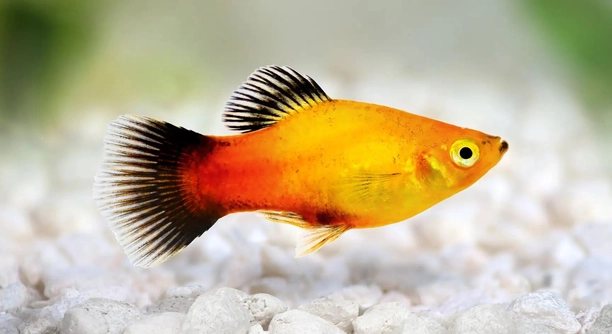
Platies are popular freshwater fish known for their peaceful nature and vibrant colors. Many aquarium owners enjoy keeping them with other species to create a lively tank environment. Understanding how platies interact with tank mates is important for a healthy aquarium.
Platies can become overwhelmed when housed with aggressive or overly active tank mates, which may cause stress and affect their behavior. Suitable, calm companions promote harmony, reducing the risk of intimidation or competition for resources.
Learning about the right tank mates for platies helps ensure a balanced and peaceful aquarium environment for all your fish.
How Platies React to Different Tank Mates
Platies are generally peaceful fish that prefer calm surroundings. When placed with aggressive or fast-moving tank mates, they may become stressed. This stress can show in hiding, loss of appetite, or erratic swimming. It’s important to choose tank mates that do not compete aggressively for food or space. Small, non-aggressive species like guppies or tetras usually get along well with platies. Avoid larger or territorial fish that could chase or nip at them. Stress weakens the immune system, making platies more prone to illness. Providing plenty of hiding spots and plants can help platies feel secure and reduce tension. Observing your fish daily helps you notice early signs of stress and adjust tank mates if necessary. A peaceful environment supports their natural behavior and promotes their health.
Choosing calm and compatible tank mates keeps platies comfortable and stress-free in their habitat.
Providing a balanced community tank allows platies to thrive alongside compatible species without fear or competition. Proper tank setup, including decorations and plants, creates safe spaces where platies can retreat if they feel overwhelmed. Monitoring interactions helps maintain harmony.
Signs That Platies Are Overwhelmed
When platies are overwhelmed, they often hide more than usual or stay near the bottom of the tank.
Stress in platies can also be seen through faded colors or sluggish behavior. In some cases, they may stop eating or act skittish around other fish. Aggressive tank mates cause repeated chasing, which exhausts platies and can lead to injury. Watching how your platies respond to their environment is crucial. Regular observation allows you to identify and address stress factors before they become serious problems. Keeping water conditions stable and feeding them properly also supports their well-being, making it easier for platies to cope with tank mates. Reducing overcrowding and providing adequate space can help alleviate their stress and restore natural behavior. Recognizing these signs early is key to maintaining a healthy aquarium for all fish involved.
Ideal Tank Mates for Platies
Platies do best with peaceful, small fish that share similar water needs. Compatible species reduce stress and create a balanced tank environment.
Guppies, mollies, and small tetras are excellent tank mates for platies. These fish have gentle temperaments and thrive in similar water conditions. Avoid aggressive or overly territorial fish, as they can stress platies and disrupt tank harmony. Providing plenty of plants and hiding spots helps all fish feel secure. It’s important to monitor behavior regularly and separate any fish causing trouble to maintain a calm environment. Keeping compatible species together promotes healthy interactions and reduces stress for platies.
Community tanks with well-matched species allow platies to swim freely and display natural behavior. With proper care and careful selection of tank mates, platies can live peacefully and thrive.
Managing Stress in Platies
Stress in platies can cause health issues and shorten their lifespan. Minimizing stress factors is essential for their well-being.
Stable water quality is key to reducing stress in platies. Regular water changes, proper filtration, and consistent temperature help maintain a healthy environment. Overcrowding should be avoided, as it increases competition and aggression. Providing hiding places, such as plants or decorations, gives platies safe areas to retreat. Feeding a balanced diet supports their immune system, making them more resilient. Careful selection of tank mates is crucial to prevent bullying or chasing. Observing fish behavior regularly helps identify stress early, allowing timely intervention. Reducing stress improves platies’ overall health and longevity.
Tank Size and Its Impact
A larger tank gives platies more space to avoid stress and conflicts with tank mates. Crowded tanks increase tension and reduce comfort.
Providing at least 20 gallons for a small group of platies allows them to swim freely and establish their own territories. Proper tank size is essential to maintain water quality and reduce aggression.
Feeding and Tank Mate Interaction
Feeding routines affect how platies interact with others. Overfeeding can cause competition and stress.
Feeding small amounts multiple times a day helps prevent aggressive behavior during feeding. Uneaten food should be removed to avoid water pollution and stress.
Common Mistakes to Avoid
Overcrowding and mixing incompatible species are common mistakes that overwhelm platies.
Careful planning and regular monitoring help create a peaceful environment where platies thrive.
FAQ
Do platies get stressed by all tank mates?
Not all tank mates stress platies. Peaceful fish with similar temperaments usually cause little to no stress. Problems arise when platies share the tank with aggressive, fast, or territorial fish. These types can chase or nip at platies, causing anxiety and hiding behavior. Calm species like guppies, mollies, and small tetras are typically safe companions. Each aquarium is different, so it’s important to watch how your fish interact and be ready to make changes if needed.
How can I tell if my platy is stressed?
Signs of stress in platies include hiding more than usual, faded colors, loss of appetite, and erratic swimming. They may also become lethargic or stay near the tank bottom. Stress weakens their immune system, increasing risk of disease. Watching your fish daily helps catch stress early. If you notice these behaviors, check the tank environment, water quality, and tank mates. Adjustments like adding plants or separating aggressive fish often reduce stress quickly.
What tank mates should I avoid with platies?
Avoid aggressive or territorial species such as cichlids, larger barbs, or fin-nippers. These fish may chase, nip, or bully platies, leading to injury and stress. Also, very active fish that outcompete platies for food can create tension. Large predatory fish are obviously unsafe. Stick to peaceful, small community fish that won’t intimidate your platies. Proper selection supports a calm tank environment and reduces the chance of conflict.
How many platies should be kept together?
Platies are social fish that do best in groups of at least three to five. Keeping a small group helps them feel secure and display natural behaviors. However, avoid overcrowding; a 20-gallon tank is a good minimum for a small group. Overcrowding increases stress and poor water quality. Balance the number of platies with other tank mates to keep enough space for all fish to thrive.
Does tank size affect platies’ stress levels?
Yes, tank size greatly impacts stress. Smaller tanks limit swimming space and increase competition for territory and food. Larger tanks provide room for fish to spread out and avoid each other when needed. This reduces conflicts and helps platies feel more comfortable. A minimum of 20 gallons is recommended for a small group, with extra space needed for additional species. Proper tank size supports both physical health and emotional well-being.
What role does tank decoration play in platies’ comfort?
Plants, rocks, and hiding spots help reduce platies’ stress by offering safe retreats. When they feel threatened or overwhelmed, platies will use these spaces to hide and calm down. Dense planting and decorations break up sight lines, preventing constant chasing or staring from other fish. Providing several hiding places throughout the tank promotes a peaceful atmosphere and improves overall fish health.
How often should I feed my platies?
Feeding platies small amounts two to three times a day is best. Frequent feeding helps prevent competition and aggressive behavior around food. Avoid overfeeding, as uneaten food can pollute the tank and stress the fish. A balanced diet with high-quality flakes or pellets supplemented by occasional live or frozen foods keeps platies healthy and vibrant.
Can platies live with shrimp or snails?
Yes, platies generally coexist peacefully with most snails and shrimp. These invertebrates occupy different tank zones and don’t compete for food or space. Shrimp and snails can even help keep the tank clean by eating leftover food and algae. Still, avoid aggressive platy tank mates that may harm smaller invertebrates. Adding snails or shrimp provides variety and balance in the aquarium.
What should I do if my platies are constantly hiding?
If platies hide excessively, it usually indicates stress or poor tank conditions. Check water parameters and ensure proper temperature, pH, and cleanliness. Observe tank mates for aggressive behavior and remove or separate any bullies. Increase hiding places with plants or decorations. Also, verify feeding routines and reduce overcrowding. With these changes, platies typically become more active and confident again.
Is it okay to mix male and female platies?
Yes, keeping males and females together is normal and encourages natural behavior. Females can give birth to live young, so be prepared for fry if both sexes are present. Too many males may cause stress by chasing females, so maintaining a balanced ratio helps reduce this. A typical recommendation is one male to two or three females to keep harmony.
How long does it take for platies to adjust to new tank mates?
Adjustment time varies but generally takes a few days to a couple of weeks. During this period, fish establish territories and get used to each other’s presence. Keep a close watch for signs of aggression or stress. Gradually introducing new fish and providing plenty of hiding spots can speed up the process. Patience is important to create a peaceful community.
Can water quality affect platies’ behavior with tank mates?
Poor water quality often increases stress and aggression. High ammonia, nitrite, or nitrate levels weaken fish and make them less tolerant of tank mates. Clean water supports healthier behavior and reduces conflict. Regular testing, water changes, and proper filtration are critical for a stable environment. Healthy water conditions help platies coexist peacefully with others.
Platies are generally peaceful fish that do well in calm, well-maintained tanks. Their behavior depends largely on the type of tank mates they live with and the environment around them. When placed with compatible species, platies tend to be active and social, showing little sign of stress. However, if housed with aggressive or overly active fish, they can become overwhelmed. This stress often shows through hiding, loss of appetite, or changes in swimming patterns. Understanding how platies react to their tank mates helps prevent these issues and promotes a healthier aquarium.
Maintaining good water quality and proper tank size is important for reducing stress in platies. Crowded or dirty tanks make fish more vulnerable to stress and illness. Providing enough space, plants, and decorations allows platies to establish their own territories and feel secure. A balanced diet and regular feeding schedule also support their health and reduce competition during mealtime. Observing the behavior of platies daily helps detect early signs of stress or aggression. If any problems arise, adjusting the tank setup or separating incompatible fish can quickly improve the situation.
Choosing the right tank mates and creating a peaceful environment is key to keeping platies comfortable and thriving. Fish like guppies, mollies, and small tetras often coexist well with platies because they share similar temperaments and water requirements. Avoiding aggressive or territorial species reduces the chance of bullying or chasing. With proper care, tank size, and thoughtful selection of companions, platies can live happily and show their natural colors and behaviors. This approach benefits both the fish and the enjoyment of the aquarium keeper.

Hello,
If you enjoy the content that we create, please consider saying a "Thank You!" by leaving a tip.
Every little bit helps us continue crafting quality advice that supports the health, happiness, and well-being of pets around the world, for pets of all shapes, sizes, and species.
We really appreciate the kindness and support that you show us!