
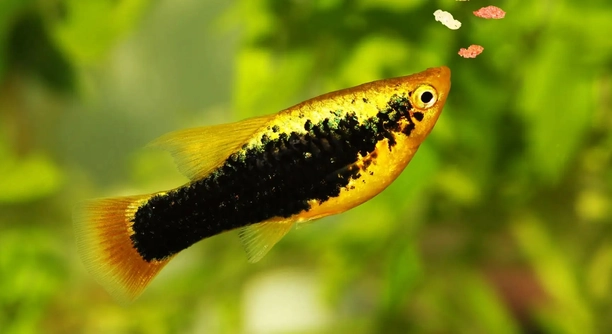
Platies are popular freshwater fish often kept in home aquariums. They are known for their bright colors and peaceful nature. Many owners notice that platies stay still after eating, which can seem unusual at first.
Platies tend to stay still after eating as a natural response to digestion. This behavior helps conserve energy while their bodies process food. Remaining motionless reduces stress and allows efficient nutrient absorption in their system.
Understanding this calm behavior can help fish owners better care for their platies. It shows a healthy, relaxed fish rather than a sign of illness or distress.
Why Platies Rest After Eating
After eating, platies often become still because their bodies need time to digest food properly. Like many animals, they use energy to break down what they’ve eaten. Moving around too much right after a meal can slow digestion or cause discomfort. Staying calm and motionless allows their digestive system to work efficiently. It also helps them avoid unnecessary stress, which could affect their health. In the wild, fish often hide or stay still after feeding to avoid predators while they are vulnerable. This natural behavior has carried over to aquarium life, where they instinctively rest after a meal even though they are safe. Observing your platies being still after eating is a good sign that they are healthy and their digestive process is working as it should.
This resting behavior is common among many fish species. It is simply part of their natural routine to support digestion and energy conservation.
Being aware of this pattern can help you understand your platies better. You will know when they are resting and not unwell, which can ease any worries about their health.
How to Support Your Platies’ Digestion
To help your platies digest food properly, it is important to feed them the right amount and type of food. Overfeeding can cause digestive problems and make them uncomfortable, which may lead to illness. Small, frequent meals are better than large, heavy ones because they are easier to process. Choose high-quality fish food designed for livebearers like platies, as it contains balanced nutrients they need. Maintaining good water quality is also essential, as poor water conditions can stress fish and impact their digestion. Make sure the tank temperature stays stable since platies are tropical fish and their metabolism depends on warmth. By creating a calm and healthy environment, you support their natural resting behavior after eating and help keep them active and healthy overall.
Signs Your Platies Are Healthy After Eating
Platies that stay still after eating usually show signs of good health. They have bright colors, clear eyes, and smooth fins. They breathe steadily and respond to movement around the tank.
A healthy platy’s behavior after eating is calm but alert. They rest quietly and don’t appear lethargic or stressed. Their appetite is consistent, and they return to normal swimming after digestion. These signs mean your fish are comfortable and their bodies are functioning well.
If your platy shows these behaviors regularly, it indicates a balanced diet and proper tank conditions. Pay attention to subtle changes, as they can signal health issues early. Keeping track of their eating and resting patterns helps ensure they stay in good shape.
Common Reasons Platies Might Not Move After Eating
Platies may remain still after eating due to digestion, but other factors can also affect their activity. Water temperature, tank cleanliness, and stress levels all play roles in their behavior. Cooler water slows metabolism, causing less movement. Dirty water increases stress and may make fish inactive.
Stress can come from overcrowding or aggressive tank mates. When stressed, platies conserve energy by resting more than usual. Feeding habits matter too; overfeeding can lead to bloating or constipation, making fish uncomfortable. Monitoring these factors helps prevent problems and keeps platies active and healthy after meals.
How Tank Conditions Affect Platy Activity
Clean water and stable temperature keep platies active. Poor water quality or sudden changes can cause them to become still or hide. Monitoring tank conditions regularly is important for their well-being.
A well-maintained aquarium supports natural behaviors. Good filtration and regular water changes reduce toxins and keep fish comfortable. Stable temperature helps maintain their metabolism and digestion.
Feeding Tips for Active Platies
Feed small portions to avoid overfeeding. Overfeeding can slow digestion and cause your platies to rest longer than usual. Choose high-quality food suited for livebearers for balanced nutrition.
When to Be Concerned About Platy Behavior
If platies stay still for long periods or show signs like clamped fins or rapid breathing, it may indicate illness. Immediate action is necessary to address health problems.
FAQ
Why do platies stay still after eating for so long?
Platies stay still after eating because their bodies focus energy on digestion. Moving around too much can interfere with this process. Digesting food takes time, especially after a larger meal, so resting helps them absorb nutrients better. This behavior is natural and helps protect them while they are temporarily less alert.
Is it normal for platies to stop eating suddenly and remain still?
A sudden stop in eating followed by stillness can be normal if they have just finished a meal and are digesting. However, if they refuse food over several days and stay inactive, it may signal illness, stress, or poor water conditions. Observing other signs like color changes or breathing patterns can help determine if action is needed.
Can overfeeding cause platies to become inactive?
Yes, overfeeding can lead to bloating or constipation, which causes discomfort and inactivity. When platies eat too much, their digestive system struggles to keep up, making them rest longer to recover. Feeding smaller amounts more frequently helps avoid this problem and keeps platies more energetic.
How does water temperature affect platy behavior after eating?
Water temperature greatly affects platy metabolism. If the water is too cool, digestion slows down, and platies become less active. Ideal temperatures around 72–78°F (22–26°C) help them digest food efficiently and maintain regular movement after eating. Sudden temperature changes can stress fish and cause unusual stillness.
Are platies more vulnerable to predators when they stay still after eating?
In the wild, platies stay still after eating to avoid drawing attention from predators, as movement can make them noticeable. This resting behavior helps them recover energy and digest safely. Although aquarium platies don’t face predators, this instinct remains and shows they feel secure enough to rest.
What signs indicate platies might be unhealthy instead of just resting?
If platies show clamped fins, faded colors, rapid or labored breathing, or loss of appetite, it may indicate health issues. Lethargy combined with these signs suggests illness or poor tank conditions. Early detection and treatment improve their chances of recovery.
How often should I feed my platies to prevent inactivity after meals?
Feeding small amounts once or twice a day is best. Overfeeding leads to digestive problems, while underfeeding can cause weakness. Balanced feeding supports digestion and keeps platies active. Watching their appetite and adjusting portions as needed helps maintain their health.
Does tank size influence how much platies move after eating?
Yes, a cramped tank may stress platies, causing less movement overall, including after eating. Providing enough space encourages natural activity and reduces stress. A larger tank with hiding spots lets them rest comfortably and swim freely once digestion is complete.
Can changing the type of food help platies stay more active after meals?
Switching to high-quality, easily digestible food can improve digestion and reduce resting time. Foods formulated for livebearers supply proper nutrients and avoid digestive strain. Occasionally varying their diet with fresh vegetables or frozen options can also support health and activity.
When should I test my aquarium water to ensure my platies are healthy?
Regular water testing should happen at least once a week. Monitoring parameters like ammonia, nitrite, nitrate, and pH helps prevent toxic buildup. Clean, stable water keeps platies comfortable and supports normal behavior after eating. Immediate testing is necessary if fish show signs of stress or illness.
Platies resting after eating is a normal and natural behavior. It shows that their bodies are focusing on digestion, which requires energy and calmness. Just like many other animals, platies need time to break down their food and absorb nutrients properly. This period of stillness helps them stay comfortable and avoid stress. When you see your platies staying still after a meal, it usually means they are healthy and their digestive system is working well. It is important to understand this behavior so you don’t mistake it for illness or weakness.
Taking care of your platies means paying attention to their environment and feeding habits. Keeping the aquarium clean and maintaining a stable temperature helps them feel safe and supports their natural routines. Overfeeding or poor water conditions can cause health problems and change their normal behavior. Feeding small amounts of good-quality food and ensuring the tank is well-maintained will help your platies digest better and stay more active throughout the day. Watching how your fish behave after eating can give you clues about their health and comfort. If they rest quietly and look bright and alert afterward, it is a good sign that everything is fine.
If you ever notice unusual signs like long periods of inactivity, clamped fins, or rapid breathing, it might mean something is wrong. These changes can be caused by illness, stress, or poor water quality. Acting quickly to check water parameters and adjust care can prevent serious problems. Overall, understanding why platies stay still after eating helps you provide better care for your fish. It allows you to create a healthy environment where they can thrive and show their natural behaviors. This knowledge makes it easier to enjoy watching your platies grow and stay healthy in your aquarium.

Hello,
If you enjoy the content that we create, please consider saying a "Thank You!" by leaving a tip.
Every little bit helps us continue crafting quality advice that supports the health, happiness, and well-being of pets around the world, for pets of all shapes, sizes, and species.
We really appreciate the kindness and support that you show us!