
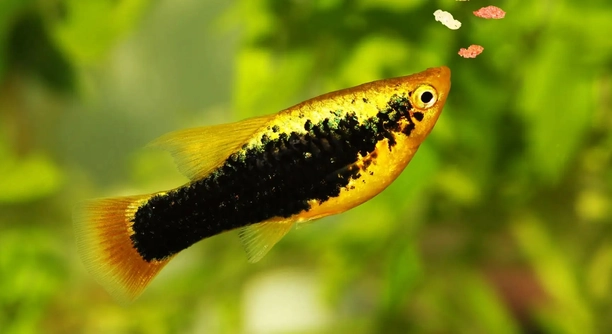
Overbreeding in platies can quickly become a challenge for many aquarium owners. These small, colorful fish reproduce fast and often, which can lead to overcrowding and health concerns in the tank. Managing their population is important for a balanced aquatic environment.
Effective handling of overbreeding in platies involves controlling their environment, separating males and females, and using tank management techniques to prevent overcrowding. Proper care ensures the health of both adult fish and their offspring, maintaining a stable community.
This article outlines practical strategies to help you keep your platy population under control and maintain a healthy tank environment.
Understanding Platy Breeding Habits
Platies are livebearers, which means they give birth to fully formed baby fish instead of laying eggs. They mature quickly and can reproduce every four to six weeks under ideal conditions. Male platies are persistent when courting females, so even one male can lead to a rapid increase in fry (baby fish). Since platies are hardy and adaptable, they often thrive and multiply without much effort from their owner. However, without managing their breeding, tanks can become overcrowded, leading to stress and disease among the fish. Overcrowding also reduces water quality, making the environment unhealthy for all inhabitants. Recognizing how frequently platies breed helps in planning steps to control their population effectively.
Platy breeding happens year-round if water conditions remain stable. Temperature and diet can influence how often females produce fry.
Managing these factors plays a key role in slowing down overbreeding and keeping your tank healthy and balanced.
Separating Males and Females
Separating males from females is one of the most direct ways to control breeding. Since males constantly chase females to mate, keeping them apart prevents unwanted fry. This can be done by using separate tanks or dividing the main tank with a clear barrier. Another option is to keep only one gender in the community tank, which eliminates breeding but may affect social behavior. When separating fish, make sure both groups have enough space, hiding spots, and proper care. This reduces stress and maintains healthy fish, even if breeding stops. While separating fish requires extra effort, it is an effective and humane method to manage platy populations without resorting to other interventions. This technique also helps you enjoy watching your fish without the concern of overcrowding.
Use of Fish Traps and Breeding Boxes
Fish traps or breeding boxes can help control platy fry numbers by isolating newborns from adult fish. These devices protect the fry from being eaten and give you control over how many survive.
Breeding boxes fit inside the main tank and allow female platies to release fry safely. Once inside, fry can grow without the risk of adults eating them. After a few weeks, you can decide how many to keep or move to another tank. Using traps reduces accidental overpopulation and lets you monitor the health of the young fish closely. It also prevents overcrowding in the main tank and helps maintain water quality.
Regularly checking the traps is important. Remove excess fry to avoid overstocking, and clean the boxes to keep the environment safe. This method takes some effort but provides excellent control over breeding outcomes.
Adjusting Feeding and Tank Conditions
Feeding platies less frequently or in smaller amounts can slow down breeding. Excess food encourages breeding by providing extra energy and better conditions for fry survival. Reducing feeding slightly limits this effect while keeping fish healthy.
Adjusting water temperature also influences breeding rates. Lowering the temperature by a few degrees slows down the metabolic rate of platies, reducing the frequency of births. Keep the temperature within a safe range for your fish, avoiding stress or illness. Regular water changes and proper filtration improve tank quality and discourage excessive breeding. Clean water helps adult platies stay healthy but can slow fry growth if food is limited. Managing these environmental factors helps balance population growth naturally without harsh measures.
Selective Removal of Fry
Removing excess fry is a practical way to control overbreeding. This helps keep tank populations stable and prevents overcrowding.
You can relocate fry to another tank or give them to other hobbyists. This method requires regular monitoring but effectively manages numbers without harming adult fish.
Introducing Natural Predators
Some fish species eat platy fry, which helps control their population naturally. Species like larger tetras or corydoras can reduce fry numbers without causing major issues in the tank.
Choosing compatible predators requires care to maintain harmony and avoid stressing other fish. Natural predation balances the ecosystem but should be managed responsibly to prevent over-predation.
Managing Tank Size and Stocking Levels
Providing enough space and limiting the total number of fish reduces stress and controls population growth. Overcrowded tanks encourage breeding due to constant contact between males and females.
Regularly evaluate your tank size and adjust stocking levels to maintain a healthy environment for your platies and other fish. This approach supports long-term tank stability.
FAQ
How fast do platies breed?
Platies can breed every four to six weeks under good conditions. Females give birth to live fry, often between 20 and 50 at a time. If the tank environment is warm and food is plentiful, breeding happens more frequently, which can lead to quick population growth.
Can I prevent platy breeding completely?
Yes, by keeping only males or only females in your tank, you can stop breeding. Separating the sexes or using breeding boxes helps prevent fry from being born. However, this means you won’t have baby fish, so it’s a choice between population control and natural breeding.
What should I do with extra fry?
Extra fry can be moved to another tank to grow or given to other hobbyists who want to raise them. You can also donate them to pet stores or schools. Removing excess fry prevents overcrowding and keeps the main tank healthier.
Do platies eat their own fry?
Yes, adult platies and other tank mates often eat fry. This is a natural way to control the population but can be frustrating if you want the babies to survive. Using breeding boxes or traps protects fry during their vulnerable early weeks.
How does water temperature affect breeding?
Higher water temperatures speed up platy metabolism and breeding cycles. Lowering the temperature slightly, while staying within safe limits (around 72°F to 76°F), can slow down breeding. Avoid sudden changes to prevent stress or illness.
Is overcrowding dangerous for platies?
Overcrowding causes stress, poor water quality, and increases disease risk. It can lead to aggressive behavior and poor growth. Keeping the population in check by managing breeding and tank size is essential for healthy fish.
What are the signs of overbreeding?
Signs include too many small fish, poor water clarity, and stressed or thin adult platies. You may notice more fights and less activity. Overbreeding strains tank resources and requires immediate action to avoid health problems.
Can diet control breeding?
Feeding platies less food or fewer treats can reduce breeding frequency. Excess food supports fast growth and reproduction, so controlling diet helps manage population without harming fish health. Always maintain a balanced diet.
Are there fish that naturally control platy fry?
Yes, some peaceful species like larger tetras or corydoras eat fry. Introducing them can help keep fry numbers down naturally, but make sure they’re compatible with your tank setup and other fish.
Is it safe to use chemicals to stop breeding?
Using chemicals to control breeding is not recommended. They can harm fish and disrupt tank balance. It’s better to use physical methods like separation, traps, or adjusting environmental factors to manage population safely.
Managing overbreeding in platies requires attention and consistent effort. These fish are known for their fast reproduction, so it is easy for their numbers to grow quickly in a home aquarium. Without control, overcrowding can cause stress, poor water quality, and illness for the fish. Taking steps to limit breeding helps keep your tank balanced and your platies healthy. Whether you choose to separate males and females, use breeding boxes, or adjust feeding and temperature, the goal is to create a stable environment that supports all the fish living there.
It is important to find a method that works for you and fits your tank setup. Some approaches, like removing fry or adding natural predators, may require more work but offer good control over population size. Others, such as managing tank size or separating fish by gender, can be simpler to maintain. Every tank is different, so observing your fish and understanding their behavior is key. Regular tank maintenance and monitoring water conditions also help reduce the risk of overbreeding and other problems. A healthy tank with clean water and proper care allows platies to live longer and be more active.
Remember that controlling overbreeding is not about stopping nature but about balance. Platies will continue to reproduce as long as conditions allow, so managing their numbers helps avoid overcrowding and stress. Over time, these efforts lead to a more enjoyable and sustainable aquarium experience. Your fish will thrive in a well-maintained tank, and you can take satisfaction in knowing you are providing a safe home. With patience and consistent care, handling overbreeding in platies becomes a manageable part of fishkeeping.

Hello,
If you enjoy the content that we create, please consider saying a "Thank You!" by leaving a tip.
Every little bit helps us continue crafting quality advice that supports the health, happiness, and well-being of pets around the world, for pets of all shapes, sizes, and species.
We really appreciate the kindness and support that you show us!