
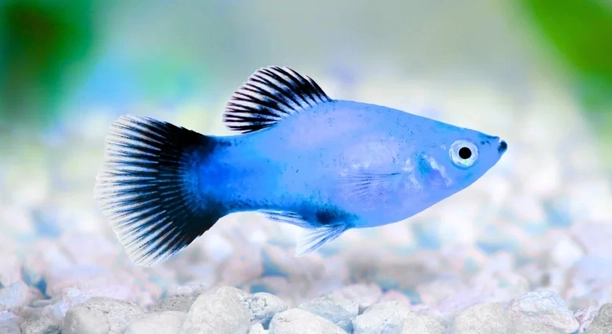
Have you ever noticed your platy spending more time alone than usual and wondered if something might be wrong with its behavior?
Platies are social fish and can feel stressed or lonely when kept without companions of their own kind. Being in a group supports their natural behavior, reduces anxiety, and encourages active swimming and interaction.
Even in peaceful aquariums, the absence of a group can change how your platy acts, eats, and moves through its space.
Why Platies Prefer Companionship
Platies are naturally social fish that thrive in small groups. In the wild, they live in shoals for safety and comfort, constantly swimming together and interacting with one another. When kept alone, a platy may become less active and more anxious. These signs often include hiding, loss of appetite, or dull coloring. Keeping at least three to five platies together is ideal, especially in a well-maintained tank that provides enough space for swimming and hiding. A peaceful environment helps reduce stress and promotes healthier behavior. Group living also allows them to express natural social behaviors, such as following each other around or swimming in synchrony. Their overall well-being depends on companionship, and isolation can quickly lead to behavioral and health issues. While platies are hardy fish, their need for interaction should not be overlooked when setting up a suitable aquarium. It makes a real difference in their quality of life.
A solo platy may still survive, but it will not show the same level of activity or comfort as those in a group.
Including a few tank mates encourages playful behavior and supports a balanced social structure, making your aquarium a more lively and healthy space for all.
Signs Your Platy Might Be Lonely
Changes in behavior can be the first sign. You might notice your platy hiding more often, swimming less, or even ignoring food.
When a platy is lonely, its behavior may shift in subtle but noticeable ways. A once-active fish may start lingering near the corners or hiding behind plants for long periods. It might eat less or show little interest in exploring its surroundings. In some cases, it may seem more skittish or sensitive to movement. These signs often stem from social stress or lack of stimulation. A lonely platy may also become more prone to health issues because of increased stress levels. It’s important to observe any changes in swimming patterns, appetite, or energy. These signals may indicate the need to add more platies or compatible fish to the tank. A more active, social setup can quickly improve their condition and return their behavior to normal. Regular care and attention to their needs go a long way.
How Tank Conditions Affect Social Behavior
A stressful tank can affect how platies interact. Poor water quality, limited space, or harsh lighting can cause them to withdraw, even if they’re not alone.
Platies need clean, stable water to stay active and social. Ammonia spikes, low oxygen levels, or inconsistent temperatures may cause them to become sluggish or hide more often. A cramped tank also limits swimming space and can lead to territorial disputes or avoidance. Even things like strong currents or too much noise around the tank can make a difference. When the environment feels unsafe or uncomfortable, platies are less likely to engage with others, no matter how many fish are present. Keeping their tank well-maintained helps them feel at ease and behave more naturally. Simple steps like regular water changes, a proper filter, and a few hiding spots can create a more balanced space where your platies feel safe and social.
Lighting, layout, and tankmates also influence how your platies behave. Bright, harsh lights can cause stress and discourage open swimming. Choose softer lighting and include plants or decorations to create shaded areas. This encourages platies to explore more confidently. The layout should allow for hiding spaces without making the tank feel too cluttered. Tankmates should be peaceful and not overly active, as aggressive or fast-swimming fish may intimidate platies. Good companions include mollies, guppies, or other small, calm fish. When the environment is calm and secure, platies show their full personalities—playful, curious, and interactive. Paying attention to these details helps create a healthier, more active aquarium and keeps your platies from feeling isolated, even in a shared tank.
Best Group Size and Tank Setup
Keeping platies in groups of at least three helps prevent loneliness. More is often better, as long as the tank size and filtration can support the population.
A 10-gallon tank is suitable for a small group, but anything over five platies will need more space. Aim for at least two gallons of water per fish, giving them enough room to swim freely. A rectangular tank works better than a tall one because platies like horizontal swimming space. Add a mix of open areas and plants or decorations for hiding. Keep the water temperature between 72°F and 78°F and maintain stable parameters. A gentle filter is best, as platies don’t like strong currents. Avoid overcrowding, which can lead to stress and lower water quality. A well-balanced tank setup encourages natural behaviors and reduces the chance of social stress, giving your platies the group comfort they need without overwhelming the system.
Common Mistakes to Avoid
One common mistake is keeping a single platy in a tank without companions. Even if the water conditions are perfect, isolation can still affect their behavior and health over time.
Another issue is mixing platies with aggressive or fast-moving fish. These tankmates can cause stress, leading your platy to hide or become less active.
What to Do if Your Platy Seems Lonely
If your platy seems withdrawn or less active, consider adding more platies to the tank. A small group can quickly improve its mood and behavior. Start by checking your tank size and water parameters to make sure they can support more fish. Introduce new tankmates slowly and watch for signs of stress. It also helps to rearrange tank decorations slightly before adding new fish—this can reduce territorial behavior. Choose fish that match your platy’s peaceful nature. Even adding just two or three more platies can make a noticeable difference. Keep monitoring their activity and appetite, as improvements often happen gradually but steadily.
Male-to-Female Ratio Matters
Keep one male for every two or three females. This reduces mating stress and helps create a more balanced, peaceful group.
FAQ
Can platies live alone?
Platies can live alone, but they usually don’t do well that way. While they may survive, they often become less active and more withdrawn. Platies are social by nature and thrive best when kept with others of their kind. A solo platy might hide more, show less interest in food, or stop exploring the tank. These are signs of stress or loneliness. If you’re keeping just one platy, you may not see its full personality. Adding more platies helps encourage natural behaviors like swimming together and interacting. Even two or three companions can make a big difference.
How many platies should be kept together?
A group of at least three platies is recommended, though five or more is often better. This allows them to form a social group and interact more naturally. A larger group also helps balance out any occasional chasing or mild aggression that might happen, especially from males. Always make sure your tank is big enough to support the number of fish. A 10-gallon tank works for up to five platies, but a 20-gallon or larger tank is better for more space and stability. With enough room and clean water, platies are lively and active when kept in groups.
Can platies get depressed?
Fish do not experience emotions the same way people do, but they do show signs of stress and behavioral changes that can look similar to depression. A platy that is lonely or uncomfortable may become less active, stop eating, or hide often. These signs may indicate social stress or poor environmental conditions. While we can’t say they get “depressed” in a human sense, they do need mental and physical stimulation. Providing companionship, clean water, and a well-set-up tank helps support their well-being. Platies that are comfortable and social tend to be more colorful, active, and responsive to their surroundings.
Do female platies need other females?
Yes, female platies benefit from being kept with other females. Having at least two or three females together helps create a balanced group and reduces stress from male attention if there’s a male present. In mixed groups, males can sometimes become too persistent in trying to mate. This can wear out a single female. Having more females helps spread out the attention and keeps the group calmer. Even in all-female tanks, platies enjoy each other’s company. They still show playful swimming and group behaviors. Keeping multiple females together supports a healthier and more natural environment for them.
Can platies bond with other types of fish?
Platies can get along with other peaceful community fish, but they don’t form close bonds outside their own species. You might see them swimming near guppies, mollies, or tetras, but their strongest social behavior happens with other platies. Mixing them with aggressive or very fast fish is not a good idea. These tankmates can stress platies out and cause them to hide or become less social. If you want a lively but peaceful tank, choose tankmates with similar size, temperament, and swimming habits. This helps platies feel more secure and active, even if they’re not in a group of only platies.
What happens if I add a new platy to an established group?
Adding a new platy to an existing group can work well if done correctly. Start by making sure your tank has enough space and that water conditions are stable. Quarantine the new fish for a short period if possible. When introducing the new platy, rearrange tank decorations to disrupt any established territories. This helps prevent aggression. Watch their interactions closely for the first day or two. Some light chasing may happen, but it should settle quickly. If the group is already balanced and your tank isn’t overcrowded, the new platy should adjust and start swimming with the others soon.
Final Thoughts
Platies are peaceful, active fish that enjoy living in small groups. While they can survive on their own, they usually don’t thrive when kept alone. Their behavior often changes in isolation, and they may become less active, more withdrawn, or show signs of stress. Because they are social by nature, having companions of the same species helps them feel safe and comfortable in their environment. A group of three or more platies encourages natural behaviors like swimming together and exploring the tank. This not only makes them healthier but also brings more life to your aquarium.
Tank setup also plays an important role in keeping platies happy. Clean water, proper lighting, and a peaceful environment are just as important as social interaction. Even in a group, a poorly maintained tank can cause platies to become stressed or inactive. It’s helpful to check on water quality regularly, avoid overcrowding, and choose calm tankmates. Adding plants and decorations gives them places to hide and explore, which helps them feel secure. A thoughtful setup encourages more active behavior and better health overall. It doesn’t need to be complicated—just consistent care and attention to their basic needs go a long way.
If your platy seems lonely or less active, small changes can make a big difference. Adding a few more platies, making sure the male-to-female ratio is balanced, or adjusting tank conditions can all help improve their behavior and well-being. Observing their daily habits will tell you a lot about how they feel in their environment. When they are active, swimming freely, and showing interest in their surroundings, it’s a good sign they’re comfortable. Keeping platies is simple, but their need for social interaction is something that should not be overlooked. With the right setup and a few companions, platies can stay healthy, happy, and full of life.

Hello,
If you enjoy the content that we create, please consider saying a "Thank You!" by leaving a tip.
Every little bit helps us continue crafting quality advice that supports the health, happiness, and well-being of pets around the world, for pets of all shapes, sizes, and species.
We really appreciate the kindness and support that you show us!