
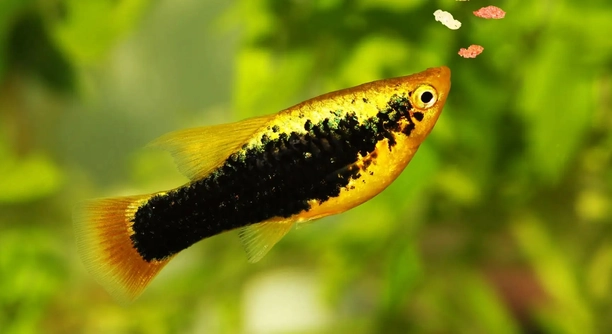
Platies are small freshwater fish often kept in home aquariums. Many owners enjoy watching their lively behavior and social interactions. Understanding how these fish organize themselves can improve the care they receive.
Platies can form a social pecking order within their groups. This hierarchy helps reduce conflicts and establish dominance among individuals. Social ranking influences feeding priority, territorial behavior, and overall group dynamics in captive environments.
Recognizing these social structures can help aquarium owners create a peaceful and balanced community tank for their platies.
How Platies Establish Their Social Hierarchy
Platies use subtle behaviors to establish a pecking order within their group. These include chasing, nipping, and posturing. Dominant fish often display bolder colors and swim more confidently. Subordinate fish tend to avoid confrontation and stay on the edges of the tank. Over time, the hierarchy becomes clearer as some platies consistently assert control while others submit. This order helps reduce constant fighting and stress in the aquarium, allowing fish to coexist more peacefully. Understanding these signs can help you notice changes in behavior that may signal shifts in dominance or health issues. It also gives insight into how space and resources should be managed within the tank to avoid unnecessary aggression. Keeping an eye on these interactions supports a healthier and calmer environment for your platies.
The social hierarchy stabilizes within a few weeks after introducing new fish. It plays a key role in their day-to-day interactions.
Being aware of this natural order can improve how you arrange your tank and care for your platies. Providing hiding spots and balanced feeding helps reduce tension and supports all fish in the community. It also minimizes aggressive behaviors that can lead to injury or stress. Creating a stable environment where dominance is clear but not harmful is essential for the long-term well-being of your platies.
Signs of Dominance and Submission in Platies
Dominant platies often take the best feeding spots and swim openly in the tank center. They may chase other fish briefly but rarely cause serious harm. Submissive platies stay near plants or decorations and avoid confrontations. Observing these behaviors helps identify the social order and detect any potential problems early. It’s important to recognize when aggression escalates beyond normal dominance displays, as this can stress fish and impact their health.
Some signs of excessive dominance include repeated chasing, fin nipping, and hiding. When this happens, it may be necessary to adjust the tank setup or introduce more space and hiding places. In some cases, reducing the number of aggressive fish or adding more companions to spread out social pressure can help. Keeping a balanced ratio of males to females also reduces competition. Monitoring your platies regularly allows you to maintain harmony and prevent bullying within the group.
Managing Aggression in Platy Communities
Aggression in platy groups is usually mild but can become problematic if ignored. It often arises from competition for food or territory.
To manage aggression, make sure the tank has plenty of space and hiding spots. Plants, rocks, and decorations help fish escape and reduce stress. Feeding multiple spots at once prevents dominant fish from blocking access to food. Also, keep a balanced number of males and females, as too many males can increase fighting. Sometimes, adding more fish spreads social pressure and lowers aggression, but overcrowding should be avoided. Monitoring behavior regularly allows quick action if aggression worsens.
In some cases, aggressive individuals may need to be separated or relocated. Careful observation helps maintain a peaceful environment for all platies to thrive.
Effects of Social Order on Feeding and Growth
Dominant platies usually eat first and get the best food, which can lead to uneven growth in the tank. Subordinate fish might eat less or get pushed away, affecting their health. Providing food in multiple locations helps ensure everyone has a chance to eat properly. Slow feeders benefit from smaller, frequent meals. Monitoring weight and behavior can highlight if any fish are struggling.
Social stress from dominance can also impact growth and immune health. Fish under constant pressure often have weaker immune responses, making them more prone to illness. Creating a calm environment with enough space and resources supports better health for all fish. Keeping an eye on social dynamics helps prevent long-term problems caused by unequal access to food and stress. Adjusting tank conditions based on these observations improves the overall well-being of your platies.
Recognizing Stress in Platies
Stress in platies often shows through changes in behavior, such as hiding more or losing appetite. Color fading and frayed fins are also common signs. Early recognition helps prevent health decline.
Maintaining clean water and reducing aggression are key to lowering stress levels. A peaceful environment supports their natural behavior and wellbeing.
Adjusting Tank Conditions to Support Social Balance
Changing tank conditions can help maintain harmony among platies. Increasing hiding spots and providing plants create safe zones for submissive fish. Reducing lighting or adding gentle water flow can also calm fish and reduce aggressive tendencies. Regular water changes and stable temperature keep fish healthy and less prone to stress. Adjusting the number of males versus females influences social dynamics. Observing fish closely after changes ensures the environment meets their needs. These adjustments help support a balanced social order and overall aquarium health.
The Role of Tank Size in Social Behavior
Tank size directly impacts platies’ social interactions. Larger tanks reduce territorial conflicts and provide space for each fish to establish its own area. Smaller tanks can increase stress and aggression due to limited space and hiding spots. Choosing the right tank size is essential for a peaceful community.
FAQ
Can platies live peacefully with other fish species?
Platies are generally peaceful and can coexist with many other non-aggressive fish species. Ideal tank mates include guppies, mollies, and tetras. It’s important to avoid larger or highly aggressive fish that might bully or stress platies. Compatibility depends on similar water conditions and temperaments. Proper tank size and hiding places also help reduce conflicts when mixing species.
How many platies should be kept together?
A small group of at least six platies is recommended to help distribute social interactions. Keeping fewer fish may cause more intense dominance behavior since fewer competitors exist. A balanced ratio of males to females, ideally one male for every two or three females, reduces fighting and stress. Overcrowding should be avoided to prevent aggression and maintain water quality.
What causes sudden aggression among platies?
Sudden aggression often happens when new fish are introduced or when tank conditions change. Changes in temperature, water quality, or feeding schedules can stress fish, increasing territorial behavior. Mating seasons can also trigger more chasing and nipping as males compete for females. Observing and adjusting tank setup or environment helps manage sudden conflicts.
How can I tell if my platies are stressed?
Signs of stress include hiding frequently, loss of appetite, faded colors, and frayed fins. Stressed platies may also swim erratically or isolate themselves. Poor water quality and aggressive tank mates are common stress sources. Testing water parameters regularly and maintaining a calm environment supports their health.
Do platies need specific tank setups to support their social behavior?
Yes, a well-planted tank with ample hiding spots and open swimming areas helps reduce aggression and stress. Decorations like rocks and plants allow submissive fish to escape and avoid constant conflict. Proper filtration and regular water changes maintain water quality, essential for healthy social interactions.
Can platies recognize each other and remember social ranks?
Platies show consistent behavior toward specific individuals, suggesting they recognize each other and remember social status. Dominant fish maintain their position through repeated displays, and submissive fish adjust behavior accordingly. This memory helps keep the social hierarchy stable over time.
What should I do if one platy is bullying others?
If one fish consistently bullies others, consider adding more hiding places or rearranging the tank to disrupt established territories. Increasing the number of fish can diffuse aggression by spreading social pressure. In extreme cases, removing the aggressive individual may be necessary to protect the group’s wellbeing.
Are there differences in social behavior between male and female platies?
Male platies tend to be more territorial and competitive, especially when females are present. Females usually have a more peaceful role and avoid aggressive interactions. Keeping more females than males helps lower competition and create a balanced social structure.
How does breeding affect platy social dynamics?
During breeding, males become more active in chasing females and defending small territories. This can increase aggression temporarily. After mating, social behavior generally returns to normal. Providing extra hiding spots and a spacious tank can reduce stress during this period.
What are the best ways to introduce new platies to an existing group?
Introduce new platies slowly by quarantining them first to avoid disease. Rearranging tank decorations before adding newcomers helps reset territories. Adding several new fish at once prevents one from being singled out. Monitoring behavior closely after introduction helps address any aggression quickly.
How important is water quality for maintaining a social hierarchy?
Water quality greatly affects fish behavior. Poor conditions cause stress, which can disrupt social order and increase aggression. Regular water changes, proper filtration, and stable temperature keep platies healthy and help maintain a calm social environment.
Can platies recover from social stress?
Yes, platies can recover if the stress source is removed. Improving tank conditions, reducing aggression, and providing proper care help fish regain health and normal behavior. Recovery time varies depending on the severity of stress and individual fish.
Is it normal for dominant platies to chase others?
Mild chasing is normal as part of establishing and maintaining social rank. It rarely causes serious harm and helps keep the group organized. However, excessive chasing or injury signs indicate a problem that should be addressed by adjusting the tank setup or group composition.
Do platies form lifelong social bonds?
Platies do not form lifelong bonds like some animals, but they recognize familiar individuals and maintain stable relationships within their social hierarchy. These relationships help reduce conflicts and support group cohesion.
How does tank decoration impact platy social behavior?
Decorations break up sight lines and provide escape routes, which reduces stress and aggression. A well-decorated tank allows submissive fish to avoid dominant ones more easily and supports a peaceful social order. Sparse or empty tanks often increase territorial disputes and stress.
Platies are social fish that naturally form a pecking order within their groups. This social structure helps reduce constant fighting and makes it easier for the fish to live together peacefully. Understanding that platies have this hierarchy can improve how you care for them. It explains why some fish may act more boldly while others stay in the background. Recognizing these behaviors helps you create an environment that supports the natural social order and keeps stress low. It also helps you identify when aggression is normal or when it needs to be managed to protect the health of all fish.
Creating the right environment is key to supporting platies’ social needs. A tank with enough space, hiding places, and plants allows subordinate fish to avoid dominant ones when needed. Feeding in multiple spots ensures all fish have access to food without competition. Maintaining good water quality and stable conditions also plays an important role in keeping platies calm and healthy. When the social balance is respected, aggression is less likely to cause problems. Regular observation of your fish’s behavior will help you spot changes early and take steps to keep the group peaceful and healthy.
Overall, caring for platies means understanding their social nature and adjusting the tank to meet those needs. With proper space, decorations, and attention to social dynamics, platies can thrive in a community setting. Being aware of their pecking order gives you insight into their behavior and helps you provide a better home. This knowledge supports both the wellbeing of the fish and a more enjoyable experience for you as an owner. When platies feel secure and balanced, they display their natural beauty and lively personalities, making the aquarium a pleasant space for everyone.

Hello,
If you enjoy the content that we create, please consider saying a "Thank You!" by leaving a tip.
Every little bit helps us continue crafting quality advice that supports the health, happiness, and well-being of pets around the world, for pets of all shapes, sizes, and species.
We really appreciate the kindness and support that you show us!