
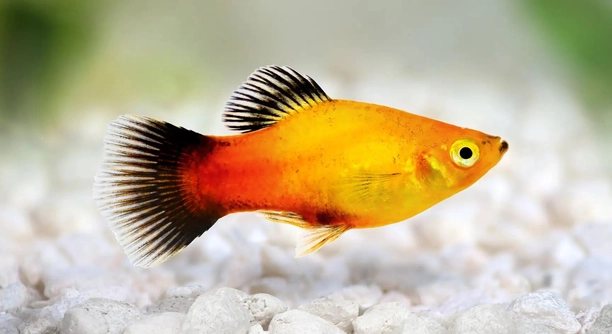
Have you ever changed your platy’s food and noticed something different about their behavior or appearance not long after?
Changing a platy’s diet can affect its digestion, color, energy levels, and overall health. Sudden shifts in nutrition may cause stress or illness, while a gradual transition with quality food supports long-term well-being and stability.
A better understanding of how dietary changes affect platys can help you keep them healthy, happy, and thriving in your home aquarium.
How Diet Affects a Platy’s Health
A platy’s health depends heavily on what it eats each day. A balanced diet supports its immune system, promotes strong colors, and encourages active behavior. If the food lacks proper nutrients, a platy may become sluggish, pale, or more prone to illness. Sudden changes in diet can upset their digestive system, sometimes leading to bloating or constipation. High-quality flake food is usually a good base, but adding variety like blanched vegetables or occasional protein-rich treats helps meet all their needs. If you feed your platy too much, or give it poor-quality food, waste builds up and affects the tank environment too. Always introduce new foods slowly to give their body time to adjust.
Stick to small portions twice a day and watch how your platy reacts. Their behavior and appearance often reflect how well they’re doing.
A healthy diet keeps your platy looking bright and swimming actively. Good nutrition shows in every part of their body.
Signs Your Platy Isn’t Adapting Well
Watch for changes in swimming, appetite, or color. If something feels off after switching foods, it probably is.
If your platy stops eating or hides more than usual, the new food may not be sitting well with them. Overfeeding protein can cause bloating, while too many plant-based flakes might lead to slower movement. In some cases, you might notice stringy waste or swelling near the belly. These are signs their digestion isn’t working properly. Some platys can be picky and reject certain foods altogether. It’s best to introduce new items gradually over several days, mixing them with familiar food. This prevents shock to their system. Also, make sure you aren’t changing multiple factors at once—like temperature or lighting—while changing the diet, as this can confuse the cause of any changes in behavior. Keep track of what you feed them and how they respond. Adjust as needed, and always remove uneaten food to avoid polluting the water.
Best Foods to Include in a Balanced Diet
A platy’s diet should include flakes as a base, supported by blanched vegetables and small amounts of protein. Balanced feeding helps prevent health issues and keeps their colors bright. Variety is key to long-term health.
Flakes made specifically for tropical fish give platys essential vitamins and nutrients. Choose options with spirulina or high protein content for better energy and color. Supplement these with small pieces of zucchini, spinach, or peas a few times a week. Freeze-dried or live foods like brine shrimp or daphnia can be added once or twice weekly for extra protein. This mix keeps their digestion steady and boosts overall health. Feed only what they can finish in a couple of minutes to avoid waste. Store food properly to keep it fresh and effective. Using a rotation of different foods also keeps them interested and encourages strong eating habits.
Feeding younger platys may require extra attention. Juveniles grow quickly and benefit from more frequent meals with higher protein. Crushed flakes and baby brine shrimp are ideal during this stage. As they mature, you can reduce the frequency and introduce more plant content. Too much protein for adults can cause bloating, so balance matters. Observe their behavior and growth to adjust the portions and types of food as needed. When introducing vegetables, blanch them lightly so they’re easy to chew. Remove uneaten pieces after feeding to keep the tank clean. A thoughtful feeding routine helps your platys stay strong, active, and vibrant every day.
How to Switch a Platy’s Diet Safely
Change their food slowly over five to seven days. Mix small amounts of the new food with their current food to help their body adjust. Sudden changes may upset their digestion or cause them to stop eating.
Watch their behavior and appearance during the transition. If they seem less active, eat less, or show signs of bloating, slow the process down. Always remove uneaten food quickly to prevent water quality issues in the tank.
How Often to Feed Platys
Feed adult platys twice a day in small portions they can finish within two to three minutes. Overfeeding leads to water issues and can cause bloating or stress. Young platys may need to be fed three times daily with a focus on protein-rich foods. Keep a consistent schedule to support their health.
Foods to Avoid
Avoid feeding platys bread, processed meat, or anything with seasoning. These can cause bloating, poor digestion, and long-term health problems.
FAQ
Can I feed my platy only flakes?
Yes, but flakes alone may not meet all nutritional needs in the long term. They are a good base, especially if labeled for tropical fish and rich in nutrients. However, adding occasional vegetables and protein-rich foods helps balance the diet. This improves digestion, energy, and color. Relying solely on flakes might cause boredom and minor health issues over time, especially if the flakes are poor quality or stored improperly. Use flakes as the foundation, and mix in variety two to three times per week for better results.
How often should I give my platy vegetables?
Blanched vegetables can be offered two to three times a week. Choose soft vegetables like zucchini, spinach, cucumber, or shelled peas. Always blanch them lightly to soften, cut them into small pieces, and remove leftovers after a few hours to avoid tank waste. Vegetables support healthy digestion and are a good plant-based source of nutrients. Overfeeding vegetables isn’t common, but it’s still important to offer them in small amounts. Use them alongside flakes and protein treats for a balanced diet.
What happens if I feed my platy too much protein?
Too much protein, especially in adult platys, can lead to bloating, constipation, or fatty buildup. While young platys need more protein during their growth stages, adult platys benefit from a diet that balances both plant and animal matter. High-protein foods like brine shrimp and bloodworms should be fed just once or twice weekly. Signs of overfeeding protein include sluggish behavior, trouble swimming, or a swollen belly. Adjusting the diet and increasing plant content usually helps.
Do platys get bored of eating the same food?
Yes, they can lose interest in food that lacks variety. If they start ignoring flakes or eat more slowly, they might need a change. Rotating different types of food not only keeps meals interesting but also covers a wider range of nutrients. Try switching between quality flakes, vegetables, and occasional live or freeze-dried treats. Watch their response to each food to find what they enjoy and tolerate best.
Can poor diet affect a platy’s color?
Yes, a poor diet often leads to faded colors or patchy appearance. Nutrition directly impacts pigmentation and overall body condition. Foods with color enhancers like spirulina, carotenoids, or krill can help deepen natural hues. Without proper nutrients, platys may look dull or stressed. A balanced diet rich in both plant and protein sources helps maintain their natural shine.
Is fasting a platy once a week helpful?
Yes, fasting your platy one day a week gives their digestive system a break. It helps prevent constipation and reduces leftover waste in the tank. Healthy platys can handle short fasts without issue. Just ensure they eat well on other days and observe their behavior to make sure they stay active.
How do I know if a new food is working well?
If your platy is eating with interest, staying active, and showing strong coloration, the food is likely a good fit. Also, look for regular, healthy waste and no signs of bloating. If they start refusing food or appear less active, take a step back and try a different approach.
Can I use goldfish flakes in an emergency?
Only as a short-term solution. Goldfish flakes lack some nutrients platys need and may contain too much filler. If you must use them, do so for a day or two until you can replace them with appropriate tropical fish flakes. Long-term use can lead to deficiencies or digestive issues.
Is live food safe for platys?
Yes, as long as it comes from a clean, trusted source. Live food like brine shrimp or daphnia can be nutritious and stimulating. Avoid wild-caught insects or worms, which may carry bacteria or parasites. Always rinse live food before feeding, and don’t overdo it—too much protein can be hard on their system.
What should I do if my platy refuses new food?
Try mixing a small amount with their usual food over several days. Platys sometimes take time to adjust. If they still refuse, remove the new food and wait a day before trying again. Avoid offering only one type until they eat, as this may stress them. Observe carefully and make gradual changes.
Final Thoughts
Changing your platy’s diet can be helpful, but it needs to be done slowly and with care. Sudden shifts in food may cause digestive problems, stress, or changes in behavior. A balanced mix of flakes, vegetables, and occasional protein supports long-term health. It’s important to watch your platy during any diet change. Small signs like loss of appetite, bloating, or staying near the bottom of the tank can tell you that something isn’t working. If this happens, adjust the food and slow down the transition. Give your platy time to adapt and return to normal habits.
Good nutrition plays a big role in how a platy looks and acts. When they get the right food, their colors become brighter, their energy levels go up, and they interact more with their environment. Feeding them a variety of safe, clean, and properly prepared foods keeps them interested and healthy. Too much of any one thing, even something healthy, can throw off the balance. That’s why portion control and food variety are both important. Feeding them twice a day in small amounts is usually enough. Watch how much they eat in a few minutes and remove leftovers. This helps keep the water clean and reduces stress.
Each platy is a little different, so you might need to make small changes based on how yours reacts. What works well for one fish may not be ideal for another. Keep track of what you feed and how they respond. This makes it easier to spot patterns or problems early. If you stay consistent, offer variety, and watch your fish closely, you’ll help them stay strong and active. In the end, feeding your platy well is not complicated—it just takes attention and a bit of patience. The small steps you take with their diet can make a big difference in their overall well-being.

Hello,
If you enjoy the content that we create, please consider saying a "Thank You!" by leaving a tip.
Every little bit helps us continue crafting quality advice that supports the health, happiness, and well-being of pets around the world, for pets of all shapes, sizes, and species.
We really appreciate the kindness and support that you show us!