
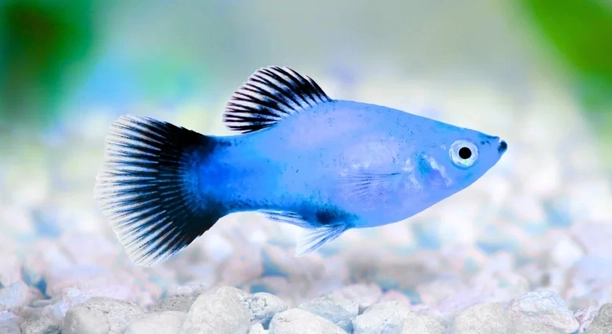
Platies and bettas are popular choices for home aquariums. Many fishkeepers want to create peaceful community tanks. Finding compatible species can make tank care easier and more enjoyable.
Platies and betta fry generally should not share a tank due to differences in behavior and potential aggression. Betta fry are delicate and may be stressed or harmed by active, fast-moving platies. Careful separation is recommended for better survival rates.
Understanding these interactions helps ensure healthier fish and a more balanced tank environment for everyone involved.
Differences in Behavior and Temperament
Platies are peaceful, active fish that enjoy swimming around the middle and upper parts of the tank. They are social and usually get along well with other calm species. Betta fry, on the other hand, are fragile and still developing. Bettas can be aggressive as they grow, especially males. Fry need a calm environment without too much competition for food or space. Platies tend to be faster swimmers and may unintentionally stress betta fry by chasing or crowding them. Stress can lead to poor health or death in young fish. Keeping these two together can create a stressful setting for the fry, reducing their chance of survival.
The difference in activity levels means bettas often need separate, quieter areas to grow safely.
Providing separate tanks or using barriers in a divided tank helps protect betta fry from unnecessary stress caused by more active tank mates like platies.
Tank Setup Considerations
Platies prefer well-planted tanks with open swimming areas.
When mixing species, tank size and hiding spots become very important. Bettas need calm spaces with plenty of plants or decorations to hide. Betta fry especially benefit from gentle water flow and minimal disturbance. Platies may disturb plants or explore all parts of the tank quickly, which can disrupt fry hiding places. Water quality must be carefully maintained because young bettas are sensitive to changes.
If you decide to keep platies and betta fry in the same tank, make sure the tank is large enough to give each fish its own space. Adding floating plants or breeding traps can help protect the fry. Regular monitoring is needed to catch signs of stress or aggression early. Often, keeping the betta fry separate until they are older is the safer choice to ensure healthy growth and reduce losses.
Feeding Habits and Nutrition
Platies are omnivores that eat flakes, pellets, and live foods, while betta fry require smaller, protein-rich meals.
Because betta fry are tiny and fragile, they need specially prepared foods like infusoria or finely crushed fry food. Platies eat more aggressively and may outcompete fry for food, causing betta fry to miss meals or become weak. Feeding multiple times a day in small amounts can help ensure both species get enough nutrition without overfeeding the tank.
It’s important to watch feeding closely when housing both together. Using feeding rings or target feeding can help direct food to betta fry and prevent platies from dominating mealtime. Adjusting diet and feeding habits can reduce stress and promote healthy growth for all fish involved.
Water Conditions and Maintenance
Stable water conditions are crucial for betta fry survival.
Both platies and bettas prefer similar temperatures around 76-80°F, but betta fry need very clean, well-filtered water with low current. Platies tolerate a wider range of conditions and higher bio-load, which can make maintaining perfect water quality harder. Frequent water changes are essential to keep ammonia and nitrates low, especially when fry are present.
Careful filtration setup is important to avoid sucking in or harming the tiny fry. Using sponge filters or gentle filtration helps maintain clean water without creating strong currents. Testing water parameters regularly ensures that both species remain healthy and stress-free, giving betta fry the best chance to grow strong alongside their tank mates.
Compatibility Risks
Platies and betta fry have different temperaments, which increases the chance of conflict.
Betta fry are vulnerable to nipping or chasing from platies, which can cause injury or stress, affecting their growth and survival.
Monitoring and Intervention
Constant observation is necessary when platies and betta fry share a tank.
If signs of stress, such as hiding or fin damage, appear in betta fry, immediate action is needed. Separating the fry or rearranging tank decor can reduce aggression and improve conditions.
Breeding and Growth Rates
Betta fry grow slower than platies and need more time in a protected environment to thrive.
Final Thoughts on Co-habitation
Mixing platies with betta fry requires careful planning and commitment to maintain peace and health in the tank.
Compatibility Risks
Platies and betta fry have different temperaments, which increases the chance of conflict.
Betta fry are vulnerable to nipping or chasing from platies, which can cause injury or stress, affecting their growth and survival.
Monitoring and Intervention
Constant observation is necessary when platies and betta fry share a tank.
If signs of stress, such as hiding or fin damage, appear in betta fry, immediate action is needed. Separating the fry or rearranging tank decor can reduce aggression and improve conditions.
Breeding and Growth Rates
Betta fry grow slower than platies and need more time in a protected environment to thrive.
Final Thoughts on Co-habitation
Mixing platies with betta fry requires careful planning and commitment to maintain peace and health in the tank.
When thinking about keeping platies and betta fry together, it’s important to understand that their needs and behaviors are quite different. Platies are active, social fish that swim around freely and often eat quickly. Betta fry, however, are much more fragile and need a calm, safe space to grow. Because of these differences, putting them together in one tank can cause stress for the betta fry. Stress can lead to illness or even death in young fish, which is something no fishkeeper wants to see. Careful thought and planning are needed to create an environment where both types of fish can live without harm.
If you decide to keep platies and betta fry in the same tank, you will need to pay close attention to their behavior and tank conditions. Providing plenty of hiding places and plants can help betta fry feel safe. Feeding habits also need to be managed so that betta fry get enough food without platies eating it all. Water quality must be kept at a high standard because young bettas are very sensitive to changes in their environment. Regular water testing, gentle filtration, and frequent water changes are necessary to keep both fish healthy. Watching how the fish interact and being ready to separate them if needed will give the best chance for success.
Overall, it is often safer and easier to keep betta fry separate from platies until the fry are older and stronger. Separate tanks or breeding boxes can protect the fry while they develop. Once they grow past the fragile stage and can handle more active tank mates, combining them becomes less risky. Understanding the differences in temperament, diet, and care needs helps avoid common problems and creates a better environment for all fish. With proper care and attention, both platies and betta fry can thrive, but keeping them apart during early stages is usually the best choice.

Hello,
If you enjoy the content that we create, please consider saying a "Thank You!" by leaving a tip.
Every little bit helps us continue crafting quality advice that supports the health, happiness, and well-being of pets around the world, for pets of all shapes, sizes, and species.
We really appreciate the kindness and support that you show us!