
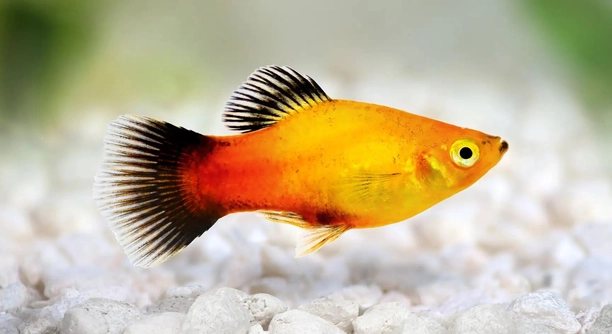
Platies are popular freshwater fish known for their peaceful nature. Many people keep them in home aquariums and enjoy watching their behavior. Understanding how they interact helps ensure a happy environment for these small fish.
Platies show signs of liking each other’s company through peaceful swimming together, sharing hiding spots, and gentle interactions without aggression. Social behaviors such as schooling and mutual grooming indicate positive relationships between them.
Recognizing these behaviors will help you create a more comfortable and healthy space for your platies to thrive.
Signs That Platies Enjoy Each Other’s Company
Platies that like each other tend to swim close without showing signs of stress or aggression. You’ll often see them resting near one another or exploring the tank together. They may share hiding spots peacefully and respond calmly when one approaches another. Their movements are smooth and relaxed, not jerky or rushed. When platies chase each other, it is usually gentle and part of their social interaction, not aggressive fighting. A calm and balanced tank environment encourages these positive behaviors. It is important to observe their body language, such as fins held relaxed and no flaring or biting. Feeding time is also a good moment to notice how they interact—if they eat side by side without disputes, it shows comfort and acceptance. Understanding these subtle signs can help you maintain a peaceful aquarium that supports their social needs.
Platies that enjoy each other’s company show calm, non-aggressive behavior and often stay near each other in the tank.
Creating a tank where platies feel safe is key. Providing enough space, plants, and hiding spots helps reduce stress. Proper water conditions and balanced feeding keep them healthy and more sociable. By observing how they behave during feeding and resting, you can learn a lot about their comfort levels. Keeping the environment stable and avoiding sudden changes also encourages friendly interactions. When platies have a stable space, their natural social behaviors will be more apparent, making it easier to tell if they like being together.
How to Encourage Positive Social Behavior Among Platies
To help platies get along, make sure the tank is large enough to avoid overcrowding. Overcrowding can lead to stress and aggression. Adding plenty of plants and decorations creates hiding places, giving fish a chance to escape if they feel threatened. This setup allows shy fish to relax and join social groups at their own pace. Maintaining clean water with regular changes improves their health and reduces irritability. Feeding a balanced diet at regular times supports their energy and reduces competition. It’s also helpful to keep a consistent group of platies, as mixing new fish too often can cause tension. Observing their interactions daily helps you spot any early signs of trouble. Small adjustments in tank setup and care routines can greatly improve their social harmony.
Understanding Platies’ Body Language
Platies use their fins and body movements to communicate. Relaxed fins and slow swimming mean they feel safe and comfortable. Sudden darting or flared fins usually signal stress or aggression.
Watching how platies position themselves helps understand their mood. When they swim side by side or follow each other calmly, it shows acceptance. If one platy nudges another gently, it can be a friendly gesture. However, rapid chasing or fin biting suggests conflict. These signs are subtle but important for knowing if your fish get along well.
It’s also key to notice how platies react when you approach the tank. Fish that like their environment and companions will stay calm and swim near the front. Nervous or unhappy fish may hide or move quickly away. Knowing these body language cues helps create a better home for your platies.
The Role of Tank Environment in Social Behavior
The tank setup greatly influences how platies behave with each other. Proper space, clean water, and hiding spots reduce stress and encourage peaceful interactions. Overcrowded tanks often cause fighting and tension. Plants and decorations create natural barriers and resting places, allowing platies to avoid conflicts. When fish feel secure, they are more likely to swim together calmly and show friendly behaviors. Regular water testing and maintenance keep the environment stable, preventing health issues that could make platies irritable. Feeding habits also affect social dynamics; enough food and consistent feeding times reduce competition and aggression during meals. Paying attention to the tank’s conditions helps your platies form stronger social bonds.
Common Social Behaviors Among Platies
Platies often swim together in small groups, showing a natural social bond. They also share hiding spots without conflict, which indicates comfort.
Gentle chasing or nudging can be playful, not aggressive. These interactions help them establish social order peacefully.
Recognizing Stress or Discomfort in Platies
When platies are stressed, they may hide more often or swim erratically. Flaring fins and chasing that looks harsh are signs of discomfort. Stress can result from poor water quality, overcrowding, or sudden changes. Identifying these signs early helps prevent more serious problems in the tank.
Tips for Introducing New Platies
Introducing new platies slowly and carefully helps reduce stress and aggression. Quarantine new fish first to avoid spreading illness.
How Group Size Affects Platies’ Behavior
Platies tend to do best in groups of at least three to five. Small groups encourage natural social behaviors, while too few can cause loneliness or aggression. Larger groups spread out aggression and create a balanced social environment. Keeping the right group size supports their well-being and peaceful interactions.
FAQ
How can I tell if my platies are happy together?
Happy platies swim calmly near each other without signs of stress or aggression. They share spaces and rest close by. You might see them swimming side by side or gently nudging each other. Their fins will be relaxed, not flared or clamped, and they won’t chase one another aggressively. Feeding time is a good chance to observe them eating peacefully. If they avoid each other or show constant chasing, it could mean they are uncomfortable or stressed.
What causes platies to fight or show aggression?
Aggression in platies often comes from overcrowding, poor water quality, or lack of hiding spots. When space is limited, fish feel threatened and compete for territory. Sudden changes in the tank or adding new fish without proper introduction can also cause stress and fighting. Male platies sometimes chase females, but constant chasing or fin biting means the environment isn’t balanced. Keeping the tank clean, properly stocked, and well-decorated helps reduce aggression.
Is it better to keep platies in groups or alone?
Platies are social fish and do better in groups of at least three to five. They feel safer and show more natural behaviors when with others. A group helps spread out any mild aggression and provides social stimulation. Keeping a single platy alone may lead to loneliness or stress, while overcrowding can cause fights. Finding the right balance in group size is key to a peaceful tank.
How do I introduce new platies to my tank?
Before adding new platies, quarantine them for at least two weeks to check for diseases. Introduce new fish slowly by floating their bag in the tank to equalize water temperature. Gradually mix small amounts of tank water into the bag before releasing them. Watch interactions closely during the first days to ensure no aggressive behavior. Adding new fish during feeding times can help reduce stress. Providing extra hiding spots also gives new arrivals places to feel safe.
Can platies recognize each other?
Platies likely recognize familiar tank mates through sight and smell. They tend to be calmer around fish they know well and may swim closer to them. New or unfamiliar fish often cause more tension until they get used to the group. Over time, platies form a loose social order where they accept each other’s presence peacefully.
What signs show that platies dislike each other?
Signs include constant chasing, fin biting, hiding, or one fish avoiding the others. Flared fins, rapid darting, and damaged fins are also warning signals. When platies are uncomfortable, they may become stressed, stop eating, or hide for long periods. Watching for these signs early lets you adjust the tank environment or separate aggressive fish before problems worsen.
How important is tank size for platies’ social behavior?
Tank size is very important. Platies need enough room to swim freely and establish their own spaces. A small or overcrowded tank leads to stress and increased aggression. Ideally, a 20-gallon tank or larger suits a small group of platies. More space means less competition and more hiding spots, which helps keep their social behavior peaceful and natural.
Do male and female platies get along well?
Male and female platies usually coexist peacefully, but males can sometimes chase females during breeding. This behavior is normal but should not be excessive. If females appear stressed or injured, consider adding more hiding spots or increasing group size to spread out attention. Balanced male-to-female ratios help reduce stress and keep harmony.
What role does diet play in platies’ social behavior?
Feeding quality food regularly helps maintain platies’ health and calm behavior. Hunger or competition for food can cause aggression. Feeding small amounts multiple times a day prevents fights at feeding time. Offering a varied diet including flakes, pellets, and occasional live food supports their energy and social interactions.
Can platies live with other fish peacefully?
Platies are peaceful and can live with other non-aggressive community fish. Suitable tank mates include tetras, guppies, and mollies. Avoid aggressive or much larger fish that might stress or harm them. Introducing new species slowly and watching interactions carefully ensures everyone stays safe and comfortable.
Platies are social fish that thrive when they have the right environment and companions. Watching how they interact with each other helps you understand if they enjoy each other’s company. When platies swim calmly side by side, share hiding spots, and do not show aggression, it is a good sign they are comfortable together. Giving them enough space, clean water, and places to hide supports their natural behavior. A peaceful tank makes it easier to notice these positive signs and keeps the fish healthy.
Creating a balanced group of platies is important. They do best in groups of three to five or more, so they can form social bonds and reduce stress. Too few platies can lead to loneliness or aggression, while overcrowding can cause fights. Observing their body language and actions daily helps spot any problems early. If you see chasing that looks harsh, flared fins, or fish hiding often, it may mean something needs to change. Adjusting tank conditions or group size can improve how they get along.
Taking care of platies also means paying attention to water quality, feeding, and tank setup. Regular water changes and testing keep the environment stable and safe. Feeding them a varied and balanced diet supports their health and calm behavior. Adding plants and decorations gives them places to rest and avoid conflict. When these factors are managed well, platies are more likely to show friendly behaviors and enjoy each other’s company. Keeping these points in mind will help your platies live peacefully and happily together.

Hello,
If you enjoy the content that we create, please consider saying a "Thank You!" by leaving a tip.
Every little bit helps us continue crafting quality advice that supports the health, happiness, and well-being of pets around the world, for pets of all shapes, sizes, and species.
We really appreciate the kindness and support that you show us!