
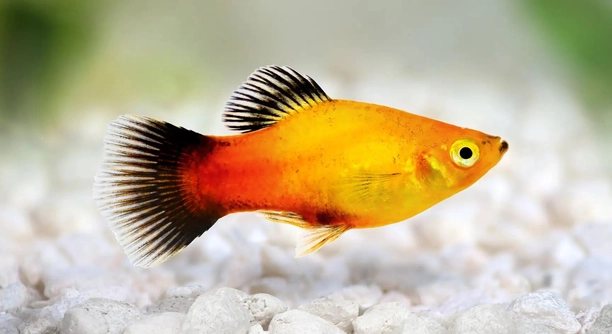
Platies are popular freshwater fish loved for their bright colors and easy care. Many fish owners enjoy feeding them a variety of foods. Understanding their eating habits helps keep these little swimmers healthy and happy.
Platies can develop preferences for certain foods, but true addiction, as seen in mammals, is unlikely. Their responses are mostly based on taste and nutrition rather than compulsive behavior. Feeding variety is important to prevent selective eating habits.
Knowing how platies react to different foods can improve their diet and overall well-being. This article will explore what influences their food preferences and how to maintain a balanced feeding routine.
What Causes Food Preferences in Platies?
Platies often show clear preferences for some foods over others. These preferences usually develop because of taste, smell, and texture. Some foods may appeal to them more because they resemble what they eat in the wild. For example, platies enjoy small live foods like brine shrimp or bloodworms because these mimic natural prey. Additionally, fish can learn from their environment. If they are regularly fed a certain type of food, they may come to prefer it simply because they are used to it. Temperature and water conditions can also influence how eager they are to eat. It is important to provide variety in their diet to avoid boredom or over-reliance on one food type. Offering a mix of flakes, pellets, and occasional live food helps keep them healthy and interested in mealtime.
Understanding these preferences helps maintain a balanced diet for platies, which supports their overall health.
Food preference in platies is a natural behavior driven mostly by sensory experiences and familiarity with their diet.
Signs of Food Addiction in Fish
Fish like platies do not experience addiction the same way humans do. However, they can show strong preferences that look like cravings. For example, if a platy refuses to eat anything but a favorite food, it might indicate an unbalanced diet. Overfeeding one type of food can cause nutritional problems and reduce appetite for other essential foods. Behavioral changes, such as swimming frantically when that food is near or ignoring other foods, may also appear. It is important to watch these signs and adjust feeding habits to ensure they receive a proper mix of nutrients. Variety in feeding helps prevent such narrow focus on a single food, supporting healthier fish behavior and long-term well-being. Regular observation of your platy’s eating habits allows for timely changes to maintain balance.
How to Prevent Food Fixation in Platies
Providing a varied diet is key to avoiding food fixation. Rotate between flakes, pellets, frozen, and live foods to keep meals interesting and balanced.
Offering different types of food not only meets nutritional needs but also keeps platies curious and engaged during feeding. When fish are given the same food repeatedly, they can lose interest or become too focused on that one option. Changing up the diet encourages natural foraging behaviors and prevents picky eating. It also reduces the risk of nutrient deficiencies that happen when fish rely on just one food type. Including vegetables like blanched spinach or zucchini can add fiber and vitamins. Keeping portions moderate helps avoid overfeeding and maintains appetite for all types of food.
Maintaining a feeding schedule and watching portion sizes are important to prevent overeating and reinforce healthy eating habits in platies.
Changing foods regularly and feeding smaller amounts supports long-term health and prevents platies from developing unhealthy eating habits.
Effects of an Unbalanced Diet on Platies
An unbalanced diet can cause health problems in platies, including poor growth and weakened immune systems. Nutrient deficiencies may make fish more vulnerable to disease and reduce their lifespan. If platies eat only one type of food, they may miss important vitamins or minerals. This can lead to dull coloration and less active behavior. Overfeeding certain foods, especially those high in fat or protein, can cause obesity and liver issues. Maintaining variety in their diet helps ensure they receive all the nutrients needed for good health. Observation is key; if a platy shows signs of lethargy or poor condition, diet should be evaluated and adjusted immediately. A balanced diet supports vibrant colors, strong immune defenses, and overall vitality.
Balanced nutrition is essential to keeping platies lively and healthy in a home aquarium.
Recognizing Healthy Eating Habits
Healthy platies show regular interest in a variety of foods and eat without hesitation. They should not ignore other available foods when offered.
If a platy only accepts one food type and rejects all others, it might be a sign of developing an unhealthy habit. This can indicate a need to adjust feeding routines and introduce more variety.
Best Foods to Feed Platies
A balanced diet for platies includes high-quality flakes or pellets as the base, supplemented with live or frozen foods like brine shrimp or daphnia. Occasional vegetables such as peas or spinach add fiber. This mix helps provide essential nutrients for growth, color, and health. Avoid overfeeding any one type of food to prevent digestive problems and maintain appetite. Feeding small amounts two to three times daily is ideal.
When to Consult a Specialist
If a platy shows persistent refusal of varied foods or signs of illness, it’s best to consult a vet or fish specialist. Early intervention helps address diet-related issues and promotes recovery.
FAQ
Can platies really get addicted to food?
Platies do not get addicted to food in the way humans do. What looks like addiction is usually a strong preference for a particular food because it tastes good or is familiar. Their brains are not wired for addiction but respond to sensory appeal and routine. If a platy only wants one food, it is likely because it has grown used to it or finds it easier to eat. This is why offering a varied diet is important, so they don’t develop picky eating habits or miss out on essential nutrients.
Why does my platy refuse to eat certain foods?
Fish can be picky for several reasons. Sometimes, new foods are unfamiliar and cause hesitation. Other times, water temperature or quality affects appetite. Platies may also avoid foods that don’t match their natural diet or that have an unusual texture or smell. It is helpful to introduce new foods slowly, mixing them with familiar ones. Also, make sure the food is fresh and suitable in size. If refusal continues, check water conditions and health, as sickness can reduce appetite.
How can I encourage my platy to eat a balanced diet?
The best way is to offer a mix of high-quality flakes or pellets along with live or frozen foods. Rotate these regularly to keep your fish interested. Adding small portions of blanched vegetables can improve nutrition. Feeding smaller amounts multiple times a day helps maintain appetite and prevents overfeeding. Watching your platy’s behavior during feeding helps spot preferences and adjust the diet if needed. Patience is key—fish can take time to accept new foods.
Is it okay to feed platies only flakes or pellets?
Feeding only flakes or pellets can meet basic nutritional needs if the product is high quality and designed for tropical fish. However, flakes alone may lack some nutrients and variety needed for optimal health. Including live, frozen, or vegetable options adds essential vitamins, minerals, and fiber. A varied diet supports better coloration, stronger immune systems, and natural foraging behaviors. So, while flakes and pellets are a good base, supplementing with other foods is best.
What happens if my platy eats too much of one food?
Eating too much of one food can lead to nutritional imbalances and health problems. For example, too many protein-rich live foods might cause digestive issues or obesity. Overfeeding fatty foods can stress the liver. When a fish refuses other foods, it might not get enough vitamins or fiber. This can result in dull colors, lethargy, and a weaker immune system. To avoid these issues, feed a variety of foods in moderation and observe how your platy reacts.
Can stress affect a platy’s eating habits?
Yes, stress can reduce appetite or cause erratic eating. Stress in fish comes from poor water quality, overcrowding, sudden changes in environment, or illness. A stressed platy might hide, swim less, or ignore food. To reduce stress, maintain clean water, keep stable temperature, avoid overcrowding, and provide hiding spots. Regular observation helps catch signs early. When stress is lowered, normal eating habits usually return.
How do I know if my platy’s diet is working?
A good diet results in bright colors, active swimming, healthy growth, and regular eating habits. Your platy should eagerly accept different foods and maintain a healthy weight. Clear eyes, smooth scales, and no signs of disease also indicate proper nutrition. If your fish seems lethargic, loses color, or refuses food often, reassess the diet and environment. Consistent monitoring helps you adjust feeding to keep your platy thriving.
Are there any foods I should avoid feeding my platy?
Avoid feeding platies human food, processed snacks, or foods that float too long and degrade water quality. Also, steer clear of foods that are too large or hard to digest, as these can cause choking or constipation. Some foods high in fats or artificial additives may harm their health over time. Stick to fish-specific flakes, pellets, and approved live or frozen options. Fresh vegetables like spinach or peas are safe in small amounts and offer added nutrition.
Can platies eat plant-based foods?
Yes, platies are omnivores and can benefit from some plant-based foods. Blanched vegetables such as spinach, zucchini, or peas provide fiber and vitamins. These help with digestion and keep the diet balanced. However, plant foods should be given in moderation alongside protein-rich options. Offering variety ensures your platy receives a wide range of nutrients to stay healthy and active.
How often should I feed my platies?
Feeding small amounts two to three times daily is ideal. This schedule mimics their natural grazing habits and prevents overfeeding. Avoid giving more food than they can eat in a few minutes. Leftover food can pollute the tank and harm water quality. Regular, moderate feedings support healthy digestion and maintain a stable appetite. Adjust amounts as your platy grows or during changes in temperature or activity levels.
Platies are small fish with simple needs, but their eating habits can sometimes seem complicated. It is normal for them to show preferences for certain foods, and this is mostly based on taste, smell, and familiarity. Unlike humans, platies do not get addicted to foods, but they can become picky if offered the same food too often. This is why feeding a variety of foods is important. Offering different types of flakes, pellets, live foods, and vegetables helps keep their diet balanced and interesting. A varied diet ensures platies get all the nutrients they need for good health, bright colors, and active behavior.
Watching how platies eat and behave during feeding times is helpful. If a platy refuses certain foods or only wants one type, it may be a sign to adjust the diet. Sometimes, changes in appetite can also be linked to stress, water quality, or illness, so it is important to monitor their environment as well. Avoid overfeeding and giving too much of one food, since this can cause health problems like obesity or digestive issues. Feeding smaller amounts multiple times a day and rotating foods can prevent these issues. With good care and attention, platies can thrive and enjoy a healthy life in the aquarium.
In summary, platies are not prone to food addiction but do benefit from a balanced and varied diet. Paying attention to their food preferences, feeding habits, and overall health will help keep them happy and lively. Feeding them properly supports their immune system, coloration, and energy levels. If problems arise, adjusting the diet and tank conditions usually helps. By understanding their basic nutritional needs and avoiding repetitive feeding routines, you create a better home for your platies. Consistent care and variety in feeding will keep your fish healthy for years to come.

Hello,
If you enjoy the content that we create, please consider saying a "Thank You!" by leaving a tip.
Every little bit helps us continue crafting quality advice that supports the health, happiness, and well-being of pets around the world, for pets of all shapes, sizes, and species.
We really appreciate the kindness and support that you show us!